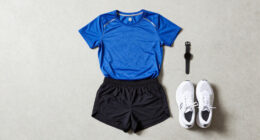

Choose athletic wear that lets you run comfortably, manages sweat, and suits the weather and route. This guide is for new and occasional runners who want a practical outfit without buying a full running wardrobe. You will learn how to select each layer, check fit and safety, and test the outfit before a longer run. Allow 15-30 minutes to get dressed and check your gear, plus 10-20 minutes for a short test run.

Get sports gear delivered free with Prime
- Fast, free delivery on millions of items
- Prime Video, Amazon Music and more included
- Member-only deals all year
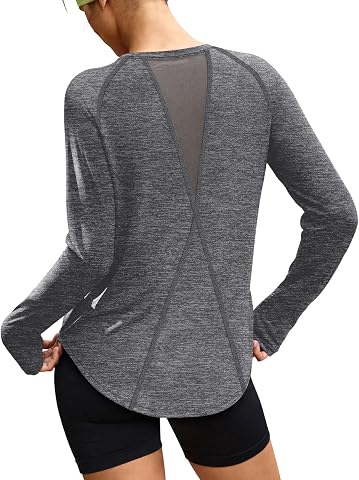
Women’s Long Sleeve Workout Top with Mesh Back
- ✔ Material: White: 86% polyester, 14% spandex; other colors: 95% polyester, 5% spandex
- ✔ Care: Machine wash
- ✔ Origin: Imported
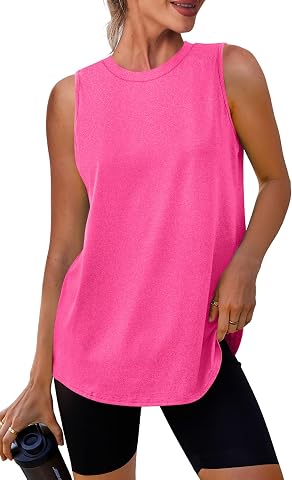
Women’s Lightweight Sleeveless Workout Tank Top – Loose Fit Athletic Shirt
- ✔ Fabric: 95% polyester, 5% spandex
- ✔ Care: Machine wash
- ✔ Closure: Pull-on

Women’s Long Sleeve Workout and Underscrub Shirt
- ✔ Fabric: 94% polyester, 6% spandex
- ✔ Care: Machine wash
- ✔ Origin: Imported
Difficulty: Beginner | Time: 15-30 minutes to choose and check an outfit; allow 10-20 minutes for a short test run
What You’ll Need
Tools & Materials:
- A running shirt and shorts, tights, or other comfortable bottoms
- Supportive sports bra, if needed
- Running shoes that fit your feet
- Socks that cover the areas where your shoes may rub
- Weather-appropriate layers
- Reflective or bright gear if running near traffic or in low light
Knowledge:
- A basic idea of the route and expected weather
- Awareness of any areas where clothing or shoes have caused rubbing before
Check the forecast for the time you plan to run, including wind and rain. Dress for the temperature you expect to feel after warming up; you may feel cool when you first step outside. Use clothing you already own if it is comfortable and allows free movement. Avoid cotton as your main layer for longer or sweaty runs because it can hold moisture against your skin.
Women’s Long Sleeve Workout Top with Mesh Back
For runners who want a long sleeve without giving up airflow, this is the most balanced option in the lineup. Its V-shaped mesh back panel addresses a common comfort tradeoff: sleeves provide more skin coverage than a tank, while the back panel is designed to let heat escape. The quick-drying, sweat-wicking stretch fabric adds useful basics for steady runs and workout days.Compared with the raglan long sleeve, this top makes ventilation more explicit through its mesh panel; the raglan model instead emphasizes seam comfort and movement. Compared with the sleeveless tank, it covers the arms and has a curved high-low hem for extra coverage, but will expose less skin to airflow. That makes it the most adaptable pick for runners who want one top for mixed conditions, though the description does not establish that it provides warmth in cold weather.There are two details to check before ordering: fabric composition varies by color, and the size chart matters for getting the intended fit. We also have no stated reflective trim or storage, so it is not a complete solution for low-light runs or carrying small essentials. Choose it for its combination of coverage and back ventilation, not for unlisted technical features.
Pros:
- V-shaped mesh back panel is designed to improve ventilation.
- Quick-drying, sweat-wicking stretch fabric suits active use.
- Long sleeves provide more coverage than the tank.
- Curved high-low hem adds coverage during movement.
Cons:
- Fabric blend changes by color.
- Sizing requires checking the size chart.
- No warmth rating, reflective details, or pockets are specified.
Best for: Runners who want long sleeves with added back ventilation for mild conditions and mixed workout use.
Not ideal for: Runners seeking a sleeveless feel, verified cold-weather insulation, reflective details, or pockets.
Bottom line: We rank this first for pairing long-sleeve coverage with the lineup’s clearest ventilation feature, while recognizing its missing fit and visibility details.
“We rank this first for pairing long-sleeve coverage with the lineup’s clearest ventilation feature, while recognizing its missing fit and visibility details.”
Women’s Lightweight Sleeveless Workout Tank Top – Loose Fit Athletic Shirt
When heat is the main concern, this tank has the most direct route to airflow in the group: a sleeveless cut and loose fit. Its polyester-spandex fabric is described as breathable, sweat-wicking, and quick-drying, while a high neckline provides coverage through the front. For warm-weather runs, that combination makes it a more natural choice than either long-sleeve shirt.The tradeoff is coverage. The mesh-back top preserves sleeves while adding ventilation at the back, and the raglan top offers a full-coverage layer; this tank keeps the arms uncovered and its loose cut does not provide compression support. Runners who prefer fabric close to the body or want sleeves for sun or temperature protection may find the mesh-back option more suitable.The listed details support a simple, airy workout top, not a technical running singlet with documented storage or visibility features. The synthetic blend may retain odors more than natural fibers, and the description does not give fit measurements. We would choose it for hot routes and easy layering, while checking the fit and planning another layer when conditions call for more coverage.
Pros:
- Sleeveless design exposes more skin to airflow.
- Lightweight fabric is described as breathable and sweat-wicking.
- Loose fit allows comfortable movement and layering.
- High neckline provides coverage during activity.
Cons:
- Loose fit does not provide compression support.
- Synthetic fabric may retain odors more than natural fibers.
- No pockets, reflective details, or sizing measurements are specified.
Best for: Runners who prioritize airflow and a relaxed fit on warm-weather routes or indoor runs.
Not ideal for: Runners who want compression, arm coverage, a close fit, or documented cold-weather and low-light features.
Bottom line: We recommend this tank for warm routes where airflow matters more than sleeve coverage or a supportive, close-to-body fit.
“We recommend this tank for warm routes where airflow matters more than sleeve coverage or a supportive, close-to-body fit.”
Women’s Long Sleeve Workout and Underscrub Shirt
This raglan long sleeve is the practical pick for runners who want a simple base layer that can move between a run and other activities. Its four-way stretch supports unrestricted movement, while raglan sleeves avoid a conventional shoulder seam placement and flatlock seams are designed to reduce friction. The lightweight, quick-drying fabric covers the arms without claiming substantial insulation.Against the mesh-back shirt, this model foregrounds seam comfort and mobility rather than targeted ventilation; the mesh option is a stronger choice if back airflow is your priority. Compared with the loose tank, the raglan gives more coverage and is easier to wear under a jacket, but it will feel less airy in warm weather. That broad-use role explains its lower rank for running: the features are useful, yet the description is less specific about ventilation than the mesh-backed alternative.We would not treat this as a proven cold-weather running top. No warmth rating or fit measurements are provided, and the product’s underscrub use signals versatility rather than dedicated running features. There are also no listed pockets or reflective elements. For layering and unrestricted arm movement, it has a clear case; for hot conditions, the tank is simpler, and for breathable sleeve coverage, the mesh-back shirt is better differentiated.
Pros:
- Four-way stretch supports a broad range of arm movement.
- Raglan sleeves are designed for comfortable mobility.
- Flatlock seams support comfort during repeated movement.
- Lightweight, sweat-wicking fabric can be worn alone or layered.
Cons:
- No warmth rating is given for cool-weather running.
- Available sizes and fit measurements are not specified.
- Less targeted ventilation than the mesh-back long sleeve.
Best for: Runners who want a lightweight long sleeve for layering and value stretch and seam comfort across several activities.
Not ideal for: Runners who need documented insulation, a specific fitted cut, built-in storage, or maximum airflow in hot weather.
Bottom line: We see this as the versatile layering choice, but the mesh-back top offers a more distinctive airflow feature for runners choosing one long sleeve.
“We see this as the versatile layering choice, but the mesh-back top offers a more distinctive airflow feature for runners choosing one long sleeve.”
As an Amazon Associate we earn from qualifying purchases.
Before You Start
Pick a route and note whether it includes traffic, trails, hills, or exposed areas. These details affect visibility, warmth, and how much coverage you may want. If you are unsure whether a new outfit will rub or restrict movement, plan a short test run close to home. Do not remove a layer you may need for cold, wet, or windy conditions just to avoid carrying it; choose a lightweight layer you can tie around your waist or stow safely.
Step-by-Step Instructions
Step 1: Check the weather and route
Check the temperature, wind, rain, and daylight for your planned running time. Match your clothing to the conditions during the run, not just how the air feels while you are standing still. Choose more coverage for cold or windy routes and breathable, lightweight pieces for warm weather. If you will run near cars or in dim light, plan to wear visible colors and reflective details.
Tip:Wind and rain can make a mild temperature feel much colder. A light shell can help on exposed routes, while a heavy waterproof coat may trap too much heat during a hard run.
Check: You can name the main condition your outfit needs to handle, such as heat, wind, rain, or low visibility.
Step 2: Choose a sweat-managing top
Select a lightweight synthetic or merino running shirt that sits comfortably across your shoulders and torso. Raise your arms, swing them, and twist as if running; the hem and sleeves should stay in place without pulling. For hot weather, choose a breathable short-sleeved or sleeveless top. For cool weather, add a close-fitting long-sleeved layer that you can move in easily.
Tip:Seams and tags can irritate skin after repeated movement. Turn the shirt inside out to check for rough seams, or remove a tag only if doing so will not damage the garment.
Check: The shirt does not pinch, ride up, or restrict your shoulders when you move your arms.
Step 3: Pick bottoms that stay in place
Choose running shorts, tights, or other athletic bottoms that allow a full stride and stay secure at the waist. Walk, squat, and lift each knee; check that the waistband does not roll and the fabric does not pull across your hips or thighs. If you prefer shorts, choose an inseam and lining that give you the coverage you want. If you prefer tights, check that the waistband remains comfortable when you bend forward.
Tip:Inner-thigh rubbing often appears only after several minutes of movement. If chafing has been a problem, try longer shorts or tights and test them before a long run.
Check: You can take long steps and bend without adjusting the waistband or tugging at the fabric.
Step 4: Wear suitable support and socks
Put on a supportive sports bra if you need one, and check that the band stays level while you jump lightly or jog in place. Choose socks that fit smoothly without bunching inside your shoes. Use a fabric made for activity, such as synthetic fibers or merino, and make sure the sock height covers any shoe edge that tends to rub your ankle.
Tip:A bra that feels acceptable while standing may shift or chafe during a run. Test its fit with a few minutes of movement before heading out.
Check: The bra, if worn, remains secure during movement, and the socks lie flat with no folded fabric under your toes or heel.
Step 5: Check shoes and adjust layers
Wear running shoes that feel secure around the heel and leave room for your toes to spread. Tie the laces snugly without squeezing the top of your foot. Add a light jacket, gloves, or hat if the weather calls for them, then move through a few running motions to check that layers do not flap, block your vision, or restrict your stride. Use reflective details or a light when visibility is poor.
Tip:Do not try to solve shoe pain by tightening laces until your foot feels numb. Loosen the laces, check for wrinkles in your socks, and use shoes that fit comfortably.
Check: Your heel feels held, toes can move, and every layer stays secure while you jog in place.
Step 6: Test the outfit on a short run
Run for 10-20 minutes at an easy pace on a familiar route. Notice whether clothing shifts, traps heat, gets heavy with sweat, or rubs at the underarms, waist, thighs, or feet. When you return, check your skin for red or tender patches and note any gear you had to adjust. Change one item at a time before your next run so you can tell which adjustment helped.
Tip:Do not wait for a long run to test new shoes, a new bra, or a garment with seams in a sensitive area.
Check: You finish without repeated adjustments, painful rubbing, restricted movement, or feeling dangerously cold or overheated.
Common Mistakes to Avoid
- Wearing cotton for a sweaty run. — Choose a synthetic or merino shirt and socks that move moisture away from the skin, especially for warm weather or longer runs.
- Wearing too many warm layers. — Expect to warm up once you start moving. Begin slightly cool, and use a light layer you can remove or carry if conditions allow.
- Choosing clothes that have not been tested for movement. — Walk, squat, and jog in place before leaving, then test unfamiliar items on a short route.
- Ignoring low visibility. — Wear bright or reflective details and use a light when running near traffic or in dim conditions.
Troubleshooting
Problem: Your shirt or shorts rub your skin.
Solution: Stop if the rubbing becomes painful. Check for folded seams, tags, or a shifting waistband. Try a different fit or a longer cut, and test it on a short run before wearing it farther.
Problem: You feel too hot or cold after starting.
Solution: For the next run, remove a layer if you are overheating, or add a light insulating layer if you are cold. Recheck the wind and rain forecast, since those can change how warm an outfit feels.
Problem: Your socks bunch or your shoes rub.
Solution: Stop and flatten the sock, then retie the laces so the shoe feels secure without pressure. If rubbing continues, check shoe fit and try a different sock thickness or height.
Problem: Your clothes become heavy or clingy with sweat.
Solution: Replace cotton or thick casual fabrics with lightweight running materials. In hot weather, choose a more breathable top and avoid adding unnecessary layers.
What Success Looks Like
Your outfit is ready when you can move through a full stride without pulling or pinching, your layers stay in place, and your shoes feel secure with room for your toes. On the short test run, you should not need repeated adjustments or develop painful rubbing. Your clothing should suit the weather, and you should be visible to others on the route.
Next Steps
After the test, record what worked and change only the items that caused discomfort. Wash sweat-soaked clothes according to their care labels and let shoes dry between runs. Recheck your outfit when seasons or routes change. Replace worn shoes or damaged reflective gear, and get help from a qualified running-shoe fitter or healthcare professional if pain continues despite changing fit and clothing.
Frequently Asked Questions
Do I need special running clothes to start?
No. Start with comfortable athletic clothes that let you move freely and do not hold too much sweat. Purpose-made running gear can help with moisture and chafing, but you can test a short run in clothes you already own.
What should I wear for running in cold weather?
Use light layers, such as a sweat-managing base layer and a thin outer layer for wind or rain. Add gloves or a hat if your hands or ears get cold. Adjust for the forecast and your pace, since hard running creates heat.
Are cotton shirts okay for running?
A cotton shirt may be comfortable for a short, easy run in mild weather. For longer or sweaty runs, cotton can stay wet and rub against skin, so a lightweight synthetic or merino shirt is usually more comfortable.
How can I prevent chafing?
Wear clothing that stays in place and has smooth seams. Choose shorts or tights that cover areas where skin rubs, and test new gear on a short run. If rubbing persists, change the garment’s fit or fabric before increasing distance.