
TL;DR
‘Competition grade’ in sports equipment suggests high-quality, regulation-compliant gear designed for competitive use. However, the term isn’t regulated, so understanding the actual standards and benefits helps you decide if it’s right for you.
Have you ever looked at sports gear labeled ‘competition grade’ and wondered if it’s really worth the extra money? The phrase sounds impressive, but what does it truly mean? In reality, it’s a label that hints at higher quality and performance, but the details behind that label matter more than the phrase itself.
Whether you’re a weekend warrior or an aspiring pro, understanding what ‘competition grade’ gear offers helps you make smarter decisions. It’s about materials, performance standards, and how gear is built to meet the demands of serious athletes. Let’s break down exactly what this label means — and what it doesn’t.
What “Competition Grade” Really Means in Sports Equipment
“Competition grade” sounds official, but the phrase itself is usually a marketing label. The real value lives in the details: materials, tolerances, sport regulations, fit, durability, and whether the performance gain actually matches your level of play.
Universal rulebook definition for the phrase “competition grade.” Standards vary by sport, brand, and governing body.
Typical performance-oriented claims appear around lighter frames, advanced composites, and reduced fatigue.
Best buying rule: trust certifications, specs, fit, and testing more than the label on the box.
It hints at performance, but it does not prove compliance.
A useful label points you toward better materials and tighter build quality. A reliable purchase decision comes from verifying the actual engineering and rule status.
Premium construction
Carbon fiber, graphene, graphite composites, advanced foams, and nanomaterials can improve strength-to-weight ratios and response.
Tighter tolerances
Competition gear may be tuned for weight, balance, flex, string tension, fit, or stiffness so performance feels more repeatable.
Rulebook reality
Official play often depends on governing-body limits. A product can look elite and still be illegal for a specific event.
Recreational gear versus competition grade gear.
The differences can be obvious in elite use, but subtle for casual play. Price usually reflects material quality, quality control, and compliance work.
| Feature | Recreational Gear | Competition Grade Gear | Buyer Read |
|---|---|---|---|
| Materials | Standard plastics, basic composites | ✓ Carbon, graphite, advanced foams, nanomaterials | Useful when weight, stiffness, or energy return matters. |
| Design Precision | ~ Generic, mass produced | ✓ Custom tuned, strict tolerances | Higher precision can reward clean technique. |
| Regulatory Compliance | ✗ Usually not certified | ~ Often meets official sport standards | Always verify before sanctioned play. |
| Durability | Good for casual use | ✓ Designed for rigorous repeated use | Better for high-volume training and competition. |
| Price Range | ✓ Affordable and forgiving | ~ Higher cost, narrower performance target | Worth it only if the features match your goals. |
Where the performance gains show up.
Competition equipment can improve control, power transfer, speed, feedback, and consistency. The same precision can also make gear less forgiving, especially for beginners still developing technique.
Fit versus risk spectrum
Gear matched to your skill level can sharpen performance. Gear that is too stiff, light, aggressive, or specialized can reduce control and increase strain.
A smarter way to judge the label.
The safest path is sequential: define your sport context, inspect the measurable specs, check rules, then test whether the gear helps your body and technique.
Define your level
Casual, training, club competition, sanctioned events, or elite play.
Read the specs
Weight, stiffness, balance, materials, fit, flex, and durability claims.
Check the rules
Look for governing-body approval and sport-specific limits.
Test the fit
Confirm comfort, control, repeatability, and fatigue over real sessions.
Price the gain
Pay for meaningful performance, not just premium vocabulary.
The newest gear is smarter, lighter, and more personal.
Advanced materials and embedded sensors are reshaping the category, but the best technology is still the technology you can actually use.
What is improving
Manufacturers are pushing lighter composites, smarter feedback systems, cleaner manufacturing, and athlete-specific tuning.
- Graphene and carbon nanotube composites for strength and reduced weight.
- Smart sensors for swing speed, shot accuracy, stride data, or impact feedback.
- 3D printing for fit, prototyping, and highly personalized geometry.
What still matters
Technology does not replace suitability. A pro-level tool can make a beginner fight the equipment instead of learning the movement.
- Choose stiffness, weight, and response that match your current skill.
- Verify official compliance before buying for competition.
- Balance marginal gains against cost, durability, and comfort.
The bottom line.
“Competition grade” is a useful clue, not a guarantee. Treat it as an invitation to investigate: materials, tolerances, certifications, reviews, fit, and rules. For serious athletes, the right upgrade can deliver real gains. For casual players, the best gear is often the one that supports confident, safe, repeatable play.
Key Takeaways
- ‘Competition grade’ is a marketing term, not a regulated standard, so always check specs and certifications.
- High-end materials like carbon fiber and nanomaterials improve performance but aren’t always necessary for casual players.
- Matching gear to your skill level prevents frustration and injury; more expensive isn’t always better.
- Recent tech innovations include smart sensors and advanced composites that can give you a performance boost.
- Always verify if gear complies with official sport regulations to avoid disqualification.
What Does ‘Competition Grade’ Really Mean? It’s Not Just a Fancy Label
‘Competition grade’ is a marketing term used across many sports, but it’s not a regulated or official classification. It generally indicates gear made from higher-quality materials, designed for competitive use, and often meeting certain standards set by governing bodies.
Think of it like a car labeled ‘sports edition’ — it suggests performance, but the specifics vary. For sports gear, this might mean lighter rackets, more durable shoes, or racquets with tighter string tension. However, the actual definition depends on the sport and manufacturer.
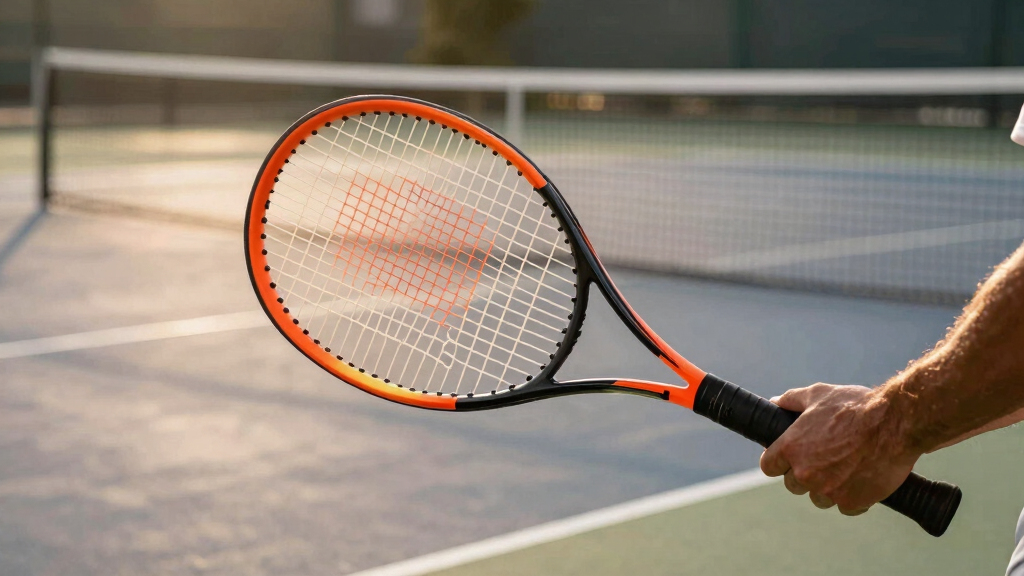
For example, a tennis racket labeled ‘competition grade’ might use advanced graphite composites that reduce weight by 10% while boosting stiffness for more power. But unless it conforms to official regulations, it’s more about marketing than certification.
Understanding this nuance is crucial because it influences how you evaluate whether the gear will actually improve your performance or just serve as a marketing gimmick. The label alone doesn’t guarantee the gear meets the high standards you might expect for serious competition, so it’s essential to look deeper into the specifications and testing behind the product.
How Do Manufacturers Ensure ‘Competition Grade’ Is Better?
Most brands boost ‘competition grade’ gear with premium materials, tighter tolerances, and better craftsmanship. They often use high-end composites, like carbon fibers, and employ advanced manufacturing techniques to improve durability and performance.
But why does this matter? Because these enhancements can lead to tangible differences in how the gear performs under stress or over time. For instance, a professional cyclist’s bike frame might incorporate carbon nanotubes to be 20% lighter yet stronger than standard models, which can translate into faster speeds and less fatigue during races. Similarly, tennis rackets might feature a more precise balance point or thinner beams for increased control, giving players an edge in accuracy.
However, these improvements often come with tradeoffs. Higher-end materials can be more fragile or less forgiving if not designed properly, and the increased precision can mean less tolerance for less-than-perfect technique. For recreational players, this might mean that the gear’s performance benefits are minimal or not worth the higher cost. Recognizing these tradeoffs helps you decide whether the investment aligns with your skill level and goals.
Comparison Table: Recreational vs. Competition Gear — What’s the Difference?
| Feature | Recreational Gear | Competition Grade Gear |
|---|---|---|
| Materials | Standard plastics, basic composites | High-end carbon, nanomaterials |
| Design Precision | Generic, mass-produced | Custom-tuned, strict tolerances |
| Regulatory Compliance | Usually not certified | Often meets official sport standards |
| Durability | Good for casual use | Designed for rigorous, repeated use |
| Price Range | Affordable, budget-friendly | Higher, reflects quality and compliance |
Understanding these differences is crucial because it highlights how competition gear isn’t just about better materials—it’s about meticulous design, strict quality control, and compliance with regulations that can influence your performance and safety. The higher price often reflects these added layers of quality assurance, but it also means you’re paying for features that matter most at the competitive level, not necessarily for everyday play.
Why You Should Care About ‘Competition Grade’ Gear
Using gear labeled ‘competition grade’ can offer tangible benefits—more control, better power transfer, and increased durability. If you’re competing seriously or training at a high level, these improvements can translate into better results. But understanding why these benefits matter helps you decide if the investment makes sense for your personal development.
Imagine a runner upgrading to shoes with a 15% lighter midsole and a carbon plate for propulsion. The difference in speed and comfort can be noticeable — especially over long distances. These enhancements can reduce fatigue, improve stride efficiency, and give you a competitive edge. However, for casual players, these benefits might not justify the higher price because the gains are often marginal at lower skill levels. Recognizing your own needs and goals ensures you select gear that truly enhances your performance without overspending on features you won’t utilize.
The Risks and Limits of ‘Competition Grade’ Gear
‘Competition grade’ doesn’t always mean foolproof. It’s possible to buy gear that’s labeled as such but doesn’t meet your needs or skill level. Overly advanced or stiff equipment can be harder to handle, increasing injury risk or reducing enjoyment. For example, a beginner tennis player might struggle with a racket designed for pros — it could be too stiff or too heavy, leading to poor technique or shoulder strain. Recognizing these limits is essential because gear that’s too high-end for your current level can hinder your progress rather than help it.
Furthermore, some gear labeled ‘competition’ may push the boundaries of official regulations, risking disqualification. For instance, a racquet with an overly tight string tension or a ball with unofficial modifications could violate rules, leading to penalties or disqualification in official matches. Knowing the rules and testing gear before committing ensures that you’re not only choosing high-performance equipment but also staying within the legal boundaries of your sport. This awareness helps prevent costly mistakes and promotes safe, effective training and competition.
Latest Innovations Making ‘Competition Grade’ Gear Smarter and Better
New materials and tech are reshaping what ‘competition grade’ gear can do. Think lightweight carbon composites infused with graphene, or smart gear with sensors tracking your swing speed or shot accuracy.
For example, some tennis rackets now come with integrated sensors that provide real-time feedback on your stroke, helping you improve faster. Similarly, golf clubs with built-in data analytics are already on the market.
This tech adds a new level of precision and customization, giving athletes an edge. These innovations can inform better training and strategy, but they also require a learning curve and often come at a premium price. Athletes need to weigh the benefits of these advancements against their actual needs and budget, as the latest tech isn’t always necessary for casual or amateur play. Nonetheless, staying informed about these trends can help you decide if investing in smarter gear aligns with your goals and resources.
Frequently Asked Questions
Is ‘competition grade’ gear always better than recreational gear?
Not necessarily. ‘Competition grade’ often uses higher-quality materials and better construction, but whether it improves your game depends on your skill level and needs. For beginners, it might be overkill and unnecessary cost.How can I tell if ‘competition grade’ gear is truly compliant?
Look for official certifications or compliance marks from governing bodies relevant to your sport. Read reviews from reputable sources and check the manufacturer’s specifications to verify quality claims.Can recreational players benefit from ‘competition grade’ gear?
Yes, but only if the gear matches your skill level and goals. For most casual players, high-end gear offers marginal benefits and might be more expensive than necessary.Are there risks in using ‘competition grade’ gear?
Yes. Overly stiff or advanced gear can be harder to handle, increasing injury risk or reducing comfort. Always try gear first and consider your own skill and physical condition.What are some recent trends in ‘competition grade’ sports gear?
Latest innovations include smart sensors, lightweight nanomaterials, and eco-friendly composites. These advances help athletes perform better with more personalized equipment, but they also come with higher costs.Conclusion
‘Competition grade’ gear signals high-performance, but it’s not a one-size-fits-all solution. Know what you need and what’s hype. Sometimes, a well-chosen recreational piece offers more value than the priciest gear that’s overkill for your game.
Remember, the best equipment is the one that fits your skill, your sport, and your goals — not just the label on the box.