
TL;DR

Get sports gear delivered free with Prime
- Fast, free delivery on millions of items
- Prime Video, Amazon Music and more included
- Member-only deals all year
Athletic wear for running should let you move freely, manage sweat, and match the weather. Start with comfortable layers, a fit that does not rub or bounce, and footwear that suits your needs; add sun protection, warmth, or active lighting as conditions call for them. Price and compression claims matter less than how a garment feels during your run.
A cotton T-shirt can feel perfectly fine for the first ten minutes, then turn clammy and heavy as your run goes on. That small shift is why athletic wear for running is less about looking like a runner and more about staying comfortable as your body warms up and the weather changes.
This guide helps you choose fabric, fit, and layers for your route and conditions, whether you are heading out for an easy loop or building toward a longer run. You will also learn how to cut down on chafing, stay visible in low light, and spend your money where it makes a real difference.
There is no universal running uniform. A lightweight singlet may suit a hot afternoon, while a wind-resistant shell can make a chilly morning more pleasant. Think of your clothes as a set of useful tools: choose what feels good on your body, then adjust as the forecast and your training change.
Try running clothes in motion; standing still will not reveal every ride-up, bounce, or rubbing seam.
Polyester, nylon, and merino wool are common options, but your comfort depends on the garment and conditions.
Use adjustable layers in cold or changeable weather, and lightweight clothing with sun protection in heat.
Reflective details need incoming light; add an active light for darkness or runs near traffic.
Spend according to fit and function, and follow care labels to help garments last.
Choose fabrics that feel better after you start sweating
Athletic wear for running should manage sweat in a way that feels comfortable against your skin, and quick-drying synthetics are a common starting point. Polyester and nylon are popular because many garments made from them dry quickly, while merino wool is another option runners may choose for comfort and odor resistance. Fabric and garment construction both matter.
Cotton is not automatically wrong for every run, but it can hold moisture and feel heavy when wet. Imagine a short, easy jog to the corner shop: your favorite cotton tee may work just fine. On a humid, longer run, that same shirt may cling to your back and rub under your arms.
Try a top on with the movements you will actually make. Reach overhead, twist, and swing your arms as if you were running. A shirt that feels soft in the fitting room can still ride up or bunch once your stride gets going.
Running apparel is designed to help you move comfortably and manage sweat and changing temperatures, but no label can promise a perfect feel. For example, a runner who gets cold easily may prefer a light long-sleeve top even in mild weather, while another runner may feel comfortable in a singlet. Let your own experience guide the next choice.
Products Worth Considering

Coleman Cascade 3-in-1 Portable Camp Stove with Grill and Griddle

Therabody Theragun Relief Massage Gun

Therabody SmartGoggles 2nd Gen Heated Eye and Temple Massager
As an affiliate, we earn on qualifying purchases.
Find a fit that stays put without rubbing
Athletic wear for running fits well when it allows a full stride and stays in place without pinching, chafing, or bouncing. Snug compression is a personal preference, not a requirement; some runners like the secure feel, while others prefer looser shorts or tops. Your comfort over a run matters more than a fit trend.
Test likely friction points before you commit to a long outing: inner thighs, underarms, bra bands, and the edges of waistbands. If a seam scratches during a quick jog around the block, it will probably feel worse after several miles. Smooth construction and a fit that does not bunch can help.
Support matters for runners who wear a sports bra. A well-fitting bra can make movement more comfortable, and the right amount of coverage depends on your body and preference. If you are trying one on, move around rather than judging it while standing still.
For instance, a new runner planning a 30-minute neighborhood loop might test a shirt and shorts on a short walk or easy jog first. A snug waistband that rolls down on the stairs is unlikely to behave better once the pace picks up. If an area rubs repeatedly, an anti-chafe product may help, but it works best alongside clothing that already fits comfortably.
Adjust your layers for heat, wind, and cold
Athletic wear for running works best when you match it to the conditions and your own tendency to warm up. In cold or changeable weather, a moisture-managing base layer, an insulating layer, and a wind- or water-resistant outer layer can offer options. In warm weather, lightweight, breathable clothing and sun protection may feel more comfortable.
A shell brings a trade-off: blocking wind or rain can also make a garment feel warmer and less breathable. On a windy spring morning, a light jacket may make the first mile feel pleasant, but you might want to unzip it after your body heats up. Choose layers you can adjust when the route allows.
Use this simple sequence when getting dressed for an unfamiliar forecast:
- Check the conditions, including temperature, wind, rain, and daylight.
- Start with a comfortable base that manages moisture against your skin.
- Add protection as needed, then choose a layer you can open, remove, or carry if conditions change.
For a rainy, chilly run, a runner might wear a quick-drying top under a light shell and choose shorts or tights based on personal comfort. The same outfit could feel too warm on a mild, still day. Keep notes after runs; a few words such as “cold first mile, warm after” can make the next decision easier.
Choose shorts, tights, and support for the run ahead
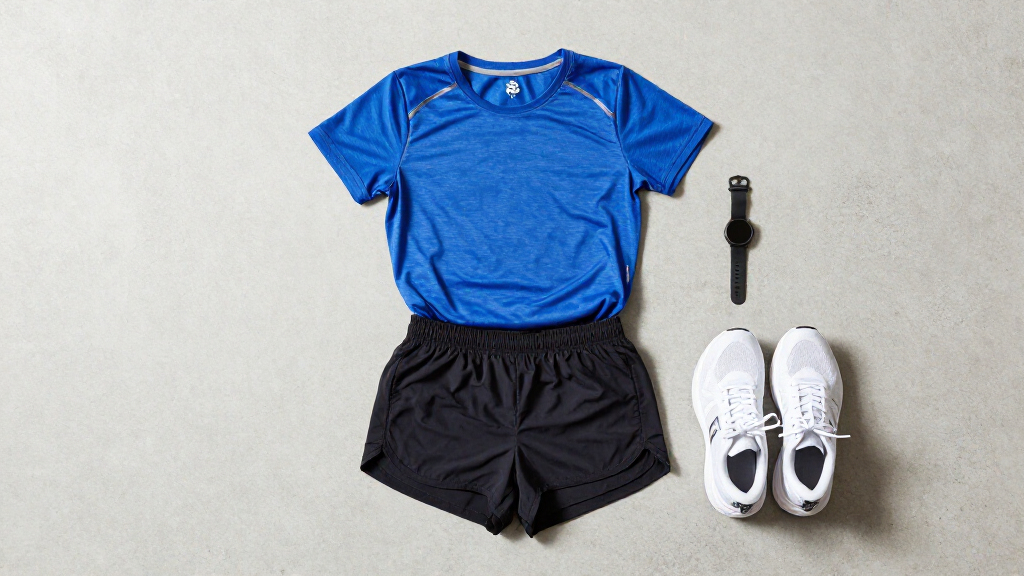
Athletic wear for running should provide coverage that feels secure while letting you move freely. Shorts suit many runners in warm weather, while tights can provide more coverage in cool conditions or simply match a runner’s preference. Neither option is best for everyone, and compression clothing does not come with a universal performance promise.
Think about the details you notice in motion. A runner on a shaded trail might like tights against cool brush, while a runner on a hot pavement loop may prefer airy shorts. Pockets can be handy for a key or a small snack, but a phone pocket that bounces with each step may distract you more than it helps.
Support and coverage should fit your body and your route. If you need a sports bra, look for one that feels comfortable during movement and offers the support you want. Wider choices of sizes and cuts can help more runners find workable options, though fit still varies from garment to garment.
Try your planned setup during an easy run before using it for a long event. For example, take a new pair of shorts on a 20-minute loop and see whether the waistband stays put and the fabric rides comfortably. A small pocket that holds a key securely may be more useful than several pockets that tug at the fabric.
Stay visible when the daylight fades
Athletic wear for running can help you stand out in low light when it includes bright colors or reflective details. Reflective material works when light reaches it, such as a car’s headlights. It does not glow on its own, so reflective clothing cannot replace an active light when you are running in darkness.
Visibility depends on more than the color of your shirt. Placement matters: reflective details on moving parts, such as shoes or lower legs, may catch attention as you move. A bright top can also help in overcast conditions, but nearby traffic and the route itself shape what you need.
Picture a winter evening run where the sidewalks are dim and cars turn across your path. A reflective jacket can make you easier to spot when headlights sweep toward you; a small light adds visibility before those headlights arrive. For runs near traffic or in darkness, use lighting suited to your route and follow local road-safety guidance.
Reflective details reflect light; active lights make their own. Use a light when you need drivers and other people to see you in darkness.
Make visibility part of your outfit check, alongside weather and fit. A runner leaving work at dusk can keep a lightweight light in a bag, then put it on if the route takes longer than expected. That small backup can matter when a cloudy afternoon turns into a dark evening.
Spend on comfort, then keep your gear working
Athletic wear for running does not need a high price tag to feel good. A garment that fits comfortably and suits your weather may serve you better than an expensive piece that rubs or traps heat. Judge value by how often you wear it and whether it keeps doing its job.
Technical construction keeps changing, with brands offering features such as ventilation panels, stretch, and fewer seams. Recycled fibers and repair or take-back programs are also appearing in the market, but broad “eco-friendly” wording does not tell you the whole story. Check specific material and durability details when those claims influence your choice.
Care can help clothing last. Follow the care label, wash sweaty items promptly, and avoid excessive heat that can wear down elastic components. For example, leaving a damp top crumpled in a gym bag until the weekend can make it unpleasant to wear, while washing it after the run and air-drying it can keep it fresher.
Replace a piece when it no longer fits or functions well: elastic may lose support, fabric may become damaged, or a seam may start rubbing. There is no fixed replacement schedule because a weekly runner and someone training most days use their clothes differently. Keep the gear that still feels right, and replace the item that has become a distraction.
Frequently Asked Questions
What should I wear for running?
Choose a comfortable top and shorts or tights that suit the temperature and let you move freely. Add layers, sun protection, or visibility gear based on the forecast, route, and time of day. Running shoes are a separate choice; clothing cannot make an uncomfortable shoe fit better.
Is cotton bad for running?
Not always. Cotton can feel fine on a short, easy run, but it tends to hold moisture and may feel heavy or clingy when wet. If that happens on longer or warmer runs, try a quick-drying synthetic or merino garment.
How should running clothes fit?
They should stay in place and allow comfortable movement without rubbing or restricting your stride. Compression and loose fits are both valid preferences. Try a garment during movement to check for bouncing, bunching, or seams that irritate your skin.
What should I wear in cold weather?
Dress in layers that manage sweat and provide the warmth and wind protection you need. A base layer, insulating layer, and outer layer can be useful, but the right combination depends on temperature, wind, rain, and how quickly you warm up. Open or remove a layer if the route and conditions allow.
Do reflective running clothes work in the dark?
Reflective details can help when light, such as car headlights, reaches them. They do not make their own light, so wear an active light when running in darkness or near traffic. Choose visibility gear to suit your route and local safety guidance.
Are compression tights useful for running?
Some runners like the snug feel and coverage of compression tights, while others prefer looser clothing. Evidence for broad performance or recovery benefits is mixed, so comfort and personal preference are sensible reasons to choose them. Test them on an easy run before wearing them for a longer outing.
Conclusion
Choose running clothes by what your body and route need: comfortable fabric, a fit that stays put, and layers suited to the weather. Test new pieces on an easy run before you rely on them for a long outing, and add active lighting when darkness calls for it.
The best kit is the one you stop noticing once your feet find their rhythm.