
TL;DR
Performance running shoes are designed to enhance speed, comfort, and efficiency. They differ from everyday sneakers through features like lightweight construction, specialized foam, and stability elements. Picking the right pair boosts your running and reduces injury risk.
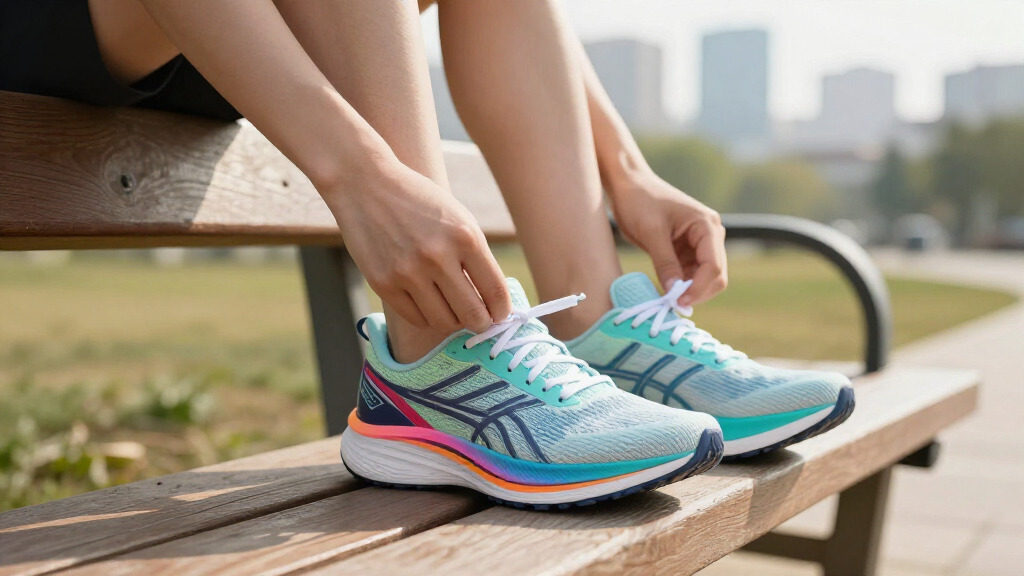
Imagine lacing up a pair of shoes that feel like an extension of your legs — responsive, lightweight, and perfectly fitted. That’s what performance running shoes promise. They’re engineered to help you run faster, farther, and more comfortably, whether you’re chasing a new personal best or just enjoying a trail.
But with a dizzying array of models, features, and trends, choosing the right shoe can feel overwhelming. This guide breaks down what really matters — from fit and cushioning to the latest tech — so you can pick the perfect pair for your goals and feet.
Fit and comfort are king; always try shoes in the conditions you’ll run in.
Recent innovations like carbon plates and energetic foams can improve your running economy by up to 4%.
Choose shoes based on your specific needs — race, daily training, trail — not just trends or brand hype.
Monitor shoe wear signs around 300-500 miles to prevent injuries and maintain performance.
Gradually introduce new shoes to your routine for a smooth transition and better results.
What Makes a Running Shoe ‘Performance’? Here’s the Core
Performance running shoes aren’t just about looking sleek or feeling soft. They focus on specific features that boost speed, efficiency, and comfort. Think of them as finely tuned tools designed for your unique stride.
Key elements include lightweight construction, responsive midsoles, stiff plates (in some models), and traction suited for your terrain. For example, a marathoner might prefer a shoe with a plush yet responsive midsole to cushion long miles, while a sprinter might opt for something ultra-light with a stiff plate to maximize turnover.
Recent innovations like carbon plates and advanced foam formulations have pushed performance shoes into new territory. These advancements can reduce energy loss and make you feel springier during each stride.
How to Find Your Perfect Fit in a Performance Shoe
- Try shoes in the late afternoon or after a run — feet swell during activity, so this mimics actual conditions.
- Wear your usual running socks to get an accurate fit.
- Ensure there’s about a thumb’s width of space in front of your longest toe — no pinching, no excessive wiggle.
- Check for a snug fit around the heel and midfoot without pressure points.
- Walk and jog around to feel how the shoe responds to movement.
For instance, a runner with wider feet might need a model with a broader toe box or specific width options. Comfort trumps all — even if a shoe looks perfect, if it pinches or slips, it’s not right.
Remember, your feet can swell during a long run. Shoes that fit perfectly in the store might feel tight after a few miles. Always consider trying on shoes later in the day or after a run to simulate real conditions.
The Latest Trends in Performance Running Shoes You Need to Know
| Trend | Description |
|---|---|
| Super Shoes | Lightweight racing shoes with carbon plates that boost energy return, popular in elite marathons and now available to everyday runners. |
| High, Soft Midsoles | More cushioned yet responsive foam that absorbs impact and delivers a lively ride, especially for long-distance training. |
| Specialized Models | Brands now offer distinct lines for speed, daily training, and trail running, allowing tailored performance for different sessions. |
| Sustainable Materials | Recycled plastics, plant-based foams, and eco-friendly manufacturing are becoming more common, though their impact varies. |
For example, Nike’s Vaporfly series uses a carbon plate and a thick, responsive foam that can shave seconds off race times. Meanwhile, brands like Hoka focus on plush cushioning for ultra-distance comfort. The choice depends on your specific goals and terrain.
Staying aware of these trends helps you pick a shoe that aligns with your performance needs and budget.
What Should You Know Before Buying Your Next Pair?
- Drop and Stack Height: Drop is the heel-to-toe difference; stack height is the amount of material beneath your foot. Neither alone predicts comfort.
- Durability: Outsole wear depends on running surface, body weight, and shoe construction. Trail shoes wear differently than road shoes.
- Purpose and Versatility: Decide if you need a shoe for daily miles, speedwork, or races. Some runners prefer one shoe for everything, others rotate multiple pairs.
- Price and Tech: Higher tech features like carbon plates come at a premium. Balance your budget with your performance goals.
- Gradual Transition: Introducing new shoes slowly helps prevent injuries. Mix old and new shoes for a few runs before fully switching.
Take Emily, a marathoner who switched to a pair of lightweight, carbon-plated shoes for her last race. She gradually logged shorter runs in them before race day. The result? Faster times and zero discomfort.
Remember, the best shoe is the one that fits well, supports your needs, and makes you want to run more.
When and Why You Should Upgrade Your Running Shoes
Performance shoes don’t last forever. Most runners notice a change in feel or support after about 300-500 miles, but it varies. The key is listening to your body and inspecting your shoes regularly.
Look for signs like outsole wear, compressed midsole foam, or new aches and pains. For example, if your favorite pair now feels flat or causes blisters, it’s time for a new one.
Upgrading can boost your performance and reduce injury risk. Worn-out shoes lose their ability to absorb shock and support your gait, which can lead to issues like shin splints or plantar fasciitis.
Many runners rotate between two pairs, extending the lifespan of each. That way, you always have a fresh set ready for your best runs.
Remember: a fresh pair of performance shoes can make a noticeable difference, turning tired strides into lively, efficient ones.
Frequently Asked Questions
How should performance running shoes fit?
They should feel snug around your midfoot and heel without pinching, with enough room in the toe box to wiggle your toes. Remember, feet swell during runs, so consider trying shoes in the afternoon or after a run for the most accurate fit.
How often should I replace my performance running shoes?
Most shoes last between 300-500 miles, but it depends on your weight, gait, and terrain. Watch for signs like outsole wear, reduced cushioning, or discomfort. When your shoes lose their responsiveness, it’s time for a new pair.
Are stability shoes necessary for overpronators?
Not necessarily. Comfort and fit matter more than labels. Some overpronators do well in neutral shoes with proper support, while others benefit from stability features. Try different styles and see what feels best during your runs.
Can I wear racing shoes for everyday training?
Yes, some runners do, but racing shoes often sacrifice durability and cushioning for lightness. They’re great for speed sessions or races but may not hold up for daily mileage. Consider having a dedicated pair for training and racing.
What’s the difference between road and trail shoes?
Trail shoes have more aggressive lugs and extra protection against rocks and roots. Road shoes focus on smooth transitions and grip on pavement. Choose based on your typical running terrain for better performance and safety.
Conclusion
Picking the right performance running shoe is about understanding your goals, your feet, and what recent tech can do for you. Think of your shoes as an extension of your legs — they need to support, respond, and feel just right.
Don’t chase every trend or brand; focus on fit, purpose, and how they make you feel. Your best run is just a decision away, starting with the right pair of shoes that match your stride and spirit.