
TL;DR
Beginners only need basic, safety-focused gear tailored to their sport. Proper fit, safety, and comfort matter more than expensive equipment. Recent innovations make quality gear accessible and easy to start with.
What Sports Gear Beginners Actually Need Before They Start
Beginners only need basic, safety-focused gear tailored to the sport. Proper fit, safety, and comfort matter more than expensive equipment or flashy branding.
Your first kit should protect your body, fit your movement, and make the next session easier to begin.
No fluff. No status buys. Just what supports the sport.Functional gear beats premium gear for most first-month athletes.
Helmets, supportive shoes, padding, gloves, or belts come before extras.
Gear should stay secure without wobbling, pinching, or restricting movement.
Replace gear when protection fades, support breaks down, or your sport demands more.
Start With The Non-Negotiables
Before buying a full kit, identify the one piece of gear that keeps you safe every time you train. Then add comfort and sport-specific tools only when they solve a real problem.
Buy the safety item first
Cycling needs a helmet. Skateboarding needs pads and a helmet. Martial arts may need a mouthguard. This is your first line of defense.
Choose supportive footwear
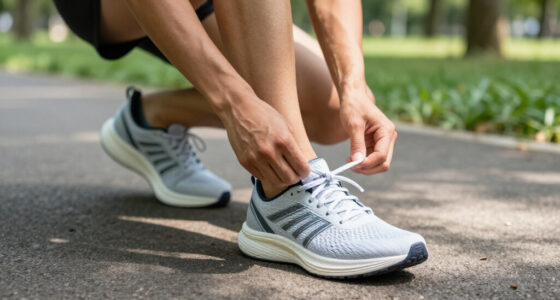
Running, court sports, and gym sessions all depend on shoes that match your foot, surface, and movement pattern.
Wear simple, breathable layers
Moisture-wicking fabrics, flexible fits, and non-chafing seams make early workouts easier to repeat.
Essential Gear By Sport
The exact starter kit changes by activity, but the evaluation stays the same: safety standards, fit, comfort, and durability before appearance.
| Sport | Essential Gear | Key Features | Beginner Priority |
|---|---|---|---|
| Running | Supportive shoes | Arch support, cushioning, lightweight build | ✓ Fit and foot support |
| Cycling | Helmet | Proper fit, ventilation, certified safety standards | ✓ Head protection |
| Weightlifting | Gloves and belt | Grip, lower back support, adjustability | ~ Use when lifts require support |
| Skateboarding | Pads and helmet | Impact protection, snug fit, durable shell | ✓ Fall protection |
The Beginner Buying Flow
Use this sequence before checkout. It keeps spending focused and prevents the classic mistake of buying gear that looks right but fails during movement.
Name the risk
Falls, impact, blisters, grip loss, overuse, or poor visibility.
Match the sport
Pick gear built for the exact activity, not just general fitness.
Check the fit
Move, bend, lace, strap, and test pressure points before buying.
Balance cost
Choose the reliable middle ground over the cheapest or flashiest option.
Upgrade later
Add performance gear once your routine and needs are clearer.
What Actually Deserves Your Budget?
Beginners get the biggest return from safety and fit. Brand prestige and optional accessories can wait until the habit is real.
Modern Gear Is Easier To Start With
Recent innovations are lowering the barrier for beginners: safer padding, lighter fabrics, better sizing tools, and more affordable entry-level product lines.
Useful Innovations
Lightweight breathable fabrics reduce overheating and chafing.
New foam padding improves impact protection without bulky weight.
3D scanning and custom-fit tools help beginners find safer sizing faster.
Entry-level wearables can track progress and help prevent overtraining.
Common Buying Mistakes
- Buying gear for looks instead of sport-specific support.
- Choosing the cheapest option even when protection is weak.
- Ordering one size and never testing movement or pressure points.
- Purchasing advanced accessories before building a routine.
The Fit Test
Ill-fitting gear can cause blisters, chafing, headaches, restricted movement, and injury risk. Fit is not a detail; it is the performance feature beginners feel first.
Comfort Zone Scale
Test it in motion
Try shoes at the end of the day, use brand sizing guides, secure straps without pinching, and walk, bend, or mimic the sport before deciding.
Beginner Questions, Answered
Most gear confusion comes from one fear: buying too little or too much. The safer answer is to start simple, then upgrade when your body and routine give you better data.
Do I need expensive gear?
No. Affordable options can meet safety standards. Focus on fit, protection, and sport-specific function first.
Can I start without gear?
For many activities, comfortable clothing and proper shoes are enough at first. Add safety gear when the sport involves impact, speed, load, or falls.
What should I buy first?
Buy the item you will rely on every session: helmet for cycling, supportive shoes for running, or gloves for weightlifting.
When should I upgrade?
Upgrade when gear wears out, your training becomes more specific, or better equipment clearly improves safety and comfort.
Bottom Line
Your gear should feel like a partner, not a burden. Start with essentials, prioritize safety and fit, ignore brand noise, and let your next upgrade be earned by practice.
Key Takeaways
- Prioritize safety gear that fits well — it’s the most important investment.
- Start with basic, functional equipment; you don’t need high-end gear at first.
- Proper fitting gear prevents injuries and boosts confidence.
- Recent innovations make quality gear more affordable and comfortable.
- Avoid buying gear just for looks or brand — focus on what actually supports your sport and safety.
How to Pick the Right Sports Gear Without Breaking the Bank
Choosing gear as a beginner doesn’t mean spending hundreds right away. It’s about balancing safety, comfort, and cost. Start with essentials that meet safety standards and fit well. For instance, a pair of running shoes that fit snugly and offer good arch support can make all the difference—without costing a fortune.
Look for budget-friendly brands that prioritize quality and safety. Many offer beginner lines that hit the sweet spot between price and durability. Remember, cheap gear that’s poorly made can cause injuries or discomfort, so aim for the middle ground.
Investing wisely in gear means considering not just the initial cost but also durability and how it supports your activity over time. Cheaper gear might save money upfront but could wear out quickly or fail to provide adequate protection, leading to potential injuries or setbacks. Striking a balance ensures you’re protected without overspending, and you build a sustainable routine.
The One Piece of Gear That’s a Must-Have for Every Sport
Every sport has its non-negotiable safety gear. For cycling, it’s a helmet; for weightlifting, a good pair of gloves; for running, supportive shoes. Think of this gear as your first line of defense against injury. For example, a well-fitting helmet not only prevents head injuries but also boosts confidence, allowing you to focus on your activity without constant worry.
Investing in this piece first emphasizes safety as the top priority. It’s the gear you’ll use every time you hit the activity, and choosing the right one can mean the difference between a safe workout and an injury that sidelines you. Proper safety gear also encourages good habits—like always wearing a helmet or supportive shoes—making it part of your routine from the start.
How to Know if Your Gear Fits Perfectly
Proper fit is everything because it directly impacts safety, comfort, and performance. Ill-fitting gear can cause blisters, chafing, or even injuries by restricting movement or causing imbalance. For shoes, trying them on at the end of the day when your feet are slightly swollen gives you a more accurate fit, preventing discomfort during activity. For helmets, ensure they sit snugly without wobbling—too loose and they won’t protect effectively; too tight and they cause discomfort or headaches.
Using a measuring tape or following brand-specific sizing guides helps you find the best fit. When trying on gear, walk or move around to see how it feels in action. If you’re in between sizes, opting for a slightly larger size often offers better comfort and safety, especially for prolonged use. Remember, a well-fitting piece of gear enhances your performance and reduces injury risk, making it worth the extra effort to choose correctly.
Comparison Table: Essential Gear for Common Sports
| Sport | Essential Gear | Key Features |
|---|---|---|
| Running | Supportive shoes | Arch support, cushioning, lightweight |
| Cycling | Helmet | Proper fit, ventilation, safety standards |
| Weightlifting | Gloves & belt | Grip, lower back support, adjustability |
| Skateboarding | Pads & helmet | Impact protection, snug fit, durability |
Innovations Making Gear Safer and Cheaper for Beginners
Recent tech advances make gear safer and more affordable. Lightweight, breathable fabrics keep you comfortable, while new foam padding enhances safety without extra weight. Brands now offer eco-friendly options made from recycled materials, so you can gear up and feel good about it.
Smart wearables like beginner-friendly fitness trackers help monitor your progress and prevent overtraining. Custom-fit gear, enabled by 3D scanning, ensures your equipment feels like it’s made for you—boosting comfort and safety. These innovations are transforming the beginner experience, reducing the barrier to entry and making safety a standard, accessible feature for everyone.
Common Mistakes Beginners Make When Buying Gear
Many beginners buy gear that doesn’t fit or isn’t necessary, which can lead to discomfort or injuries. For example, purchasing expensive shoes before trying on multiple pairs might result in blisters or foot pain, slowing down progress. Others buy gear based on appearance or brand recognition, not realizing it might not suit their specific sport or body type. This often leads to wasted money and frustration.
To avoid these pitfalls, always try gear on in person when possible, read reviews from other users, and prioritize safety and proper fit over brand or price. Remember, gear is an investment in your safety and enjoyment; choosing the right pieces ensures you stay motivated and injury-free, setting a solid foundation for your athletic journey.