TL;DR
Athletic backpacks for students blend practicality and style, with key features like multiple compartments, durable materials, and safety elements. Trends now include eco-friendly fabrics and tech integrations, making them versatile for school and sports.
Imagine walking into your school hall — your backpack bouncing with each step, packed with gear for both class and after-school sports. Athletic backpacks aren’t just about looks; they’re built to handle your active, multi-tasking life. If you’re tired of flimsy bags that fall apart or don’t fit your needs, this guide will help you find a backpack that works as hard as you do.
We’ll explore what makes a backpack truly athlete-ready, highlight the latest trends, and give you concrete tips for choosing one that keeps everything organized, protected, and comfortable. Whether you’re a student athlete, a gym enthusiast, or just someone who appreciates rugged style, this is your go-to guide.
Prioritize size and compartments to fit your specific gear and keep things organized.
Look for water-resistant or waterproof fabrics to protect your equipment during bad weather.
Choose ergonomic features like padded straps and breathable back panels for all-day comfort.
Consider eco-friendly options with recycled fabrics and safety features like reflective strips.
Compare features and price points; mid-range backpacks often balance durability and smart features best.
What Makes an Athletic Backpack Stand Out?
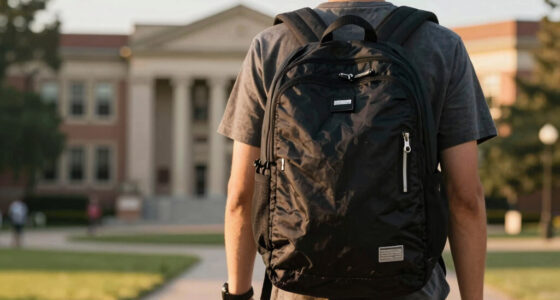
Athletic backpacks for students aren’t just bigger—they’re smarter. They combine tough materials and thoughtful design for everyday durability and active use. Think water-resistant fabrics like ripstop nylon that shrug off rain, and padded straps that feel like a hug on your shoulders after a long day.
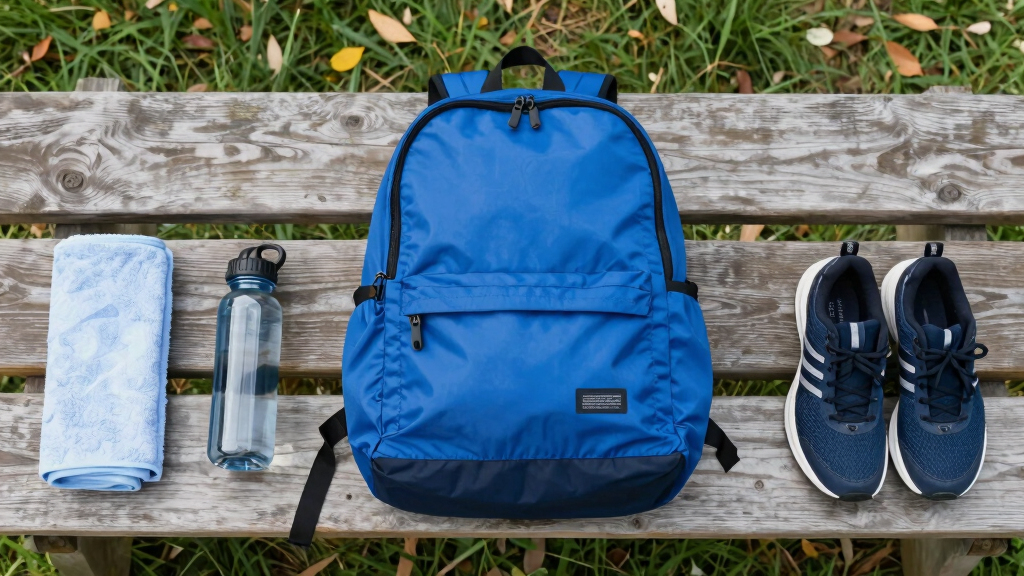
Imagine a backpack that comfortably fits your laptop, gym shoes, water bottle, and textbooks. Multiple compartments help keep everything in place—no more digging through a jumble of gear. For example, a student soccer player might keep cleats in a ventilated shoe pocket, while a dancer stashes tights and accessories in separate sections.
Durability is key. Reinforced stitching and high-quality zippers prevent tears and breakage, even when you haul it around every day. The best designs also add ergonomic features: padded back panels and adjustable straps for all-day comfort. These elements are crucial because they directly impact how long your backpack lasts and how comfortable it feels during extended wear. A poorly designed bag might seem fine initially but can cause strain or wear out quickly, leading to additional costs and inconvenience. So, investing in a well-constructed backpack isn’t just about style—it’s about ensuring your gear stays protected and your body remains comfortable over time.
Latest Trends in Student Athletic Backpacks
Athletic backpacks are evolving fast, blending style with tech. Eco-friendly fabrics like recycled polyester are now common, helping students reduce their carbon footprint. These materials often come with tradeoffs—while they promote sustainability, some may be slightly heavier or less breathable than traditional fabrics. Brands like Patagonia and Nike showcase vibrant, sustainable designs that stand out, but it’s important to consider durability and maintenance needs, as eco-friendly materials can sometimes require special care. These fabrics not only support environmental efforts but also often provide enhanced durability and resistance to wear, making them a smart long-term investment.
Smart features are gaining ground. Some backpacks include built-in USB ports—like a backpack with a hidden charging cable—so you can juice up your phone between classes or during practice. RFID-blocking pockets keep your personal info safe in crowded hallways. Incorporating these features reflects a broader shift towards multifunctionality, where backpacks serve as tech hubs, safety tools, and style statements all in one. However, it’s important to weigh the benefits against potential tradeoffs: added weight, increased complexity, and higher costs. For example, a backpack with multiple tech features might be less breathable or heavier, which could impact comfort during long days or intense activities. The key is balancing innovation with practicality based on your daily routine.
Multi-functionality is also a big hit. Convertible designs let you switch from a traditional pack to a sling or a duffel, perfect for sports or casual outings. Slim profiles with ergonomic support cater to students on the move, while reflective accents boost safety during early morning runs or late-night walks. These trends emphasize versatility, allowing your backpack to adapt to various activities without sacrificing comfort or safety. But remember, more features often mean higher costs and potential maintenance, so prioritize what truly enhances your active lifestyle and consider the tradeoffs involved.
How to Pick the Perfect Athletic Backpack for You
- Measure your gear. Know your typical load—shoes, laptop, water bottle, snacks. Look for a bag with at least 20-30L capacity to ensure it can comfortably hold everything without feeling cramped, which can lead to strain or damage over time. Choosing a bag that’s too small can cause overstuffing, leading to tears or discomfort, while too large may encourage unnecessary weight and bulk.
- Check material quality. Prioritize water-resistant fabrics like ripstop nylon or polyester, especially if you bike or walk in rain. High-quality materials resist tearing and moisture, extending the lifespan of your backpack and protecting your belongings from weather-related damage. The right fabric choice can significantly reduce the need for repairs or replacements, saving money and hassle in the long run.
- Focus on comfort. Padded straps, a ventilated back panel, and adjustable features make a huge difference during long days. These elements reduce pressure points and prevent discomfort, especially when carrying heavier loads or during extended wear. Comfort features can also prevent long-term health issues like back pain or shoulder strain, which are common with poorly designed packs.
- Consider extra features. Do you need a shoe compartment? A USB port? Reflective details for safety? These features should align with your daily activities and environment. For instance, a shoe compartment keeps footwear separate, preventing dirt transfer, while USB ports offer convenience for charging devices on the go. But be mindful that additional features might add weight or complexity, so choose only those that genuinely enhance your daily routine.
- Set a budget. Quality backpacks range from $30 to $80, with more features generally costing more. Finding a balance between cost and durability ensures you get good value without overspending. Remember, investing in a slightly pricier model with better materials and features can save money in the long run by lasting longer and offering better functionality. Sometimes, paying more upfront reduces the need for frequent replacements, making it a smarter financial choice.
For example, a high school runner might prioritize lightweight materials and reflective accents to stay safe during early morning runs, while a basketball player may need a larger bag with a ventilated shoe pocket to accommodate bigger gear. Tailoring your choice to your specific needs ensures your backpack supports your active lifestyle effectively.
Comparison Table: Top Features of Student Athletic Backpacks
| Feature | Budget Models | Mid-Range Models | Premium Models |
|---|---|---|---|
| Material | Polyester, nylon | Ripstop nylon, eco-friendly fabrics | High-tech water-resistant fabrics, recycled materials |
| Capacity | 15-20L | 20-30L | 30L and above |
| Smart Features | Basic pockets | USB ports, RFID pockets | Wireless charging, app-connected |
| Comfort | Minimal padding | Padded straps, back panel | Ergonomic support, breathable mesh |
| Price Range | $20-$40 | $50-$70 | $80+ |
Safety and Eco-Friendly Picks to Keep in Mind
Safety features matter. Reflective strips, LED lights, and bright colors help you stay visible on early morning runs or evening walks. For example, a backpack with glow-in-the-dark accents can make you stand out in low light.
Eco-conscious options are more available than ever. Recycled fabrics, biodegradable zippers, and sustainable manufacturing practices mean you can support the planet while staying stylish.
An example? Brands like Patagonia and Adidas now offer backpacks made from recycled ocean plastics, combining durability with a green mindset.
“A good backpack isn’t just about style — it’s about safety, sustainability, and making your active life easier.”
Frequently Asked Questions
What should I look for in a durable athletic backpack?
Focus on high-quality water-resistant fabrics, reinforced stitching, and sturdy zippers. Padded straps and ergonomic support also help it last through daily wear and tear.Are athletic backpacks suitable for everyday school use?
Absolutely. Many are designed to handle both sports gear and school supplies comfortably. Just check the capacity and compartments to match your daily needs.How do I choose a backpack that fits my child’s needs?
Measure their gear, consider comfort features like padded straps, and look for safety elements like reflective strips. Balance size, features, and budget for the best fit.Are waterproof or water-resistant backpacks worth it?
Yes, especially if your child bikes or walks in rainy weather. They protect electronics and books, saving you from damp, damaged gear.How do I clean and maintain an athletic backpack?
Most can be spot cleaned with mild soap and water. Avoid machine washing unless specified. Regularly check zippers and seams for wear and tear to prolong lifespan.Conclusion
Choosing an athletic backpack isn’t just about grabbing a flashy bag. It’s about finding one that fits your active life—durable, comfortable, and packed with the right features. When you pick wisely, your bag becomes an extension of your hustle, keeping gear safe and your style sharp.
So, next time you pack up for school or practice, remember: a good backpack isn’t just an accessory — it’s your portable powerhouse. Ready to find yours?