
TL;DR
Build a starter sports kit by focusing on core essentials, choosing versatile gear, and considering second-hand options. You don’t need to buy everything at once—start small and expand as you go.
Jumping into a new sport can feel overwhelming—tons of gear, brands, and options. But here’s the truth: you don’t need to buy everything right away. Instead, focus on the essentials that get you moving and stay safe.
This guide breaks down how to build a beginner sports kit that’s practical, affordable, and tailored to your needs. No fluff, just real advice to help you start strong without breaking the bank.
Start with the kit that gets you moving, not the one that fills a closet.
TL;DR: Build around core essentials, choose versatile gear, inspect second-hand options carefully, and expand only after real practice tells you what you need.
$100
A practical starter target for shoes, basic clothing, hydration, and one sport-specific safety item.
50%
Second-hand gear can cost around half as much as new when condition and fit check out.
Buy safety first. Rent curiosity.
Spend where injury risk is real, borrow or buy used when you are still testing the sport.
Items are usually enough to start most beginner sports safely.
Footwear affects comfort, injury risk, and whether you keep showing up.
Practice sessions before adding gadgets, specialty apparel, or advanced gear.
Every purchase should match your sport, body, weather, and actual routine.
Separate essentials from expensive noise.
Most beginner kits fail because they start with shopping instead of use. Define the sport, list what keeps you safe, then remove anything that does not help you participate this week.
What does the sport actually require?
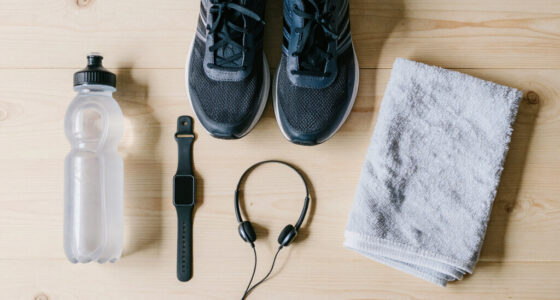
Running may need shoes and moisture-wicking clothing. Soccer adds a ball and shin guards. Cycling starts with a helmet before accessories.
Choose gear that crosses activities.
Neutral athletic layers, a simple gym bag, and cross-training shoes can cover several early routines before you specialize.
Assign money before temptation arrives.
Put funds toward shoes, protective gear, and comfort basics first. Trendy extras can wait until your habits are real.
The lean buying sequence.
Use the first few sessions as your research phase. This keeps your kit small, useful, and matched to the version of the sport you actually practice.
Pick one sport
Name the exact activity and setting: indoor court, trail, gym, road, field, or pool.
List safety basics
Prioritize shoes, helmet, pads, mouthguard, or sport-specific protection.
Cover comfort
Add breathable clothing, hydration, and a bag only if it supports consistency.
Borrow or buy used
Inspect seams, soles, straps, padding, and fit before counting it as reliable.
Upgrade later
Spend again when a repeated problem appears, not when an ad creates one.
Where your first dollars should go.
Not every item deserves the same attention. The highest-value pieces reduce injury risk, improve comfort, and make it easier to train repeatedly.
The starter hierarchy
Invest in fit and protection first. Save on accessories, aesthetics, and tracking tech until your routine proves they matter.
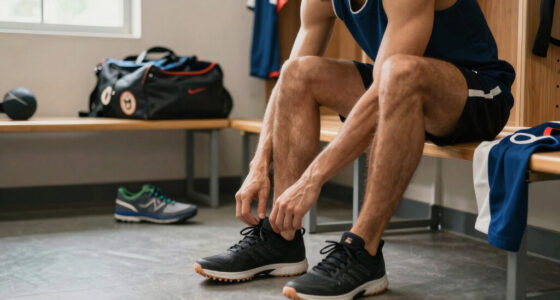
- ✓ Shoes that fit your sport, feet, and surface.
- ✓ Moisture-wicking clothing that prevents chafing.
- ✓ Required protection for contact, speed, or impact.
- ~ Watch, compression, specialty bags, and branded extras later.
Value impact by category
Compare the gear that matters most.
Use this table as a beginner shopping filter. If an item does not improve safety, comfort, or participation, it probably belongs in the “later” column.
| Gear Item | Why It Matters | Average Cost | Buy New? | Used Okay? | Buying Tip |
|---|---|---|---|---|---|
| Running Shoes | Prevents injuries and supports your feet through repeated impact. | $50-$120 | ✓ | ~ | Prioritize fit, support, and comfort; inspect sole wear if buying used. |
| Moisture-Wicking Clothes | Keeps you dry, reduces chafing, and improves comfort. | $15-$40 each | ~ | ✓ | Choose polyester or nylon blends; avoid cotton for sweaty sessions. |
| Protective Gear | Reduces injury risk in contact, impact, or speed-based sports. | $10-$30 each | ✓ | ~ | Check fit, padding, straps, cracks, odor, and safety certification. |
| Water Bottle | Prevents dehydration, fatigue, cramps, and skipped breaks. | $5-$20 | ~ | ✓ | Reusable, easy-clean bottles beat one-off plastic every time. |
| Fitness Tracker | Useful for motivation, but rarely essential on day one. | $40-$150+ | ✗ | ~ | Wait until tracking data would change your training decisions. |
Spend less without choosing badly.
Second-hand gear, local swaps, and borrowing can make high-quality equipment accessible. The trick is knowing what can be reused safely and what deserves stricter inspection.
Used-gear safety spectrum
Soft goods and bags are usually low-risk. Helmets, shoes, and protective gear require careful condition checks.
Impulse-buy risk
The more specialized the item, the longer you should wait. Let repeated need, not novelty, trigger the purchase.
Trace the smart-kit logic.
A good starter kit is not a pile of equipment. It is a sequence of decisions that protects your body, your budget, and your motivation.
Define the activity and surface.
Buy protection before extras.
Shoes and clothing must feel right.
Borrow or buy second-hand wisely.
Let real sessions expose needs.
Add durable gear over time.
Key Takeaways
- Identify your sport’s essential gear and skip unnecessary extras.
- Choose versatile gear that can support multiple activities to save money.
- Start with a small budget, focus on quality basics, and expand gradually.
- Second-hand gear is often reliable and saves a lot of cash—inspect carefully.
- Prioritize safety gear, especially good shoes, to prevent injuries early on.
Identify Exactly What Your Sport Needs — No Extra Stuff
The first step is knowing what’s absolutely necessary for your sport. For example, if you’re into running, your focus is on good shoes and comfortable clothing. If it’s soccer, you’ll need a ball and some shin guards.
Think about what you’ll do most often. Do you need protective gear, or just apparel? For a beginner, sticking to the basics prevents waste and saves money.
Imagine starting with a pair of versatile shoes that work for multiple activities—hiking, gym, casual runs. That saves you from buying specialized gear for each sport at first. This approach helps you avoid overspending on unnecessary equipment that might not suit your evolving needs.
Understanding what’s essential ensures you’re investing in gear that truly enhances your performance and safety. Overbuying or choosing unnecessary items can lead to clutter and wasted resources, so focus on what directly supports your activity and goals.
Pick Versatile, Multi-Use Gear to Save Money
Choosing gear that serves more than one purpose helps you avoid clutter and extra costs. A good example: a pair of athletic shoes that can handle running, weightlifting, and casual outdoor activities.
Layered clothing is another trick. Wear moisture-wicking shirts with a lightweight jacket that can be used across different seasons and activities.
Think about a simple gym bag that fits everything—no need for multiple smaller bags. Versatility extends your dollar and keeps your kit manageable. This way, you’re not just saving money in the short term but also reducing the clutter and complexity as you progress.
Prioritizing multi-use gear means you can adapt as your fitness level or interests change without constantly buying new equipment. This approach encourages smarter spending and makes your sports journey more sustainable and less stressful.
Set a Budget and Stick to It — Avoid Impulse Buys
Deciding how much to spend keeps you on track. For a basic sports kit, allocate funds first to the essentials—like shoes and clothing. Think of it as building a foundation.
For example, you might set aside $100 for your starter gear. Focus on quality where it counts. Avoid trendy items that don’t add real value, as they can quickly inflate your costs without providing lasting benefits.
Plan your purchases with patience. Wait for sales or discounts, and consider second-hand gear for savings without sacrificing safety or durability. This disciplined approach ensures you get the best value for your money and prevents impulse purchases that could lead to wasted resources.
Being disciplined with your budget means you’re more likely to invest in items that last longer and perform better, ultimately saving you money and frustration down the line. It also helps you develop a mindful shopping habit that prioritizes quality over quantity.
Buy Second-Hand or Borrow to Cut Costs and Still Get Quality
Second-hand sports gear can be a goldmine. Many items are lightly used and still in great shape. For example, a used pair of running shoes from a trusted seller can cost 50% less than new ones, and often still have plenty of life left in them.
Ask around—friends or family might lend you gear or pass down their old stuff. Local sports swap events are also excellent places to find affordable gear. This not only saves money but also promotes sustainable shopping, reducing waste and extending the life cycle of sports equipment.
Just inspect used items carefully—look for excessive wear or damage, especially on shoes and protective gear. With a little care, second-hand gear can last and save you hundreds, making high-quality gear more accessible for beginners. Choosing second-hand gear often involves tradeoffs between cost and condition, but with careful inspection, you can find reliable equipment that meets your safety and performance needs at a fraction of the price of new items.
Focus on Core Items That Keep You Safe and Moving
The essentials come down to a few key pieces. For most sports, it’s a good pair of shoes, comfortable clothing, and any specific safety gear like mouthguards or knee pads.
For example, a beginner cyclist needs a helmet and padded shorts. A beginner basketball player needs proper sneakers and a breathable shirt.
Start with these core items because they directly influence your safety and performance. Investing in quality at this stage means fewer injuries, better comfort, and more motivation to keep practicing. As you become more experienced, you can add specialized gear based on your sport’s demands.
Understanding the importance of core items helps prevent injuries and ensures you’re comfortable enough to train consistently. Skimping on these basics can lead to discomfort or even injury, which can derail your progress early on. Prioritizing these items ensures you’re laying a solid foundation for your sports journey.
Gradually Add More Gear as You Progress
Start small. Use your initial gear for a few sessions, then add pieces based on your experience and needs. For example, once you’re committed to running, you might invest in a quality GPS watch or compression socks.
Prioritize durability and safety when expanding your kit. Don’t rush to buy everything at once—let your skills and passion guide your purchases. This phased approach allows you to understand what gear truly enhances your performance and what is unnecessary, helping you make smarter investments over time.
This approach keeps your costs manageable and helps you learn what really matters for your sport, avoiding wasteful spending on gear that doesn’t add value. By gradually adding gear, you also give yourself time to assess what truly benefits your performance and comfort, preventing impulse buys driven by trends or peer pressure.
Compare the Most Important Gear Pieces — What Matters Most
| Gear Item | Why It Matters | Average Cost Range | Tips for Buying |
|---|---|---|---|
| Running Shoes | Prevents injuries, supports your feet | $50–$120 | Get fitted at a specialty store; prioritize comfort and proper support to avoid long-term injuries. |
| Moisture-Wicking Clothes | Keeps you dry and comfortable, reducing chafing and irritation during activity | $15–$40 per piece | Look for breathable fabrics like polyester or nylon; avoid cotton which traps sweat and can cause discomfort. |
| Protective Gear (knee pads, mouthguard) | Reduces injury risk during contact sports, protecting vulnerable areas | $10–$30 each | Buy from reputable sports stores, check reviews, and ensure proper fit for maximum protection. |
| Water Bottle | Stay hydrated during activity, preventing fatigue and cramps | $5–$20 | Opt for reusable bottles with insulation if needed; choose easy-to-carry designs for convenience. |
Frequently Asked Questions
What are the absolute essentials I need to start my sport?
The essentials depend on your activity, but generally include a good pair of shoes, comfortable moisture-wicking clothes, and any specific safety gear like helmets or knee pads. Focus on these first to start safely and comfortably.
How can I save money when building my sports kit?
Set a clear budget, buy second-hand or borrow gear, and prioritize versatile, multi-use items. Patience and shopping during sales also help cut costs without sacrificing safety or quality.
Is second-hand sports gear safe and reliable?
Yes, if inspected carefully. Look for excessive wear or damage, especially on shoes and protective gear. Reputable sellers and proper cleaning extend the life of used items, making them a smart, affordable option.
What should I look for when buying athletic shoes?
Ensure they fit well, provide adequate support, and suit your activity. Try them on later in the day when feet are swollen, and walk around to test comfort and stability.
When should I upgrade or add more gear?
As you get more committed or see improvement, gradually add gear that enhances your performance or safety. Don’t rush—let your needs and budget guide your choices.
Conclusion
Building a starter sports kit isn’t about having the latest gear; it’s about smart choices. Focus on what truly helps you stay safe and motivated. Start small, think versatile, and grow your kit as your skills develop.
Remember, the best gear is the one you actually use. So get moving, keep it simple, and enjoy every step of your sports journey.