TL;DR
Training gear focuses on durability and building skills, while game-day gear is optimized for performance and safety during competitions. Choosing the right gear enhances your results and reduces injury risk.
The Difference Between Training Gear and Game-Day Gear
Training gear is built for durability, comfort, and skill development through repeated use. Game-day gear is tuned for performance, safety, speed, and league compliance when every movement counts.
Use the kit that matches the moment: practice builds the engine, competition protects and unleashes it.
Training gear can last longer because it favors reinforced construction.
Game-day gear often costs more due to tech, fit, and customization.
Endurance, technique, strength, and repeatable habits.
Speed, agility, protection, and competition readiness.
Game gear must often meet league safety and uniform standards.
Select gear by session type, sport demands, and injury risk.
Training gear survives the grind. Game-day gear sharpens the edge.
The right gear choice is not just about appearance. It affects comfort, fatigue, safety, compliance, and how confidently an athlete moves under pressure.
Built for repetition
Practice jerseys, daily running shoes, pads, and sweatbands prioritize reinforced seams, moisture control, and long-session comfort.
Built for pressure
Competition kits use lightweight fabrics, precise fit, traction systems, impact protection, and sport-specific construction.
Built for the rulebook
Game equipment often needs to meet league standards, from helmet impact tests to cleat stud measurements and uniform rules.
Training Gear vs. Game-Day Gear
A quick comparison shows why swapping one for the other can compromise comfort, performance, or safety.
| Feature | Training Gear | Game-Day Gear | Switching Risk |
|---|---|---|---|
| Purpose | Build strength, endurance, and foundational technique over hundreds of sessions. | Maximize speed, agility, safety, and competitive execution under pressure. | ~ Reduced results if the gear does not match the session. |
| Materials | Durable, moisture-wicking, heavy-duty fabrics designed for washing and wear. | Lightweight, aerodynamic, breathable, and sometimes sensor-enabled textiles. | ~ Performance fabrics may wear faster with daily use. |
| Design Focus | Comfort, support, protection, and longevity during repeated routines. | Precise fit, reduced drag, secure grip, impact protection, and league compliance. | ✗ Poor fit can increase fatigue or injury exposure. |
| Cost | Usually lower and suited for frequent replacement cycles. | Often higher because of customization, advanced materials, and safety tech. | ✓ Budget works best when each kit has a clear job. |
| Examples | Practice jerseys, training shoes, protective pads, compression wear, sweatbands. | Game jerseys, cleats, helmets, gloves, streamlined suits, competition compression gear. | ✗ Non-compliant gear can trigger penalties or removal. |
Choose gear by what the session demands.
Think of selection as a chain: purpose first, then fit, protection, rules, and replacement timing.
Identify the session
Practice, conditioning, scrimmage, league match, tournament, or high-contact event.
Check the load
Daily repetition needs durability; competition needs lightness, grip, and precision.
Confirm safety
Inspect impact zones, seams, soles, straps, padding, and protective certifications.
Review rules
Match league requirements for uniform standards, footwear, helmets, and accessories.
Replace on time
Retire worn training gear seasonally and damaged game gear immediately.
The tradeoff: longevity versus peak output.
Training equipment leans toward endurance and value. Competition equipment shifts toward lightness, performance detail, and compliance.
Gear Priority Index
Training gear is strongest when the goal is repeatable volume, skill work, and reliable comfort.
Competition Kit Profile
Game gear delivers peak readiness but usually demands more careful maintenance.
Smart textiles, sustainable fabrics, and impact tech are changing both kits.
Innovation is useful only when it serves the correct context: smarter practice feedback, safer collisions, lower fatigue, and less environmental waste.
Metrics in motion
Sensor-enabled jerseys can monitor heart rate, workload, muscle strain, or movement quality for better decisions.
Performance with less waste
Brands are increasing recycled fibers, lower-impact dyes, and longer-life construction for responsible upgrades.
Protection gets precise
Modern pads, helmets, and inserts target high-risk zones while preserving mobility and competition fit.
Rule of thumb
Do not treat game-day gear as a daily workhorse. It may be lighter and faster, but that often means less tolerance for constant washing, rough use, and extended training volume.
- Inspect fit before every competitive event.
- Confirm league standards before buying specialized gear.
- Replace damaged helmets, pads, soles, and straps immediately.
- Keep training gear durable enough to support skill volume.
What athletes should ask before choosing gear.
The best decision is practical: match the kit to the sport, the risk, the rules, and the stage of the season.
Can I wear training gear for game day?
Usually no. It may not meet competition standards and can reduce speed, fit, protection, or rule compliance.
What matters most in game-day gear?
Prioritize proper fit, lightweight movement, safety features, traction, and league-approved construction.
Is specialized training gear worth it?
Yes, when it builds specific skills, simulates game conditions, improves muscle memory, or reduces injury risk.
How often should gear be replaced?
Replace worn training gear each season or when fit breaks down. Replace game gear immediately if damaged or outdated.
From practice miles to competition moments.
Great gear strategy connects daily preparation with safe, compliant, high-output performance.
Key Takeaways
- Training gear emphasizes durability and comfort for repeated use, like your favorite sweat-wicking shirt that lasts for years.
- Game-day gear is designed for speed, agility, and safety, often meeting strict league standards and incorporating high-tech fabrics.
- Don’t swap your training gear for game gear—each serves a different purpose, and using the wrong one can impact safety and performance.
- Stay updated on gear innovations like smart textiles and eco-friendly materials to stay competitive and environmentally responsible.
- Always check league regulations for game gear to avoid penalties and ensure your equipment provides the protection you need.
How Training Gear Prepares You for the Long Run
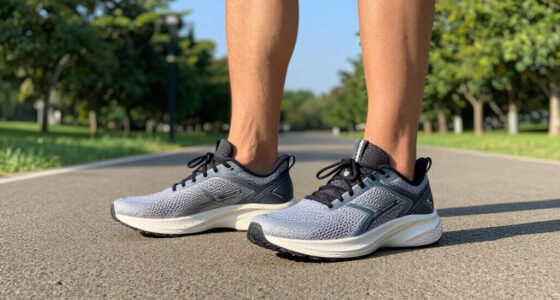
Training gear is your reliable workout partner. It’s built to last through hundreds of sessions, absorbing sweat and tackling wear and tear. Think of your favorite pair of workout shoes—they’re chunky, supportive, and ready for the miles ahead.
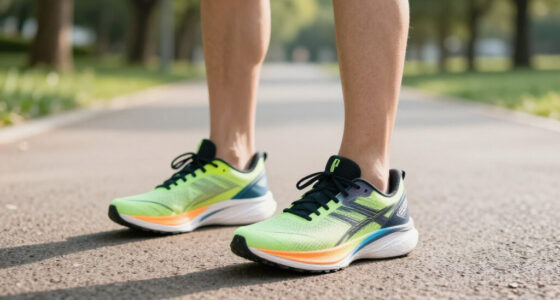
For example, a pair of running shoes used for daily runs will have thicker soles and reinforced stitching to withstand frequent pounding. Similarly, your practice jerseys are often made from durable, moisture-wicking fabrics that dry quickly and resist fading.
In essence, training gear prioritizes comfort and longevity, helping you push through tough sessions without worrying about the gear falling apart.
Why Game-Day Gear Is All About Speed and Safety
Game-day gear is like your race car’s sleek body — designed for maximum performance with minimal weight. It uses lightweight, high-tech fabrics that breathe better and move with you, reducing fatigue. Imagine slipping into a form-fitting jersey that feels like a second skin, or cleats that grip the turf with razor-sharp precision.
For instance, a football player wears cleats with specialized studs for traction, and a swimmer opts for a streamlined swimsuit that cuts through water. These items often meet strict league standards, ensuring safety and uniformity during competition.
Choosing the right game-day gear means understanding that every ounce of weight saved and every detail in safety features can be the difference between winning and losing. High-performance gear can enhance your speed and agility but might come at a higher cost and sometimes less durability for repeated use. The tradeoff is that while game gear is optimized for peak performance, it may wear out faster or require more careful maintenance, emphasizing the importance of proper care and timely replacement.
Training Gear vs. Game-Day Gear: The Side-by-Side Comparison
| Feature | Training Gear | Game-Day Gear |
|---|---|---|
| Purpose | Build strength, endurance, and skill; develop foundational techniques and habits that prepare you for peak performance. The focus is on consistent, long-term improvement, often sacrificing some lightweight qualities for durability. | Maximize performance, speed, and safety during competition. It aims to give you every competitive edge, often through innovative, lightweight, and aerodynamic materials that can enhance agility and reaction times. The tradeoff is that these materials may be less durable over time. |
| Materials | Durable, moisture-wicking, heavy-duty fabrics designed to withstand repeated use and washing, emphasizing longevity over lightness. | Lightweight, high-tech, aerodynamic fabrics engineered to reduce drag, improve breathability, and support rapid movement, sometimes incorporating sensors or impact-absorbing layers. |
| Design Focus | Comfort, durability, and the ability to withstand rigorous training routines. This ensures consistent performance without frequent replacement. | Speed, precise fit, and adherence to safety standards. The design aims to optimize athletic performance under competitive conditions, often sacrificing some durability for enhanced performance features. |
| Cost | Lower, suited for daily use and repeated washing, making it accessible for regular training routines. | Higher, often customized or incorporating advanced technology, reflecting its specialized purpose and materials. |
| Examples | Practice jerseys, training shoes, protective pads, sweatbands. | Game jerseys, cleats, impact-resistant helmets, compression gear, performance-enhancing accessories. |
What’s New in Sports Gear? The Latest Tech and Trends
Sports gear keeps evolving fast. Smart textiles that track performance, eco-friendly materials, and impact-absorbing pads are now common. For example, some modern jerseys include sensors that monitor heart rate or muscle strain—helping you train smarter.
Customization is also on the rise, with players opting for personalized colors, logos, or fit. Additionally, brands are leaning toward sustainable fabrics to reduce environmental impact, making your gear not just performance-enhancing but eco-conscious too.
Staying current with these advances means your equipment can give you a real edge—whether in training or during the big game.
Key Facts About Gear Durability and Regulations
Did you know that training gear can last 2-3 times longer than game-day gear? That’s because game gear often needs to meet strict league standards, especially for safety. For example, helmets for football must pass impact tests, while soccer cleats must adhere to specific stud measurements.
Choosing gear that meets these standards is vital to avoid penalties or injuries. High-tech game gear can cost 30-50% more than training gear, reflecting its specialized design and materials. This cost difference also signifies the importance of understanding the tradeoffs: investing in high-quality game gear can improve safety and performance but requires careful maintenance and timely replacement to ensure continued effectiveness.
Your Top 4 Questions About Choosing the Right Gear
- Can I wear training gear for game day? Usually not. Training gear isn’t designed for the rigors of competition or regulatory standards and might compromise safety or performance. Using inappropriate gear can lead to increased risk of injury or penalties, as it may not meet league safety standards or be optimized for quick, high-impact movements.
- What should I look for in game-day gear? Prioritize proper fit, safety features, compliance with league rules, and lightweight materials that won’t weigh you down. Understanding the specific demands of your sport helps identify gear that enhances performance without sacrificing safety or comfort.
- Are specialized training gear benefits worth it? Yes. It can help you simulate game conditions, improve specific skills, and reduce injury risks. Investing in quality training gear can lead to better muscle memory, technique refinement, and injury prevention, ultimately translating into improved performance during actual competitions.
- How often should I replace my gear? Replace worn-out training gear every season or when it loses its fit. For game gear, replace immediately if damaged or outdated, because compromised equipment can jeopardize safety and performance. Regular inspection ensures your gear remains effective and compliant with safety standards.
- What are the latest gear innovations? Smart textiles, eco-friendly fabrics, and impact-absorbing tech are leading the way in sports gear evolution. These innovations aim to enhance athlete safety, optimize performance, and reduce environmental impact, making your gear smarter and more sustainable.