
TL;DR
Athletic backpacks for students are larger, feature-rich, and built for durability. They blend style with function, often including compartments for sports gear and tech, making them perfect for school and sports activities.
Imagine your typical school morning—books, lunch, a water bottle, maybe a pair of cleats or a basketball. Now, picture lugging that all around in a bag that’s just not built for the load. That’s where athletic backpacks for students come in. They’re not just bigger—they’re smarter, tougher, and designed to handle the daily chaos of school and sports.
In this guide, you’ll learn what makes a great athletic backpack, what recent innovations are changing the game, and how to pick one that truly fits your needs. Because a well-chosen pack isn’t just about carrying gear—it’s about making your day smoother and more comfortable.
Choose a backpack with multiple compartments and a ventilated shoe section for better organization and odor control.
Prioritize durability—look for water-resistant fabrics, reinforced seams, and quality zippers to withstand daily wear.
Fit matters. Measure torso length and try on different models to find the most comfortable and supportive pack.
Stay updated on tech and eco trends—features like USB ports and recycled materials add value and sustainability.
Invest wisely. Spending a little more on quality saves money later and keeps your gear in top shape.
What Makes an Athletic Backpack Perfect for Students?
Athletic backpacks for students are designed to do more than hold textbooks. They’re built for durability, comfort, and organization. Think of them as the Swiss Army knives of bags—ready for anything.
For instance, a student heading to soccer practice needs space for cleats, a towel, and water bottles. A backpack with multiple compartments helps keep gear separate—clean shoes away from electronics, wet clothes apart from dry ones.
The size matters, too. Typically, these packs are larger than regular backpacks—ranging from 20 to 30 liters—to accommodate sports gear without feeling bulky. And padded straps coupled with ergonomic back panels make those long walks or bus rides less of a strain.
Why Durability Matters More Than You Think
Durability isn’t just a buzzword—it’s the backbone of a good athletic backpack. These bags endure daily wear, from scuffed shoes to spilled drinks. Materials like polyester, nylon, or canvas aren’t just trendy—they’re tough.
Take a student who bikes to school, rain or shine. Their backpack faces splashes, dirt, and constant tugging. Reinforced seams and high-quality zippers keep everything intact, saving you from the hassle and expense of replacements.
A real-world example? Nike’s Elite line uses water-resistant fabric and double-stitched seams, making it a favorite among student athletes for lasting through season after season.
Beyond the immediate benefits, investing in durable materials means your backpack can withstand the rigors of active lifestyles, reducing the need for frequent replacements. This not only saves money but also minimizes environmental impact by reducing waste. Choosing reinforced stitching and high-quality zippers can be the difference between a bag that lasts a season and one that endures for years, making durability a crucial factor in long-term value.
Understanding why durability is so critical helps you prioritize quality over cheaper, less reliable options. A durable backpack isn’t just about longevity—it’s about ensuring your gear and your back are protected from the stress of daily use, which can prevent injuries and inconvenience over time. The tradeoff often involves paying a little more upfront, but the long-term savings and peace of mind are well worth it.
Top 5 Features to Look for in an Athletic Backpack
| Feature | Why It Matters |
|---|---|
| Multiple compartments | Keep gear organized and accessible, especially for sports shoes, water bottles, and electronics. Well-organized compartments prevent clutter, saving time during busy mornings and reducing frustration when searching for specific items. They also help protect fragile electronics from being crushed by heavier gear, extending the lifespan of your devices. Proper compartmentalization minimizes the risk of damage and makes packing and unpacking more efficient, which is especially important during hurried mornings or after practice. |
| Ventilated shoe compartment | Prevents odor buildup and keeps shoes separate from clean items. Proper ventilation reduces bacteria and mold growth, which can cause unpleasant smells and potential health issues. Separating shoes from clothes and electronics maintains hygiene and extends the usability of your gear. This feature is crucial because it directly impacts the cleanliness and freshness of your belongings, and helps avoid the spread of bacteria that can lead to odors or infections. |
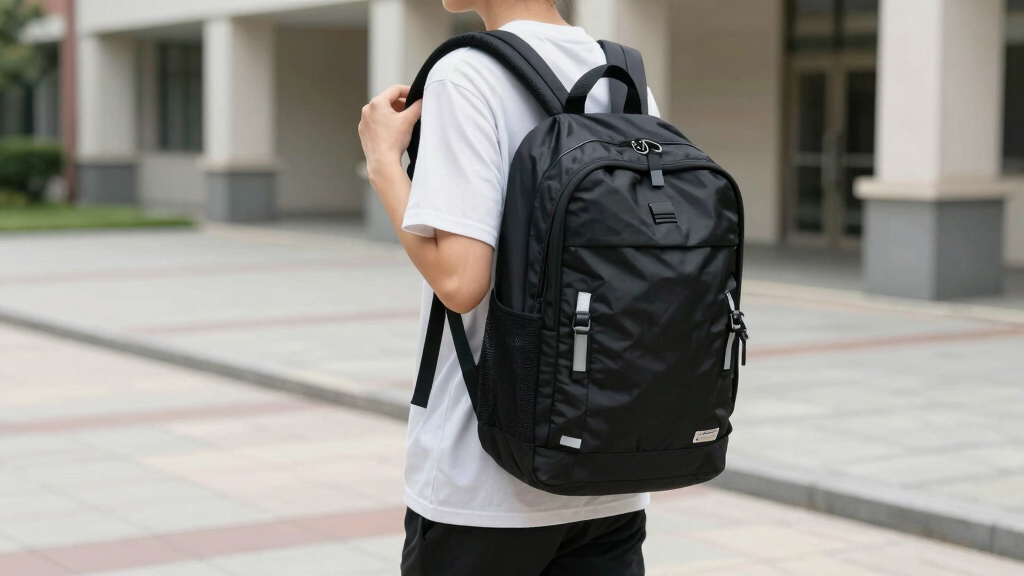
| Ergonomic straps & padded back | Distributes weight evenly, reducing strain during long days. Good ergonomic design minimizes pressure points, preventing back and shoulder pain, especially when carrying heavy loads. This promotes better posture and comfort, encouraging regular use without discomfort. Properly designed straps and padding also reduce fatigue, making it easier for students to carry their gear for longer periods without risking musculoskeletal issues. The tradeoff may involve slightly higher costs, but the health benefits and increased comfort justify the investment. |
| Water-resistant material | Protects gear from rain and spills—crucial for outdoor activities. Water-resistant fabrics safeguard electronics and clothing, preventing damage and mold. They also provide peace of mind during unpredictable weather, allowing students to focus on their activities rather than worrying about soggy belongings. Choosing this feature means less concern about weather conditions, which is especially valuable for students who bike or walk in variable climates. The tradeoff could be increased weight or cost, but the protection it offers is often worth it. |
| Reflective elements | Enhances visibility during early morning or evening workouts and commutes. Increased visibility reduces the risk of accidents, especially in low-light conditions. Reflective accents are a simple yet effective safety feature that can make a significant difference in staying safe during outdoor activities. Integrating reflective elements can sometimes add to the cost or design complexity, but the safety benefits are crucial for active students who travel during dawn or dusk. |
Choosing a backpack with these features isn’t just about comfort; it’s about safety, longevity, and efficiency. For example, a student athlete who trains early in the morning benefits from reflective elements, while a commuter values water resistance and ventilation to keep gear dry and fresh. Prioritizing these features helps ensure your backpack meets both your functional needs and safety concerns, making it a smarter investment overall.
The Latest Tech and Eco-Friendly Trends in Student Backpacks
Athletic backpacks are getting smarter and greener. Many now feature built-in USB ports for charging devices on the go—perfect for students who live on their phones. Some have RFID-blocking pockets to keep student IDs and cards safe from digital theft.
Eco-conscious brands are leading the charge, using recycled fabrics and sustainable manufacturing. Imagine a backpack made from plastic bottles turned into fabric—an eco-friendly choice that still offers rugged durability.
Personalization options are also growing. Students can add patches, embroidery, or modular accessories to stand out while keeping their gear organized.
These innovations aren’t just cool—they’re practical. A student who needs to stay connected during practice or prefers a bag that aligns with their values will find options that fit.
Integrating tech features like USB ports ensures students can keep their devices charged during long days, reducing the need to carry extra power banks. Eco-friendly materials not only lessen environmental impact but often lead to lighter, more sustainable products that appeal to conscious consumers. Personalization options foster individual expression, making the backpack a reflection of the student’s personality and values, which can boost pride and ownership of their gear.
Understanding these innovations helps you select a backpack that enhances daily convenience while promoting sustainability. The tradeoff might involve slightly higher costs or limited availability, but the benefits of tech integration and eco-responsibility often outweigh these considerations, especially for environmentally conscious students.
How to Pick the Perfect Fit for Your Student
Choosing the right size and style starts with understanding what your student needs. Think about the gear—how much space do they require? Do they carry shoes, pads, or a water bottle daily?
Measure their torso length if possible. A backpack that sits too high or too low can cause discomfort, especially during long walks or bike rides.
Here’s a quick step-by-step to find the best fit:
- Ask your student to try on different packs with weight inside—nothing beats feeling the fit.
- Check that the shoulder straps sit comfortably without digging in.
- Ensure the pack’s bottom rests just above the hips—too low or high causes strain.
- Verify that the backpack has enough compartments for their gear.
- Pick a style that matches their personality—colors, patterns, branding.
Remember, a properly fitted backpack prevents back pain and makes carrying gear feel effortless. The right fit also encourages consistent use, which helps maintain good posture and prevents injuries over time. Taking the time to measure and try different styles ensures your student’s comfort and health, making it a crucial step in selecting their ideal backpack.
Balancing Price and Quality — What’s Worth Your Money?
Athletic backpacks for students come in a wide price range—from around $30 to over $100. The trick is knowing what features justify the cost.
For instance, a $60 backpack with water-resistant fabric, reinforced seams, and ergonomic straps offers much better longevity than a cheaper option that might fall apart after a few months.
Brands like Nike, Adidas, and Under Armour offer models in this range, blending style and function. If you’re on a budget, look for sales or opt for reputable brands known for durability.
Remember, investing a little more upfront often saves money long-term by avoiding replacements and repairs. Higher-quality backpacks tend to have better construction, more durable materials, and additional features that enhance usability, making them a smarter investment over time.
Additionally, weighing the initial cost against potential long-term savings is essential. A cheaper backpack might seem like a good deal at first but could require frequent replacements, leading to higher expenses over the years. Conversely, investing in a higher-quality pack with reinforced features and better materials can provide peace of mind and value, especially when considering the wear and tear from active daily use.
How to Keep Your Backpack Clean and Ready for Action
Maintaining an athletic backpack isn’t complicated. Most are spot-cleaned with a damp cloth and mild soap. For tougher stains, check the manufacturer’s care instructions.
Regularly empty and shake out dirt or debris. Air out wet shoes or clothes to prevent mold and odor buildup.
For deeper cleaning, some backpacks can be hand-washed in cold water. Avoid machine drying—air dry instead to preserve fabric and zippers.
A clean, well-maintained backpack lasts longer and keeps gear smelling fresh—a small effort that pays off day after day.
Regular maintenance also helps identify potential issues early, such as frayed straps or damaged zippers, allowing for timely repairs that extend the life of the bag. This proactive approach ensures your backpack remains in top condition, safeguarding your investment and keeping your gear in optimal shape for every activity.
Remember, neglecting regular cleaning and inspections can lead to faster wear and tear, which might compromise the integrity of the bag and your gear. Taking a few minutes each month to care for your backpack can significantly extend its lifespan and ensure it continues to serve you well throughout the school year and beyond.
Frequently Asked Questions
What features should I look for in an athletic backpack for my child?
Focus on durability, size, multiple compartments, padded straps, and safety features like reflective elements. These ensure the backpack can handle daily sports gear and school essentials comfortably.Are there backpacks suitable for both sports and daily school use?
Absolutely. Many models are designed to be versatile—combining athletic features with stylish looks—making them perfect for both gym days and classroom routines.How do I choose the right size for my student?
Measure their torso length and consider how much gear they carry daily. Try on different packs with weight inside to see what sits comfortably on their back without causing strain.Are eco-friendly options available?
Yes. Several brands now produce backpacks from recycled fabrics or sustainable materials, combining environmental responsibility with durability and style.What is the average price range for quality athletic backpacks?
Generally, quality models cost between $30 and $100, depending on features and brand. Investing a bit more often results in better longevity and comfort.Conclusion
Your perfect athletic backpack isn’t just about size or brand—it’s about how well it fits your lifestyle. Pick one that’s durable, organized, and comfortable, and it becomes a true teammate in your busy days. Remember, a good bag makes everything easier, from morning runs to after-school sports.
So, next time you shop, think beyond the look. Focus on features, fit, and future-proofing. Your back (and your gear) will thank you.