
TL;DR
Personal trainer and Pilates instructor Jill Brown says people in their 40s and 50s may find a familiar workout routine no longer produces the results they expect. She points to changes in daily movement and lifestyle, hormones as a possible factor, and adaptation to repetitive exercise; her suggestions include gradually adjusting workout volume, intensity or type.
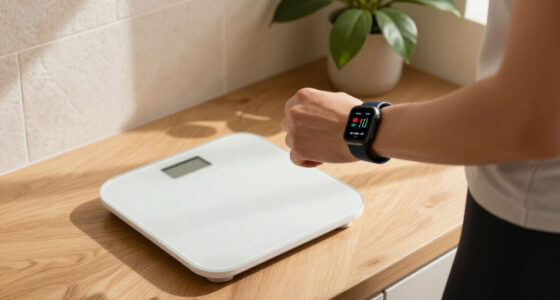
Personal trainer and Pilates instructor Jill Brown says some people in their 40s and 50s notice weight gain or less progress despite sticking with their usual workouts. In a report by Fit&Well, Brown links the change to factors including lower daily movement, lifestyle changes and the body adapting to repeated exercise, and recommends adjusting routines gradually rather than simply doing more of everything.
Brown told Fit&Well that she often hears from people who have followed the same exercise plan for years and then feel it stops working as they reach midlife. She said they may report exercising as much as before—or more—while gaining weight. The report does not present these experiences as a universal pattern or establish that age alone causes the change.
Brown identified reduced everyday movement and broader lifestyle changes as common explanations for lower daily calorie expenditure. She also said hormones can play a part, but the supplied report gives no specific hormonal measurements or estimates of how much each factor contributes. These are her explanations, not findings from a study described in the article.
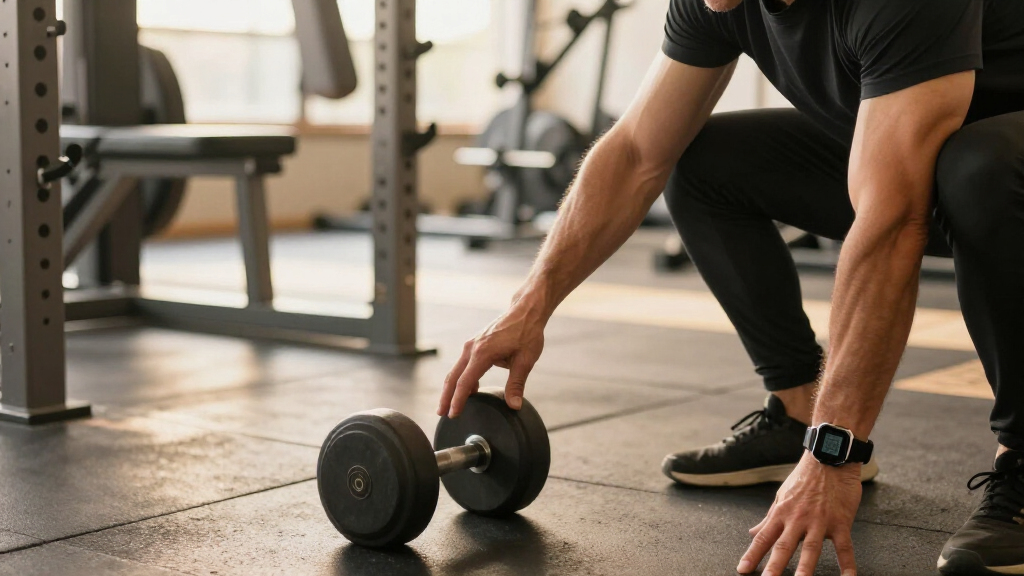
She also pointed to a fitness plateau: a workout that once felt demanding may become comfortable as the body adapts. Brown suggests adding 10 to 15 minutes to a session, adding a weekly workout, or increasing everyday activity with more steps or a longer walk. Other options include using heavier weights, adding faster intervals to a walk or doing more repetitions. She advises changing volume or intensity one at a time and giving the body time to adjust.
Adjusting a Midlife Workout
Brown’s advice addresses a common practical frustration: people may interpret stalled progress as a reason to abandon exercise, when a familiar routine might instead need an adjustment. Her suggestions offer several ways to change a plan, including increasing total activity outside the gym or varying the demands of a workout.
The recommendations are not a guarantee of weight loss. Weight and fitness outcomes depend on individual circumstances, and the report does not quantify the effect of any one adjustment. The distinction matters: a plateau or weight change does not, by itself, show that a person is exercising incorrectly or that age is the sole cause.
Brown’s caution against raising workout volume and intensity at the same time also gives readers a measured approach. Making one change at a time can make it easier to judge how a routine feels and avoid abruptly increasing its demands.
How Exercise Adaptation Fits
Exercise plans can feel easier with repetition as the body becomes accustomed to the activity. Brown describes this adaptation as one reason a routine may no longer feel challenging, particularly when its exercises and demands have not changed for a long period.
The Fit&Well report focuses on Brown’s experience and recommendations. The supplied material does not include a research study, medical guidance or data comparing exercise responses by age. Its discussion of hormones is brief, and it does not identify particular hormonal changes. Readers should treat the explanations as a trainer’s account of possible factors, not a diagnosis of an individual’s weight or fitness changes.
““Your body adapts to the workouts that you do, so if you don’t change your workouts regularly, you’ll stop seeing progress.””
— Jill Brown, as quoted by Fit&Well
What the Report Does Not Establish
The supplied article does not provide research data showing how commonly workouts become less effective in people in their 40s or 50s, or how much age, daily movement, lifestyle or hormones account for any change. It also does not specify the individual circumstances behind the weight gain described by Brown’s clients.
There is no reported comparison of the suggested adjustments or evidence in the supplied material that one is more effective than another. The report also does not set out individualized medical or training advice. Readers experiencing unexpected weight changes, pain or other health concerns may need guidance from a qualified health professional.
Making Changes Gradually
Brown’s practical next step is to identify whether a routine has become comfortable, then try one adjustment: a small increase in workout time, a modest change in intensity, more everyday walking or a different exercise. Her advice is to let the body adapt before adding another challenge, rather than increasing both duration and intensity at once.
The report describes general options, not a personalized program or a scheduled follow-up. It does not say what results a reader should expect or how quickly they might appear. Any change should be suited to the individual’s fitness level and circumstances.
Key Questions
Why might familiar workouts feel less effective in your 40s or 50s?
Trainer Jill Brown told Fit&Well that lower daily movement and lifestyle changes can reduce calorie expenditure, while hormones may also play a part. She said the body can adapt to repeated exercise. The report does not establish that these factors affect everyone or measure their relative effects.
What changes does Brown suggest trying?
She suggests adding 10 to 15 minutes to a workout, adding one session per week, increasing daily steps or taking a longer walk. Other options include raising weights, adding faster sections to a walk or doing more repetitions.
Should workout duration and intensity increase together?
No. Brown advises against increasing volume and intensity at the same time. She recommends allowing the body to adjust to one new challenge before adding another.
Does the report prove that age causes weight gain?
No. It reports Brown’s observations and explanations, but the supplied material does not include a study establishing that age itself causes weight gain or that the same factors apply to every person.
Source: rss