
TL;DR
Trainer and liftCLINIC CEO Amanda Lim shared a sample week combining strength training, cardio, walking, yoga and postpartum core rehabilitation. She advises measuring progress through factors such as lifting performance and muscle mass rather than relying on scale weight as a measure of health.
Trainer and liftCLINIC CEO Amanda Lim has shared a sample of her weekly exercise routine, combining strength sessions, cardio, walking and recovery work, alongside advice to separate scale weight from an assessment of health. The report describes her approach as a practical mix of training rather than a routine built around complex exercises or fitness trends.
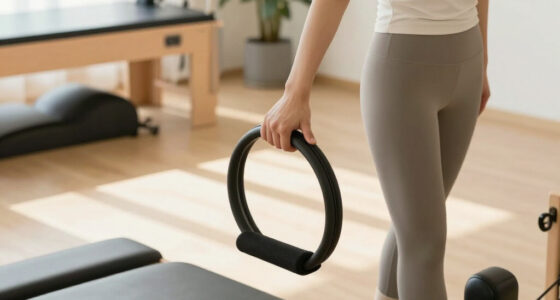
Lim, 43, has worked as a trainer for more than 20 years and leads liftCLINIC, which the report describes as a metabolic health center focused on longevity. She is also a mother of three. Her routine includes pelvic-floor and deep-core work, as well as postpartum rehabilitation, which she says she continues to treat as part of her longer-term fitness strategy.
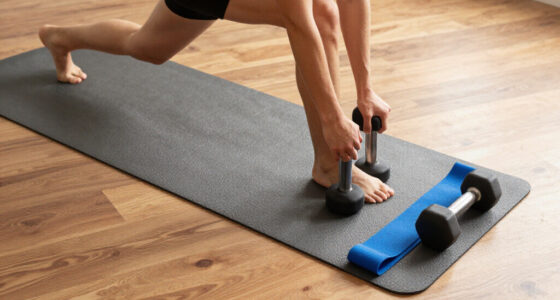
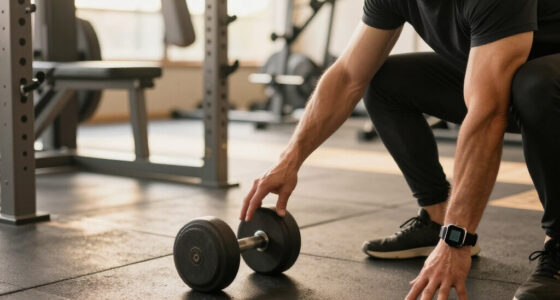
Her sample week starts with a leg-focused strength session on Monday and upper-body strength on Tuesday. Wednesday is set aside for postpartum core rehabilitation, followed by walking for active recovery on Thursday. Friday includes running intervals in the morning and yoga in the evening; Saturday is a power-focused workout, and Sunday a zone two run. The schedule is an example of Lim’s own week, not a stated prescription for every reader.
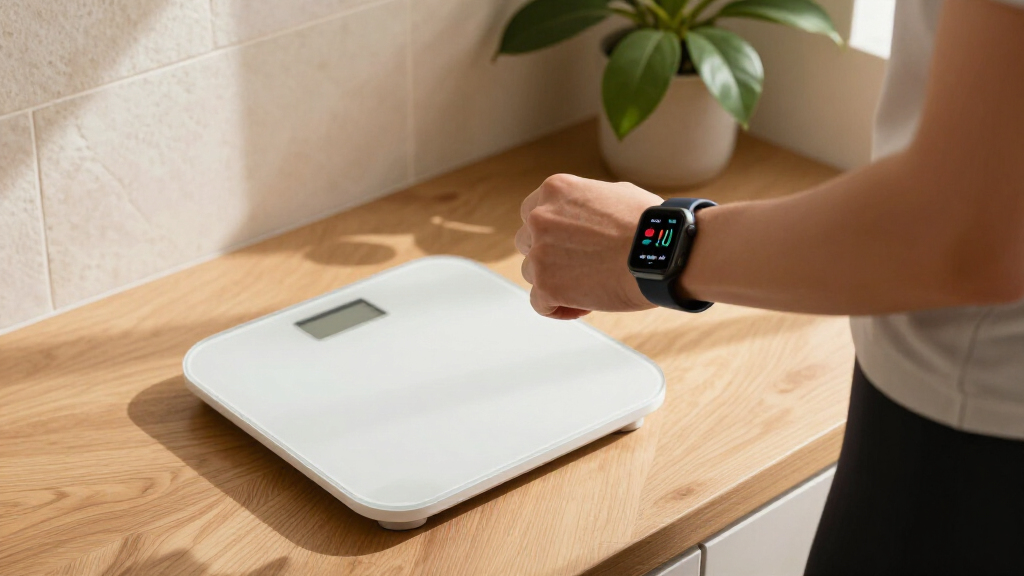
Lim says she monitors her progress through measures including the weights she lifts and her muscle mass, rather than using the scale as her main gauge. Her other recommendations are to take advantage of beginner gains, learn new movement skills, start with walking and practice self-compassion when routines are disrupted.
Progress Beyond Scale Weight
Lim’s advice addresses a common distinction in fitness: body weight and health are not interchangeable measures. She argues that the number on a scale does not by itself show changes in strength or muscle mass, and suggests tracking training performance or other relevant measures instead. The report does not present clinical evidence or a personalized medical assessment, so her comments are best understood as her approach and guidance as a trainer.
The routine also shows how Lim combines different kinds of activity across the week, including resistance work, aerobic exercise and recovery. For readers, the practical point is not that they should copy her seven-day schedule, but that regular movement can include varied activities and can be adapted to an individual’s circumstances. People with health concerns or who are returning to exercise after pregnancy may need advice suited to their own needs.
Her emphasis on starting small may also make exercise feel more attainable for beginners. Lim recommends a five-minute walk as a starting point when someone is not currently active. That is her suggestion, not a guarantee of success or a substitute for individualized guidance.
A Routine Built Around Longevity
The Fit&Well report frames Lim’s approach around functional strength, zone two cardio and daily steps. Her week adds higher-intensity running intervals, a power-focused session, yoga and a recovery walk. The published schedule lists planned activities and times; it does not provide training durations, exercise selections, intensity targets or details about how Lim adjusts the program from week to week.
Lim connects her ongoing core and pelvic-floor work with both postpartum recovery and the life stage she describes as approaching perimenopause. She says some experiences associated with postpartum can return during that period. That is her personal perspective; the report does not offer medical findings about how common those experiences are or establish that they apply to all women.
She also points to six commonly cited lifestyle-medicine pillars: nutrition, sleep, physical activity, stress management, social connection and reducing exposure to harmful substances. Lim calls self-compassion a seventh pillar, describing it as a way to continue after falling short of personal goals. That wording is her framing, rather than a formally established addition identified by the report.
“We have to separate the number on the scale—the weight of our bodies—from the assessment of our health, because those two things don’t typically track beautifully together.”
— Amanda Lim, trainer and liftCLINIC CEO
Limits of the Published Routine
The report presents Lim’s personal routine and recommendations; it does not provide research comparing scale weight with other health measures or verify the results of her approach. It is also unclear how long each workout lasts, what exercises or loads she uses, and how she schedules rest beyond the listed active-recovery walk and yoga.
The source does not say whether this weekly plan is typical year-round, how it changes with her workload or recovery, or whether it is intended for clients at liftCLINIC. It provides no individualized training guidance for beginners, people with injuries, or those recovering after childbirth. Lim’s comments about postpartum experiences and perimenopause are not accompanied by clinical evidence in the report.
Applying the Advice Safely
Fit&Well’s report offers the schedule as an example rather than announcing a new program or a forthcoming study. Readers interested in following its ideas can take from it the broad combination of strength work, aerobic activity and recovery, while adapting frequency and intensity to their fitness level and health needs. Beginners may benefit from starting gradually and seeking qualified coaching, particularly before adding demanding strength or interval sessions.
Anyone experiencing pain, pelvic-floor symptoms or concerns during postpartum recovery should consult a qualified health professional for individualized advice. The report does not set out a clinical protocol or provide specific follow-up milestones; no further development is stated in the source.
Key Questions
Who is Amanda Lim?
Lim is a 43-year-old trainer with more than 20 years of experience and the CEO of liftCLINIC, described in the report as a metabolic health center focused on longevity.
What does Lim’s weekly workout routine include?
Her sample week includes two strength sessions, postpartum core rehabilitation, a recovery walk, running intervals, yoga, a power-focused workout and a zone two run. The report does not give workout durations or detailed exercise plans.
Why does Lim recommend looking beyond scale weight?
Lim says scale weight and health do not necessarily track together. She says she follows measures such as lifting performance and muscle mass to assess her own progress; the report does not claim these measures provide a complete health assessment for everyone.
What does she suggest for people who are new to exercise?
Lim recommends beginning with a short walk, suggesting five minutes as a manageable starting point. People with health concerns or who are returning after an injury or pregnancy should seek advice appropriate to their circumstances.
Source: rss