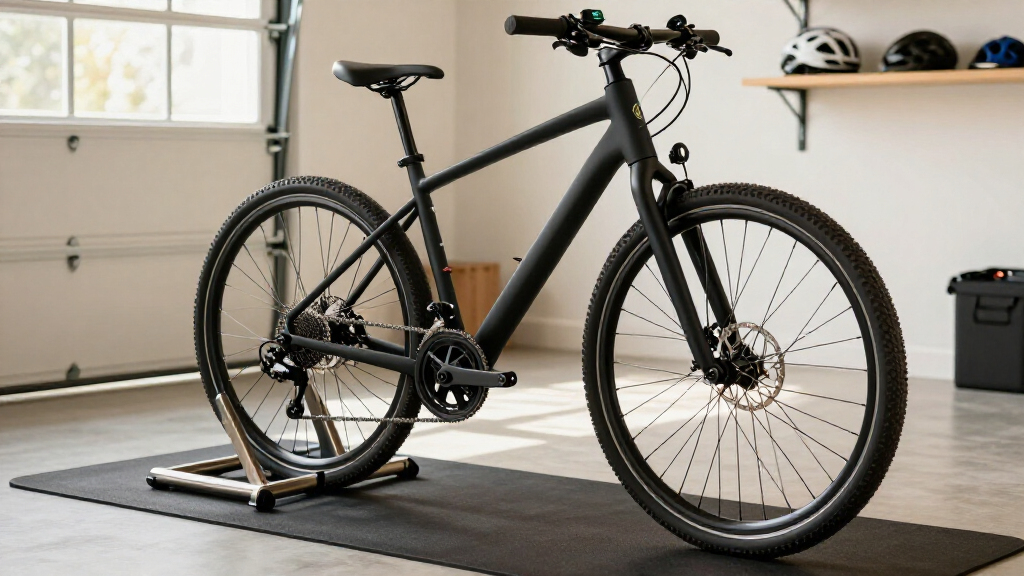

For riders seeking a balance of smart training features and everyday usability, I name the Saris M2 my best overall pick; the Garmin Tacx NEO 2T stands out for premium direct-drive training, while the Sportneer magnetic trainer is a simpler choice for getting started. These electric bike trainers range from basic wheel-on stands with manual resistance to connected smart trainers that adjust effort through compatible apps. The main tradeoffs are smart control versus simplicity, direct-drive stability versus wheel-on convenience, and broader compatibility versus a lower-maintenance setup. A trainer’s fit with your bike, axle, tire, and training software matters as much as its resistance type. Read on for how all 15 options compare and which compromises make sense for your riding.
Complete the kit


Key Takeaways
- The Saris M2 leads the lineup for balanced smart training: it offers app-connected electromagnetic resistance without the direct-drive setup of premium models.
- The Garmin Tacx NEO 2T and ThinkRider smart direct-drive models serve a different purpose from the magnetic and fluid stands: they prioritize connected workouts and a wheel-off setup.
- Several CXWXC, Alpcour, and FDW options share the wheel-on magnetic format, so buyers should compare resistance controls, fit, and storage needs rather than assume the names indicate distinct training experiences.
- Sportneer and VEVOR focus on practical entry-level use, with selectable resistance and foldable stand designs that favor straightforward indoor riding over app-led sessions.
- The Saris Fluid2 and Alpcour fluid model offer a non-smart alternative for riders who prefer progressive resistance without choosing a connected trainer.
| CXWXC Magnetic Bike Trainer for Indoor Cycling |  | Best Value for Simple Resistance Control | Brand: CXWXC | Model: MT-04RED | Resistance: Magnetic; 6 levels adjustable from handlebars | VIEW LATEST PRICE | See Our Full Breakdown |
| Alpcour Magnetic Indoor Bike Trainer Stand |  | Best for Portable Setup | Brand: Alpcour | Model: APC-BTSMBK | Resistance mechanism: Magnetic | VIEW LATEST PRICE | See Our Full Breakdown |
| Saris M2 Smart Indoor Electromagnetic Resistance Bike Trainer |  | Best for App-Connected Workouts | Brand and model: Saris M2 Smart Trainer | Resistance mechanism: Electronic electromagnetic | Accuracy: ±5% | VIEW LATEST PRICE | See Our Full Breakdown |
| Alpcour Fluid Bike Trainer Stand for Indoor Riding |  | Best for Progressive Resistance | Brand and model: Alpcour APC-BTSFBK | Resistance mechanism: Fluid | Resistance settings: 1 | VIEW LATEST PRICE | See Our Full Breakdown |
| CXWXC Magnetic Indoor Bike Trainer Stand |  | Best for Thru-Axle Compatibility | Brand: CXWXC | Type: Magnetic bike trainer | Wheel compatibility: 26–29 inches, including 700c | VIEW LATEST PRICE | See Our Full Breakdown |
| CXWXC Magnetic Bike Trainer Stand for Indoor Cycling |  | Best for Broad Wheel Compatibility | Brand: CXWXC | Model: MT-04YELLOW | Resistance levels: 6 | VIEW LATEST PRICE | See Our Full Breakdown |
| Sportneer Magnetic Indoor Bike Trainer Stand with 6 Resistance Levels |  | Best for a Stable Starter Setup | Model: TY-JS007-C | Wheel compatibility: 26–28 inches or 700C | Resistance mechanism: Magnetic | VIEW LATEST PRICE | See Our Full Breakdown |
| Garmin Tacx NEO 2T Smart Trainer |  | Best Premium Smart Trainer | Model: T2875.60 | Resistance: Magnetic, 32 neodymium magnets | Wireless connectivity: ANT+, Bluetooth | VIEW LATEST PRICE | See Our Full Breakdown |
| VEVOR Foldable Magnetic Bike Trainer, 6-Level Resistance, for 26–29 in and 700C Wheels |  | Best for a Lightweight Foldable Stand | Resistance levels: 6 | Resistance mechanism: Magnetic | Compatible wheel sizes: 26–29 inches and 700C | VIEW LATEST PRICE | See Our Full Breakdown |
| ThinkRider X2Max Smart Bike Trainer |  | Best for High-Intensity Virtual Rides | Model: X2Max | Power: Up to 2,000 W | Power accuracy: ±2% | VIEW LATEST PRICE | See Our Full Breakdown |
| FDW Magnetic Bike Trainer Stand with 5 Resistance Levels |  | Best Value for Basic Indoor Training | Resistance mechanism: Magnetic | Resistance levels: 5 | Frame material: Carbon steel | VIEW LATEST PRICE | See Our Full Breakdown |
| Saris Fluid2 Indoor Bike Trainer |  | Best for a Smooth, Road-Like Ride | Resistance mechanism: Fluid | Number of settings: 1 | Compatible bike types: Hybrid, mountain, and road bikes | VIEW LATEST PRICE | See Our Full Breakdown |
| Magnetic Indoor Bike Trainer Stand |  | Best for Handlebar-Controlled Resistance | Resistance mechanism: Magnetic | Resistance levels: 6, adjustable from handlebars | Compatible wheel sizes: 26–29 inches, including 700c | VIEW LATEST PRICE | See Our Full Breakdown |
| FDW Magnetic Bike Trainer Stand for Indoor Riding |  | Best for Common Road and Mountain Bike Fit | Resistance mechanism: Magnetic | Resistance settings: 5 | Compatible wheel sizes: 66 cm to 700c (69 cm) | VIEW LATEST PRICE | See Our Full Breakdown |
| ThinkRider XXPRO Smart Direct-Drive Bike Trainer |  | Best Premium Smart Trainer | Resistance mechanism: Electromagnetic | Maximum power: 2,500 watts | Maximum simulated gradient: 25% | VIEW LATEST PRICE | See Our Full Breakdown |
| electric bike trainer | Resistance mechanism |
|---|---|
| CXWXC Magnetic Bike Trainer fo | — |
| Alpcour Magnetic Indoor Bike T | Magnetic |
| Saris M2 Smart Indoor Electrom | Electronic electromagnetic |
| Alpcour Fluid Bike Trainer Sta | Fluid |
| CXWXC Magnetic Indoor Bike Tra | — |
| CXWXC Magnetic Bike Trainer St | — |
| Sportneer Magnetic Indoor Bike | Magnetic |
| Garmin Tacx NEO 2T Smart Train | — |
| VEVOR Foldable Magnetic Bike T | Magnetic |
| ThinkRider X2Max Smart Bike Tr | — |
| FDW Magnetic Bike Trainer Stan | Magnetic |
| Saris Fluid2 Indoor Bike Train | Fluid |
| Magnetic Indoor Bike Trainer S | Magnetic |
| FDW Magnetic Bike Trainer Stan | Magnetic |
| ThinkRider XXPRO Smart Direct- | Electromagnetic |
More Details on Our Top Picks
CXWXC Magnetic Bike Trainer for Indoor Cycling
The CXWXC MT-04RED suits riders who want a straightforward wheel-on trainer with resistance controls within reach. Its six handlebar-adjustable levels let me change effort without stopping to reach the unit, while the foldable frame and included riser block make storage and setup more manageable. Compared with the Saris M2 Smart Trainer, this model skips app connectivity and electronically controlled workouts, but also keeps the setup simpler for riders who only need basic indoor sessions. The stated 330-pound capacity is higher than the M2’s listed 300 pounds. The main compromise is tire noise: smooth tires are a better match, while knobby mountain-bike tires can add substantial sound and vibration. I’d choose it for uncomplicated training, not interactive workouts.
Pros:- Six resistance levels adjust from the handlebars
- Folds for storage between workouts
- Supports a listed maximum load of 330 pounds
- Fits 26–29-inch and 700c wheels
Cons:- Knobby mountain-bike tires can create considerable noise and vibration
- No smart connectivity or app-controlled workouts
Best for: Riders seeking a foldable, manually controlled trainer for steady indoor workouts on a bike with smooth tires
Not ideal for: Riders who want app-controlled resistance, quiet sessions on knobby tires, or connected training data
- Brand:CXWXC
- Model:MT-04RED
- Resistance:Magnetic; 6 levels adjustable from handlebars
- Wheel compatibility:26–29 inches, including 700c
- Maximum load:330 lbs
- Frame:Foldable
- Included components:Quick-release skewer, front wheel riser block, user guide, setup tools
Our verdict“Choose the CXWXC MT-04RED for basic, adjustable indoor riding and higher listed load capacity, but pick the Saris M2 if connected workouts matter more.”
Alpcour Magnetic Indoor Bike Trainer Stand
The Alpcour Magnetic Indoor Bike Trainer is a practical pick for riders who need to pack their trainer away or carry it between locations. Its foldable steel frame comes with a carrying bag, and the quick-lever setup is designed to avoid tools. Six resistance settings adjust from the handlebar controller, giving it similar basic ride control to the CXWXC MT-04RED. The distinction is portability: Alpcour includes a bag, while the CXWXC listing emphasizes its included mounting tools and higher stated load limit. This is still a tire-contact magnetic trainer, not a smart unit like the Saris M2, and its roller adds drag at the rear tire. Wheel compatibility is listed inconsistently across the supplied specifications, so I’d check fit before buying, especially for a 29-inch wheel.
Pros:- Six resistance settings controlled from the handlebar
- Folds and includes a carrying bag
- Quick-lever setup is specified as tool-free
- Wide base and anti-slip pads support a stable setup
Cons:- Listed wheel-size compatibility varies across the product information
- The magnetic roller creates contact and drag at the bike tire
- Does not offer the app connectivity of the Saris M2
Best for: Riders who want a foldable magnetic trainer with a carrying bag for storage or occasional transport
Not ideal for: Riders needing confirmed fit for a specific 29-inch wheel or seeking smart resistance and app connectivity
- Brand:Alpcour
- Model:APC-BTSMBK
- Resistance mechanism:Magnetic
- Resistance settings:6, with handlebar-mounted controller
- Wheel compatibility:Listed as 26–28 inches and 700c; also listed as 29 inches
- Material:Stainless steel
- Weight and dimensions:9.34 kg; 21.5 × 19 × 16.5 inches
- Included accessories:Front wheel riser block and carrying bag
Our verdict“Pick Alpcour for a portable, manually controlled trainer with a bag, but verify wheel fit and skip it if smart workouts are a priority.”
Saris M2 Smart Indoor Electromagnetic Resistance Bike Trainer
The Saris M2 Smart Trainer is the clear choice here for riders who want their indoor sessions linked to training apps. Its ANT+ FE-C and Bluetooth connectivity supports platforms such as Zwift, while electronic resistance gives apps a way to shape the workout rather than leaving every change to a handlebar dial. That sets it apart from the manual CXWXC MT-04RED and Alpcour Magnetic Indoor Bike Trainer, both of which focus on basic resistance settings. The M2 keeps the rear wheel on the bike, which simplifies setup compared with direct-drive systems, but the tire still contacts the roller. Its listed 69 dB at 20 mph may be disruptive in a quiet home, and its resistance accuracy is specified at ±5%. I’d favor it for connected training, not silence or laboratory-level precision.
Pros:- ANT+ FE-C and Bluetooth connect to indoor cycling apps
- Wheel-on design avoids removing the bike’s rear wheel
- Clutch knob helps maintain tire-to-roller contact
- Includes a steel quick-release skewer and one-month Rouvy subscription
Cons:- Specified resistance accuracy is ±5%
- Listed noise level is 69 dB at 20 mph
- Requires tire-to-roller contact rather than direct-drive mounting
Best for: Riders who want wheel-on convenience with app-connected workouts through Zwift or other compatible platforms
Not ideal for: Riders who need a quiet trainer, tighter specified resistance accuracy, or a setup that removes tire-to-roller contact
- Brand and model:Saris M2 Smart Trainer
- Resistance mechanism:Electronic electromagnetic
- Accuracy:±5%
- Connectivity:ANT+ FE-C and Bluetooth
- Noise level:69 dB at 20 mph
- Wheel size:29 inches
- Load capacity:300 lbs
- Dimensions and weight:22 × 20 × 9 inches; 20 lbs
- Included components:Smart indoor trainer, steel quick-release skewer; one-month Rouvy subscription
Our verdict“Choose the Saris M2 for app-connected wheel-on training, but favor a manual CXWXC or Alpcour model if you do not need smart control.”
Alpcour Fluid Bike Trainer Stand for Indoor Riding
The Alpcour Fluid Bike Trainer offers a different riding feel from the magnetic options in this group: its fluid resistance rises as you pedal faster, so effort changes with cadence without selecting one of six fixed settings. That makes it a good fit for riders who want a more self-directed workout and fewer adjustments mid-ride. Compared with the Alpcour Magnetic Indoor Bike Trainer, this model trades discrete resistance levels and a handlebar controller for progressive resistance. It also folds and includes a carrying bag, front riser block, anti-slip pads, and a dual-lock system. The tradeoff is that the supplied data lists only one resistance setting, and no app connectivity is specified. Despite noise-reduction claims, it may still make sound, so I would not treat it as a silent option for shared living spaces.
Pros:- Fluid resistance increases as pedaling speed rises
- Folds and includes a carrying bag
- Anti-slip pads and a dual-lock system support stability
- Includes a front wheel riser block
Cons:- No separate resistance levels or handlebar controller are specified
- May still produce sound during use despite noise-reduction claims
- Compatibility is described broadly and may not cover every bike wheel
Best for: Riders who prefer resistance that builds with pedaling speed instead of selecting preset magnetic levels
Not ideal for: Riders who want handlebar-controlled resistance, app integration, or a guaranteed quiet setup
- Brand and model:Alpcour APC-BTSFBK
- Resistance mechanism:Fluid
- Resistance settings:1
- Wheel compatibility:26–29 inches and 700c
- Frame material:Stainless steel
- Load capacity:300 lbs
- Dimensions:19 × 19 × 18 inches
- Included components:Bike trainer, front wheel riser block, carrying bag
- Warranty:2 years
Our verdict“Choose the Alpcour Fluid trainer for progressive, cadence-led resistance, but select its magnetic counterpart if you want preset levels and a handlebar controller.”
CXWXC Magnetic Indoor Bike Trainer Stand
This CXWXC magnetic trainer has the same practical six-level format as the MT-04RED, but its included thru-axle adapter gives it a clearer fit for riders whose bikes do not use a standard quick-release setup. It also includes a quick-release skewer, front wheel riser block, and tools, so the package addresses more mounting needs than the Alpcour Magnetic Indoor Bike Trainer, which is supplied with a riser block and carrying bag. Like the other CXWXC, it folds, supports a listed 330-pound maximum, and adjusts resistance from the handlebars. The compromise is familiar: this is a manual, tire-contact trainer with no app features, and rough mountain-bike tires can be loud. I’d choose this version over its CXWXC sibling when the adapter matches the bike’s axle; otherwise, they serve much the same basic training role.
Pros:- Includes a thru-axle adapter as well as a quick-release skewer
- Six resistance levels adjust from the handlebars
- Folds for storage and transport
- Supports a listed maximum weight of 330 pounds
Cons:- Rough mountain-bike tires may create substantial noise and vibration
- Manual resistance lacks the app connectivity of the Saris M2
- Thru-axle fit depends on the bike’s axle being compatible with the included adapter
Best for: Owners of compatible thru-axle bikes who want a foldable magnetic trainer with manual resistance control
Not ideal for: Riders seeking app-controlled workouts, low noise with knobby tires, or a trainer that avoids tire contact
- Brand:CXWXC
- Type:Magnetic bike trainer
- Wheel compatibility:26–29 inches, including 700c
- Resistance:6 levels, adjustable from handlebars
- Maximum supported weight:330 lbs
- Design:Folding
- Included components:Quick-release skewer, thru-axle adapter, front wheel riser block, user guide, setup tools
Our verdict“Choose this CXWXC over the MT-04RED when its included thru-axle adapter suits your bike; otherwise, the two offer similar basic training.”
CXWXC Magnetic Bike Trainer Stand for Indoor Cycling
I’d shortlist the CXWXC MT-04YELLOW for riders who want a straightforward wheel-on trainer that accommodates a wide range of bikes. Its fit for 26–29-inch and 700C wheels is broader than the Sportneer’s listed 26–28-inch and 700C range, which may matter if your bike has 29-inch wheels. Six resistance levels controlled from the handlebar let you change effort without stopping to adjust the stand. The folding frame and included riser block also make storage and basic setup less of a chore.
The tradeoff is typical of this style: tire noise and vibration can be a nuisance, especially with knobby mountain bike tires, so smooth tires are the better match. Unlike the Garmin Tacx NEO 2T, this is not a direct-drive smart trainer with wireless app connectivity. I’d choose it for simple indoor riding, not virtual training or finely controlled workouts.
Pros:- Fits 26–29-inch and 700C wheels
- Six resistance levels adjust from the handlebar
- Folding frame eases storage and transport
- Supports up to 330 pounds
Cons:- Knobby tires can create substantial noise and vibration
- Does not list wireless connectivity or smart-training features
Best for: Riders with 26–29-inch or 700C-wheel bikes who want a foldable trainer and handlebar-adjustable resistance for basic indoor sessions.
Not ideal for: Riders seeking app-controlled workouts, direct-drive operation, or a quiet setup with knobby tires.
- Brand:CXWXC
- Model:MT-04YELLOW
- Resistance levels:6
- Wheel compatibility:26–29 inches, including 700C
- Maximum supported weight:330 pounds
- Design:Folding
- Included components:Quick-release skewer, front wheel riser block, user guide, setup tools
Our verdict“Choose the CXWXC if broad wheel fit and simple, foldable indoor training matter more than quiet operation or smart features.”
Sportneer Magnetic Indoor Bike Trainer Stand with 6 Resistance Levels
The Sportneer TY-JS007-C suits riders who want a conventional magnetic trainer with a few practical stability touches. Its wide base and adjustable anti-slip feet help it sit securely on indoor flooring, while the handlebar remote changes among six resistance levels without requiring a dismount. The included quick-release skewer and front wheel block make the basic setup more complete than a stand sold without those pieces.
Compared with the CXWXC MT-04YELLOW, the Sportneer lists a narrower wheel range—26–28 inches or 700C—and a lower 300-pound load capacity, so check compatibility before buying. It is also a wheel-on magnetic trainer, not a smart direct-drive option like the Garmin Tacx NEO 2T. Tire type affects noise, and riders with thru-axle bikes need a separately selected version and adapter. I’d favor it for a stable, simple setup, not broad compatibility or virtual training.
Pros:- Six resistance levels adjust via a handlebar-mounted remote
- Wide base and adjustable anti-slip feet support stability
- Includes a front wheel block and quick-release skewer
- Lists a one-year warranty
Cons:- Listed wheel compatibility does not include 29-inch wheels
- Thru-axle setup requires a separately selected version and adapter
- Noise varies with tire material and tread
Best for: Road and mountain bike riders with compatible 26–28-inch or 700C wheels who want a stable wheel-on trainer with handlebar resistance control.
Not ideal for: Riders with 29-inch wheels, bikes above the 300-pound supported load, or thru-axle bikes unwilling to source the required version and adapter.
- Model:TY-JS007-C
- Wheel compatibility:26–28 inches or 700C
- Resistance mechanism:Magnetic
- Resistance levels:6
- Load capacity:300 pounds
- Item weight:19.3 pounds
- Dimensions:22 × 22 × 15.5 inches
- Warranty:1 year
Our verdict“Pick the Sportneer for a stable, conventional trainer if your bike fits its listed wheel range and you do not need smart connectivity.”
Garmin Tacx NEO 2T Smart Trainer
The Garmin Tacx NEO 2T is the most capable training platform in this group for riders who want connected workouts and a more immersive indoor ride. Its direct-drive design removes the rear tire from the resistance unit, avoiding the tire-noise tradeoff that affects wheel-on picks such as the CXWXC and Sportneer. Redesigned magnets are described as quieter and more responsive, while ANT+ and Bluetooth support a broad range of training devices and operating systems. The included axle adapters and free hub also make it a more ready-to-configure smart option than the ThinkRider X2Max, which does not include a cassette.
That capability comes with a practical cost: at 47.4 pounds, the Tacx is heavy to move, even though it folds. It also asks more of a rider than a basic magnetic stand, including a compatible drivetrain setup and a preference for app-based indoor sessions. I’d select it for a serious connected setup, not occasional casual spinning.
Pros:- Direct-drive setup avoids wheel-on tire contact
- ANT+ and Bluetooth connectivity support connected training
- Compatible with iOS, Android, macOS, and Windows
- Includes multiple axle adapters and a front wheel support
Cons:- Weighs 47.4 pounds, making frequent relocation inconvenient
- More involved and specialized than a basic wheel-on magnetic stand
Best for: Dedicated indoor cyclists who want ANT+ and Bluetooth training, broad operating-system support, and direct-drive operation across compatible axle standards.
Not ideal for: Riders who need a lightweight trainer to move frequently or want a simple wheel-on stand for occasional rides.
- Model:T2875.60
- Resistance:Magnetic, 32 neodymium magnets
- Wireless connectivity:ANT+, Bluetooth
- Compatible operating systems:iOS, Android, macOS, Windows
- Weight:47.4 pounds
- Foldable:Yes
- Axle compatibility:130 mm QR, 135 mm QR, 12 × 142 mm thru-axle, 12 × 142 mm Boost
- Included components:Front wheel support, power cable, quick-release skewer, thru-axle skewer, free hub, axle adapters, 1-month Tacx Premium software
Our verdict“Choose the Tacx NEO 2T if connected direct-drive training is your priority and its heavy frame will stay mostly in one place.”
VEVOR Foldable Magnetic Bike Trainer, 6-Level Resistance, for 26–29 in and 700C Wheels
The VEVOR foldable magnetic trainer is a practical choice for riders who want a wheel-on stand that is easier to move and store than the heavier models here. At 17.3 pounds, it is lighter than the Sportneer at 19.3 pounds, and its folding frame keeps it suited to rooms where the bike cannot stay set up. Six magnetic resistance levels cover basic changes in effort, while the included quick-release lever and front wheel riser reduce the need to source common setup pieces separately.
Its 26–29-inch and 700C fit matches the broader range of the CXWXC, and both list a 330-pound capacity. The VEVOR’s stated drawback is noise or vibration during riding; like the other wheel-on magnetic stands, it does not offer the direct-drive experience or wireless training features of the Garmin Tacx NEO 2T. I’d pick it for a portable, uncomplicated setup, not a quiet smart-training station.
Pros:- Relatively light at 17.3 pounds
- Folding frame helps with storage and transport
- Fits 26–29-inch and 700C wheels
- Includes a quick-release lever and front wheel riser block
Cons:- May produce noise or vibration while riding
- No wireless connectivity or smart-training functions are listed
Best for: Riders who need a relatively light, folding wheel-on trainer for compatible 26–29-inch or 700C bikes and limited storage space.
Not ideal for: Cyclists prioritizing quiet operation, app-connected workouts, or direct-drive resistance instead of tire-on-roller training.
- Resistance levels:6
- Resistance mechanism:Magnetic
- Compatible wheel sizes:26–29 inches and 700C
- Load capacity:330 pounds (150 kg)
- Frame material:Q235 carbon steel
- Item weight:17.3 pounds
- Dimensions:23.23 × 21.85 × 16.14 inches
- Included components:Bike trainer, extended quick-release lever, front wheel riser block, user manual
Our verdict“Choose the VEVOR if low weight, folding storage, and broad wheel fit are more useful to you than quiet or connected training.”
ThinkRider X2Max Smart Bike Trainer
The ThinkRider X2Max targets riders who want a smart trainer capable of harder efforts and simulated climbs without moving up to the Garmin Tacx NEO 2T. It supports ANT+ and BLE and cycling software such as Zwift, with listed output up to 2,000 watts and slope simulation up to 18%. Its electromagnetic resistance and stated ±2% power accuracy are a substantial step beyond the six fixed levels on the CXWXC or VEVOR wheel-on stands, giving connected workouts more room to shape effort.
The fit information is a major limitation: the listed wheel size is 26 inches, while the Tacx provides several axle standards and broader stated compatibility. The X2Max also supports up to 240 pounds, and its cassette is not included, so drivetrain setup may require an additional purchase. At about 58 dB at 30 km/h, it is not silent. I’d choose it for compatible bikes and app-based intervals, not broad fit or turnkey setup.
Pros:- ANT+ and BLE support cycling software such as Zwift
- Listed output reaches 2,000 watts with ±2% power accuracy
- Simulates slopes up to 18%
- I-beam frame is designed for stability
Cons:- Listed wheel size is limited to 26 inches
- Cassette is not included
- Listed load capacity is 240 pounds and operating noise is about 58 dB at 30 km/h
Best for: Riders with a compatible 26-inch bike who want ANT+ or BLE app-based workouts, simulated climbs, and high-power interval capacity.
Not ideal for: Riders with other wheel sizes, those above the listed 240-pound load capacity, or anyone who expects a cassette to be included.
- Model:X2Max
- Power:Up to 2,000 W
- Power accuracy:±2%
- Maximum simulated slope:18%
- Connectivity:ANT+ and BLE
- Noise level:About 58 dB at 30 km/h
- Wheel size:26 inches
- Load capacity:240 pounds
- Cassette:Not included
Our verdict“Pick the X2Max for app-connected climbing and interval workouts only if your bike fits the listed 26-inch size and you can supply a cassette.”
FDW Magnetic Bike Trainer Stand with 5 Resistance Levels
I’d choose this FDW stand for straightforward indoor rides when I want several resistance steps without moving up to a connected trainer. Its five magnetic resistance levels offer more adjustment than the Saris Fluid2’s single setting, though the Fluid2’s progressive fluid feel is better suited to riders seeking a road-like effort. The foldable carbon steel frame supports up to 300 pounds and is designed to pack away between sessions, making this a practical option where storage matters. Noise is reported at up to 60 decibels on the first level, but it rises at higher resistance, so it may be less welcome in a shared or noise-sensitive home. It also requires a separate bicycle and has a 90-day warranty, a shorter stated coverage period than the Fluid2’s limited lifetime warranty.
Pros:- Five magnetic resistance levels provide a range of basic workout efforts.
- Foldable design makes storage and transport easier.
- Carbon steel frame has a stated 300-pound load capacity.
- Reported noise is up to 60 decibels at the first resistance level.
Cons:- Noise increases at higher resistance levels.
- Requires a separate bicycle for use.
- The 90-day warranty is shorter than the Saris Fluid2’s stated limited lifetime warranty.
Best for: Budget-conscious riders with a compatible 26-inch bicycle who want adjustable indoor resistance and a stand they can fold away.
Not ideal for: Riders seeking app-connected power data, very quiet hard efforts, or a trainer that works without their own bicycle.
- Resistance mechanism:Magnetic
- Resistance levels:5
- Frame material:Carbon steel
- Load capacity:300 pounds
- Wheel size:26 inches
- Dimensions:19.6 x 17.7 x 21.6 inches
- Noise level:Up to 60 decibels at the first resistance level
- Warranty:90 days
Our verdict“Choose this FDW if you want a foldable, adjustable magnetic stand for basic rides and can accept rising noise and a short warranty.”
Saris Fluid2 Indoor Bike Trainer
The Saris Fluid2 is my pick for riders who value a smoother-feeling wheel-on session over multiple manual resistance settings. Its fluid resistance and balanced flywheel are designed to build effort progressively as you ride, unlike the discrete levels on the FDW Magnetic Bike Trainer Stand with 5 Resistance Levels. That makes the Fluid2 a better fit for steady workouts where changing resistance by hand is less appealing, though it gives you just one setting on the trainer itself. It folds for storage, weighs 7.3 pounds, and accommodates road, mountain, and hybrid bikes. Zwift and Rouvy use is possible with a speed or cadence sensor, but that sensor is sold separately; this is not a direct-drive smart trainer with its own power measurement. The limited lifetime warranty is a notable advantage over the FDW models’ 90-day coverage.
Pros:- Fluid resistance is designed to provide a progressive, road-like ride.
- Precision-balanced flywheel is designed for smooth operation.
- Foldable frame and 7.3-pound weight support easier storage and handling.
- Works with Zwift and Rouvy when paired with a compatible sensor.
Cons:- Trainer offers only one resistance setting.
- Speed or cadence sensor for app use is sold separately.
- Wheel-on setup does not provide the direct-drive experience of the ThinkRider XXPRO.
Best for: Road, mountain, or hybrid bike owners who want progressive fluid resistance for steady indoor training and plan to use a separate sensor for app sessions.
Not ideal for: Riders who want multiple built-in resistance steps, direct-drive smart control, or app tracking without buying an additional sensor.
- Resistance mechanism:Fluid
- Number of settings:1
- Compatible bike types:Hybrid, mountain, and road bikes
- App compatibility:Zwift and Rouvy with a speed or cadence sensor sold separately
- Material:Aluminum
- Item weight:7.3 pounds
- Dimensions:22 x 7 x 20 inches
- Warranty:Limited lifetime
Our verdict“Pick the Fluid2 for a smooth, progressive wheel-on ride, provided you are comfortable with one trainer setting and supplying your own sensor.”
Magnetic Indoor Bike Trainer Stand
This magnetic stand stands out for riders who want to change effort without dismounting: its six resistance levels adjust from the handlebars. That is a useful distinction from the FDW Magnetic Bike Trainer Stand for Indoor Riding, which has five settings but does not list handlebar adjustment. The foldable pyramid frame supports a stated 330-pound maximum load and fits a broad range of common wheels, including 26–29-inch and 700c sizes. Quick-clamp installation needs no tools, which keeps setup simple, but it remains a basic wheel-on trainer rather than a connected smart unit like the ThinkRider XXPRO. Tire choice also affects the indoor experience: the product description warns that rough mountain bike tires can be loud, and vibration or room resonance may occur. I’d favor a smoother tire and a space where some noise is acceptable.
Pros:- Six resistance levels can be adjusted from the handlebars.
- Fits 26–29-inch wheels, including 700c.
- Foldable pyramid frame supports storage and transport.
- Quick-clamp installation is specified as tool-free.
Cons:- Rough mountain bike tires can produce substantial noise.
- Vibration and indoor resonance may occur.
- It lacks the smart connectivity and gradient simulation offered by the ThinkRider XXPRO.
Best for: Riders with a compatible 26–29-inch or 700c bicycle who want to adjust resistance from the handlebars and fold the stand away after training.
Not ideal for: Noise-sensitive households, riders using rough-tread mountain bike tires, or cyclists seeking smart data and app-controlled resistance.
- Resistance mechanism:Magnetic
- Resistance levels:6, adjustable from handlebars
- Compatible wheel sizes:26–29 inches, including 700c
- Maximum load:330 pounds
- Frame design:Foldable pyramid structure
- Installation:Quick clamp; no tools required
Our verdict“Choose this stand if handlebar-accessible resistance and broad wheel compatibility matter more than quiet operation or smart-trainer features.”
FDW Magnetic Bike Trainer Stand for Indoor Riding
I’d shortlist this FDW for riders who want a familiar five-level magnetic trainer and need stated compatibility spanning 66 cm to 700c wheels. Compared with the other FDW stand in this roundup, it lists a broader wheel-size range rather than just a 26-inch wheel, which makes it the more flexible choice for a household with a road or mountain bike that falls within its stated fit. Its carbon steel frame supports up to 300 pounds and folds for storage, but the 17.6-pound listed weight makes it less appealing to carry frequently than the lighter Saris Fluid2. The manufacturer reports no more than 60 decibels at the lowest setting; that qualification matters, since noise can rise as resistance increases. Like the other wheel-on magnetic stands, it requires a bicycle and does not offer the XXPRO’s smart gradient simulation.
Pros:- Five magnetic resistance settings support varied basic workouts.
- Stated compatibility covers 66 cm to 700c wheels.
- Foldable carbon steel frame supports up to 300 pounds.
- Manufacturer reports noise of no more than 60 decibels at the lowest setting.
Cons:- Noise may increase at higher resistance settings.
- Requires a separate bicycle for use.
- At 17.6 pounds, it is heavier than the Saris Fluid2 listed at 7.3 pounds.
Best for: Road and mountain bike owners whose wheels fall within the stated 66 cm to 700c range and who want a foldable magnetic stand with manual resistance settings.
Not ideal for: Riders who need app-controlled smart resistance, a trainer for use without a bicycle, or a particularly light stand to carry between locations.
- Resistance mechanism:Magnetic
- Resistance settings:5
- Compatible wheel sizes:66 cm to 700c (69 cm)
- Maximum supported weight:300 pounds
- Material:Carbon steel
- Item weight:17.6 pounds
- Dimensions:19.6 x 17.7 x 21.6 inches
- Warranty:90 days
Our verdict“Pick this FDW over the 26-inch FDW stand if its wider stated wheel fit suits your bike, and you do not need smart controls.”
ThinkRider XXPRO Smart Direct-Drive Bike Trainer
The ThinkRider XXPRO is the clear step up here for riders who want interactive training rather than a basic wheel-on stand. Its direct-drive electromagnetic resistance, Bluetooth and ANT+ connectivity, and stated ±1% data accuracy support a more connected setup than the Saris Fluid2, which needs a separately purchased sensor for app use. The XXPRO also lists up to 25% gradient simulation and 2,500 watts, including downhill riding, giving structured workouts and virtual routes more range than the manual magnetic models. That capability comes with a narrower appeal: it supports a 242-pound load, requires the bike to suit its direct-drive setup, and the supplied data lists a 26-inch wheel size, so buyers should check fit carefully. It is the most feature-rich option in this group, but it is more equipment than a casual rider needs for simple indoor spins.
Pros:- Bluetooth and ANT+ connectivity support compatible devices and training apps.
- Stated data accuracy is ±1%, with no calibration required.
- Simulates gradients up to 25%, including downhill riding.
- Maximum stated power is 2,500 watts.
Cons:- The stated load capacity is 242 pounds, lower than the magnetic stands listed here.
- The supplied wheel-size specification lists 26 inches, so bike compatibility needs checking.
- More complex smart-trainer features may be unnecessary for riders who only want basic indoor resistance.
Best for: Regular virtual riders and data-focused cyclists who want Bluetooth or ANT+ connectivity, accurate power data, and steep simulated climbs.
Not ideal for: Occasional riders seeking a simple low-tech stand, cyclists above the stated 242-pound load capacity, or buyers whose bike fit does not match the listed 26-inch wheel specification.
- Resistance mechanism:Electromagnetic
- Maximum power:2,500 watts
- Maximum simulated gradient:25%
- Data accuracy:±1%
- Connectivity:Bluetooth and ANT+
- Power:Self-powered; power adapter included
- Wheel size:26 inches
- Load capacity:242 pounds
- Warranty:1 year
Our verdict“Choose the XXPRO for connected, data-focused indoor training and gradient simulation, after checking your bike against its listed fit and load limits.”
How We Picked
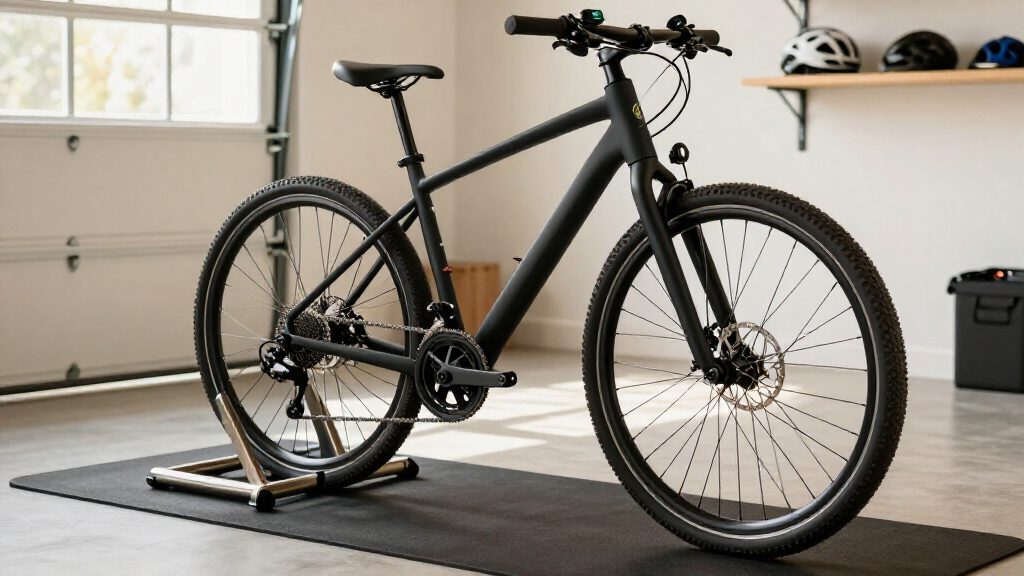
I ranked these electric bike trainers by how well their design matches common indoor-riding needs: reliable resistance, useful control options, bike compatibility, stability, setup demands, and ease of storage or maintenance. I gave smart trainers credit for connected workout control, but only when that functionality offered a clear benefit over simpler wheel-on stands. I also separated magnetic, fluid, and direct-drive designs because they differ in noise, bike setup, and the kind of training experience they support.
The ranking favors options with a clear role and a strong balance of usability and capability. That puts the Saris M2 ahead as a versatile smart wheel-on choice, while the Garmin Tacx NEO 2T ranks highly for riders seeking a premium direct-drive setup. Simpler magnetic and fluid models remain valuable for casual or budget-conscious riders, but their limits in smart control and resistance progression keep them below connected alternatives for structured training. Product fit can vary by bike, so I treat compatibility checks as part of the buying decision rather than assuming one trainer suits every frame.
| electric bike trainer | Resistance mechanism |
|---|---|
| CXWXC Magnetic Bike Trainer fo | — |
| Alpcour Magnetic Indoor Bike T | Magnetic |
| Saris M2 Smart Indoor Electrom | Electronic electromagnetic |
| Alpcour Fluid Bike Trainer Sta | Fluid |
| CXWXC Magnetic Indoor Bike Tra | — |
| CXWXC Magnetic Bike Trainer St | — |
| Sportneer Magnetic Indoor Bike | Magnetic |
| Garmin Tacx NEO 2T Smart Train | — |
| VEVOR Foldable Magnetic Bike T | Magnetic |
| ThinkRider X2Max Smart Bike Tr | — |
| FDW Magnetic Bike Trainer Stan | Magnetic |
| Saris Fluid2 Indoor Bike Train | Fluid |
| Magnetic Indoor Bike Trainer S | Magnetic |
| FDW Magnetic Bike Trainer Stan | Magnetic |
| ThinkRider XXPRO Smart Direct- | Electromagnetic |
Factors to Consider When Choosing Electric Bike Trainers
Before choosing among these trainers, I’d match the equipment to the way you plan to ride, not just to a feature list. These broader checks can prevent a mismatch between your bike, home setup, and training habits.
Decide Whether You Need Smart Resistance
Smart resistance can let compatible training software adjust effort during a workout, which is useful for structured intervals and virtual routes. A trainer with manual resistance can be a better fit when you mainly want steady pedaling while watching a show or following a self-directed routine. Check that the specific trainer and app support the control features you expect; wireless connectivity alone does not always mean the app can change resistance. Also consider whether you are willing to keep a device charged, connected, and updated for each session. The common mistake is paying for connected features that never become part of your routine. If you train to planned power targets, smart control may earn its added setup; for casual spinning, simpler resistance may be enough.
Choose Wheel-On or Direct-Drive Around Your Bike and Routine
A wheel-on trainer keeps the rear wheel on the bike, so setup is usually more familiar and a second wheel is not required. A direct-drive trainer replaces the rear wheel, which can reduce tire-related wear and gives the bike a different, often more planted training setup. That arrangement may require a compatible cassette and careful checks for axle standards and drivetrain fit. Wheel-on models can be more convenient to share between bikes, but tire pressure and roller contact can affect consistency. Don’t select direct-drive solely because it sounds more advanced: account for the extra fitting steps and any cassette needs. The right choice depends on whether quick setup or a dedicated indoor-bike arrangement matters more to you.
Check Compatibility Before Comparing Features
Trainer compatibility is not just a matter of wheel diameter: axle type, frame clearance, tire width, and drivetrain can all affect fit. Some wheel-on stands list supported wheel sizes, while direct-drive units need to match the bike’s rear axle and cassette arrangement. E-bike owners should also check the manufacturer’s guidance for frame materials, axle loading, and approved use rather than assume every trainer is suitable. If you have more than one bike, compare the trainer’s support for each one before buying. A mismatch can turn an otherwise capable model into a frustrating return or require additional parts. Keep your bike’s exact specifications handy when reviewing compatibility information.
Think About Noise, Tire Wear, and Where You’ll Ride
Noise travels differently through floors and walls, so a trainer that sounds acceptable in a garage may bother people in an apartment. Wheel-on trainers can produce tire and roller noise, and a dedicated trainer tire may help with wear if the manufacturer allows it. Direct-drive designs avoid contact with the rear tire, though drivetrain sound and vibration remain. A mat can limit vibration transfer and help protect flooring, but it cannot correct an unstable setup. If you ride early or share walls, prioritize the entire room arrangement, including floor type and distance from sleeping spaces. Ask yourself whether a quieter setup is worth extra equipment and setup effort before choosing based on trainer sound alone.
Balance Storage Convenience Against Stability
Foldable stands can be easier to tuck away, which matters if an indoor trainer must share space with daily activities. Folding joints and compact frames, however, do not automatically make a trainer stable during hard efforts; look for a secure stance and a suitable rider-weight limit. A heavier or more substantial unit may take up more room but feel better suited to intense sessions or frequent use. Remember to allow space for the bike, handlebars, and safe mounting, not only the folded trainer footprint. Buyers often focus on storage dimensions and overlook setup clearance. Measure both the working and stored space before deciding.
Pay for Features You’ll Use Repeatedly
Extra connectivity, more resistance settings, and a premium drive system matter most when they support a regular training habit. If you ride indoors occasionally, a straightforward magnetic or fluid option may make more sense than paying for software-driven control. Frequent structured workouts can justify spending more on smart resistance, while riders who prioritize low tire maintenance may prefer direct drive. Factor in related needs such as a cassette, trainer mat, suitable device, or app subscription when comparing the full setup. The common mistake is comparing trainer features without counting those practical requirements. Choose the least complicated system that supports the workouts you actually plan to do.
Frequently Asked Questions
Can I use an electric bike trainer with an e-bike?
Possibly, but compatibility depends on the trainer design, the bike’s frame and axle, and the trainer maker’s guidance. E-bikes can be heavier than conventional bikes, so check the trainer’s rider-and-bike limits and any restrictions on frame materials or axle loading. Remove or account for the battery as directed by both manufacturers, and avoid assuming that a standard wheel-on stand supports every e-bike. Direct-drive fit also depends on axle and drivetrain standards. If compatibility information is unclear, confirm it with the trainer manufacturer before mounting the bike.
Do I need a smart trainer to follow indoor cycling apps?
No. Many apps can display workouts or virtual rides while you pedal on a non-smart trainer, but resistance may need to be changed manually or may not respond to the app. A smart trainer is the better match if you want software-controlled effort for structured intervals or simulated routes. Check both the trainer’s communication protocols and the app’s supported devices before choosing. Some riders find a basic setup perfectly adequate for steady sessions. The decision comes down to whether automatic resistance control will meaningfully improve your training.
Will a wheel-on trainer damage my bike tire?
Regular use can wear a rear tire through contact with the trainer roller, especially if the tire is not suited to indoor riding or the roller is set up incorrectly. Follow the trainer instructions for roller pressure and tire contact, and check whether a dedicated trainer tire is recommended for your model. Keep the tire properly inflated and clean so grit does not increase wear. Direct-drive trainers avoid rear-tire contact, though they require a compatible cassette and bike fit. Occasional use may not justify a separate tire, but frequent sessions make wear worth factoring into your choice.
Is direct drive worth the extra setup compared with a magnetic wheel-on trainer?
Direct drive can be worthwhile if you train often, want to avoid rear-tire roller wear, or value a wheel-off setup for connected workouts. It typically takes more preparation because you must check axle fit and cassette compatibility, and you may need a cassette that matches your bike. A magnetic wheel-on trainer is simpler for occasional riding and can be easier to store or move between bikes. Neither format is automatically better for every rider; the advantage depends on your training frequency and tolerance for setup. Compare the total setup, including accessories, rather than the trainer alone.
What should I check if my bike has a thru-axle or an unusual wheel size?
Confirm the exact axle dimensions, wheel size, and frame clearance supported by the trainer before ordering. A trainer may need a specific adapter, and the wrong fitting can prevent a secure connection even when the wheel diameter appears compatible. For wheel-on models, check that the frame and tire fit the stand’s stated range; for direct drive, check axle standards and cassette fit. Do not substitute a generic adapter unless the trainer maker approves it. If your bike has a less common setup, ask the manufacturer to confirm compatibility using your bike’s make, model, and specifications.
Conclusion
For most riders who want connected workouts without committing to a direct-drive arrangement, I’d choose the Saris M2 as the best overall. The Sportneer magnetic trainer is my best value and beginner pick for straightforward indoor riding, while the Garmin Tacx NEO 2T is my best premium choice for riders seeking a high-end direct-drive smart setup. For a non-smart fluid option, the Saris Fluid2 is a distinct fit; for compact storage, look first at foldable magnetic stands such as the VEVOR. Choose a basic stand for casual sessions, smart wheel-on for app-guided training with familiar setup, or direct drive when frequent structured riding justifies the extra fit checks.