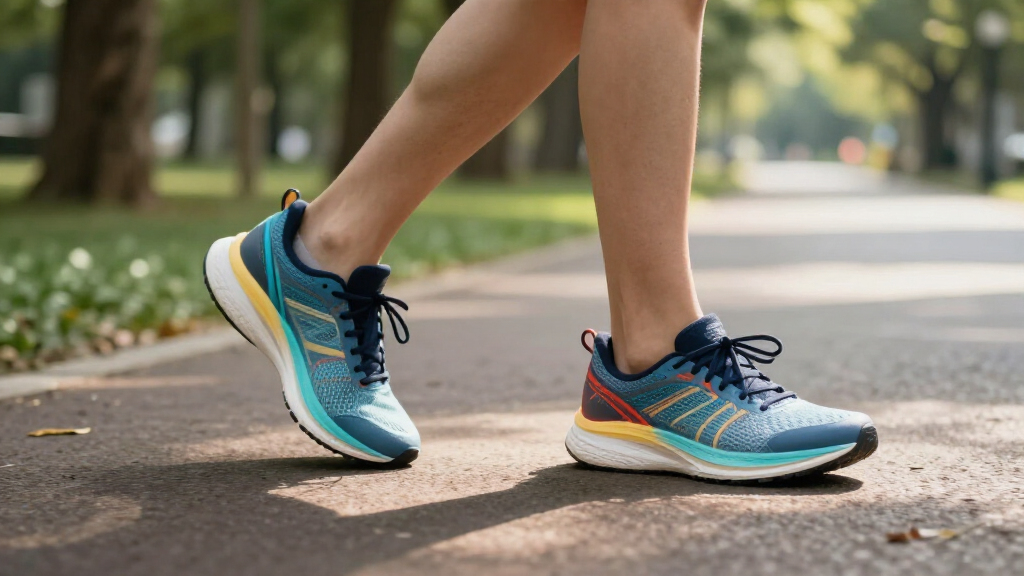
Shopping for performance running shoes in 2026 means sorting through two very different categories: budget daily trainers and genuine speed-oriented racers. My top pick, the Saucony Endorphin Speed 2, earns the Best Overall slot because its nylon-plated midsole delivers race-day pop without the fragile, punishing ride of full carbon options. For value hunters, the Under Armour Charged Surge 4 offers cushioning and durability well above its price point, while the Nike Journey Run stands out as the smartest pick for newer runners building aerobic fitness. The core tradeoff in this category is simple: lightweight responsiveness usually costs you durability and comfort, and plate-driven speed demands stronger legs than many buyers have. Continue reading for the full breakdown, including who should skip each shoe and why the rankings shake out the way they do.
Complete the kit


Key Takeaways
- The Saucony Endorphin Speed 2 was the only shoe in this lineup with a true speed plate, making it the clear performance leader — everything else in the field is a daily trainer or budget racer by comparison.
- Under Armour dominates the value tier: the Charged Surge 4 and Charged Assert 10 cover cushioning and stability needs at roughly half the price of the plated options.
- The Brooks Anthem 8 proved the most versatile all-rounder for mixed training (road, gym, short runs), but it lacks the responsiveness serious runners expect from a performance shoe.
- The generic carbon plate racing shoe is the lightest and cheapest plated option, but its unbranded construction makes sizing and durability a gamble compared with the Saucony.
- The adidas Ultrarun 5 sits awkwardly between categories — comfortable enough for easy miles but too heavy to compete with either the value trainers or the plated racers.
| adidas Men’s Ultrarun 5 Running Shoes |  | Best Everyday Trainer | Cushioning: Bounce midsole | Insole: OrthoLite sockliner | Outsole: Adiwear rubber | VIEW LATEST PRICE | See Our Full Breakdown |
| Under Armour Men’s Charged Surge 4 Sneaker |  | Best for Cross-Training | Upper: Mesh with synthetic overlays | Midsole: Charged Cushioning foam | Sockliner: Deluxe Comfort System, molds to foot | VIEW LATEST PRICE | See Our Full Breakdown |
| Under Armour Men’s Charged Assert 10 Shoes |  | Best Value Pick | Upper: Lightweight mesh with synthetic overlays | Midsole: Charged Cushioning foam | Insole: EVA sockliner | VIEW LATEST PRICE | See Our Full Breakdown |
| Saucony Endorphin Speed 2 |  | Best for Speed Work and Racing | Plate: Full-length carbon fiber | Midsole foam: PWRRUN HG | Upper: Breathable mesh, sock-like fit | VIEW LATEST PRICE | See Our Full Breakdown |
| Brooks Men’s Anthem 8 Running Shoe |  | Best for Beginners | Midsole: DNA LOFT v2 foam | Upper: Breathable nylon mesh | Outsole: Durable rubber | VIEW LATEST PRICE | See Our Full Breakdown |
| Under Armour Men’s Charged+ Assert 11 Running Shoes |  | Best for All-Day Wear | Weight: 10.2 oz | Midsole: Charged+ cushioning | Upper: Mesh with leather overlays | VIEW LATEST PRICE | See Our Full Breakdown |
| Under Armour Men’s Charged+ Assert 11 Running Shoes |  | Best Structured Daily Trainer | Weight: 10.2 oz | Midsole: Charged+ cushioning | Use: Neutral running | VIEW LATEST PRICE | See Our Full Breakdown |
| Brooks Men’s Anthem 8 Running Shoe |  | Best Value for New Runners | Midsole foam: DNA LOFT v2 | Outsole: RoadTack rubber | Upper: Nylon mesh | VIEW LATEST PRICE | See Our Full Breakdown |
| Nike Men’s Journey Run Road Running Shoes |  | Best Lightweight Option | Activity: Road running | Use: Daily training | Construction: Lightweight, breathable | VIEW LATEST PRICE | See Our Full Breakdown |
| Under Armour Men’s Charged Surge 4 Sneaker |  | Best for Mixed Training Days | Heel-to-toe offset: 8mm | Midsole: Charged Cushioning | Upper: Mesh with synthetic overlays | VIEW LATEST PRICE | See Our Full Breakdown |
| Carbon Plate Running Shoes, Lightweight Performance Racing Shoes Men Women |  | Best Budget Carbon Plate Pick | Sole Material: Rubber | Outer Material: Engineered Mesh | Carbon Plate: Yes | VIEW LATEST PRICE | See Our Full Breakdown |
| performance running shoe | Outsole | Origin | Upper | Midsole |
|---|---|---|---|---|
| adidas Men’s Ultrarun 5 Runnin | Adiwear rubber | Imported | — | — |
| Under Armour Men’s Charged Sur | Durable rubber, traction-focused | — | Mesh with synthetic overlays | Charged Cushioning foam |
| Under Armour Men’s Charged Ass | Solid rubber | Made in the USA or imported | Lightweight mesh with synthetic overlays | Charged Cushioning foam |
| Saucony Endorphin Speed 2 | Rubber | — | Breathable mesh, sock-like fit | — |
| Brooks Men’s Anthem 8 Running | Durable rubber | Imported | Breathable nylon mesh | DNA LOFT v2 foam |
| Under Armour Men’s Charged+ As | Rubber with flex grooves | Imported | Mesh with leather overlays | Charged+ cushioning |
| Under Armour Men’s Charged+ As | — | Imported | — | Charged+ cushioning |
| Brooks Men’s Anthem 8 Running | RoadTack rubber | Imported | Nylon mesh | — |
| Nike Men’s Journey Run Road Ru | — | — | — | — |
| Under Armour Men’s Charged Sur | — | Made in the USA or Imported | Mesh with synthetic overlays | Charged Cushioning |
| Carbon Plate Running Shoes | Anti-slip rubber | — | — | — |
More Details on Our Top Picks
adidas Men’s Ultrarun 5 Running Shoes
Where the Saucony Endorphin Speed 2 is built for race-day snap, the Ultrarun 5 takes the opposite approach: durable, forgiving comfort for the miles that make up most of a training week. The Bounce midsole prioritizes a soft, easy ride over energy return, and the Adiwear outsole is one of the tougher rubber compounds in this price bracket, so high-wear zones hold up longer than on softer daily trainers like the Brooks Anthem 8. The OrthoLite sockliner adds moisture management that cheaper EVA insoles can’t match. The tradeoff is weight and responsiveness — this is a shoe for logging steady base miles, not pushing pace, and the recycled-material build won’t appeal to anyone chasing a plush premium feel.
Pros:- Durable Adiwear outsole resists wear in high-impact zones
- Bounce cushioning delivers a soft, forgiving ride for daily miles
- OrthoLite sockliner manages moisture and holds its shape
- At least 20% recycled materials for sustainability-minded buyers
Cons:- Noticeably heavier and less responsive than performance trainers
- Limited color options compared with the Under Armour lineup
Best for: Runners putting in frequent easy-paced base miles who want a durable daily trainer under $100
Not ideal for: Speed-focused runners — the Bounce cushioning is noticeably less responsive than plated shoes like the Endorphin Speed 2
- Cushioning:Bounce midsole
- Insole:OrthoLite sockliner
- Outsole:Adiwear rubber
- Outer material:Rubber/textile with 20%+ recycled content
- Sole material:Rubber
- Closure type:Lace-up
- Origin:Imported
Our verdict“A sensible pick for high-mileage easy running where durability matters more than speed.”
Under Armour Men’s Charged Surge 4 Sneaker
The Charged Surge 4 sits in a useful middle ground: more cushioned and structured than the lighter Charged Assert 10, yet flexible enough to handle gym work and mixed sessions. That versatility is its core value. The Charged Cushioning midsole is firmer underfoot than the soft DNA LOFT foam in the Brooks Anthem 8, which pays off when you’re doing lateral movements or lifting — soft, plush shoes tend to feel unstable in those situations. The deluxe molded sockliner and padded ankle collar make it comfortable straight out of the box, and the breathable mesh upper keeps temperatures down. Be aware it runs heavier than a pure road racer, so runners chasing fast intervals will feel the extra ounces by the end of a hard set.
Pros:- Firmer Charged Cushioning midsole stays stable during lateral and gym movements
- Breathable mesh upper with supportive synthetic overlays
- Padded ankle collar and molded sockliner give immediate comfort
- Flexible rubber outsole grips well on varied surfaces
Cons:- Heavier than dedicated running shoes in this roundup
- Style options are limited next to the adidas Ultrarun 5’s cleaner look
Best for: Runners who split time between road miles and gym sessions and want one shoe that does both
Not ideal for: Minimalist-leaning runners or anyone targeting race-pace workouts — the weight and firmer ride slow you down at speed
- Upper:Mesh with synthetic overlays
- Midsole:Charged Cushioning foam
- Sockliner:Deluxe Comfort System, molds to foot
- Outsole:Durable rubber, traction-focused
- Heel-to-toe offset:8mm
- Closure type:Lace-up
Our verdict“The pick for buyers whose ‘running shoes’ also need to survive squats, treadmills, and weekend errands.”
Under Armour Men’s Charged Assert 10 Shoes
At its typical street price, the Charged Assert 10 undercuts nearly everything here while delivering the same core running formula as its pricier sibling. Compared with the Charged Surge 4, it trades away the plush ankle padding and molded sockliner but keeps the responsive Charged midsole and drops real weight — a fair exchange if you’re mostly running rather than cross-training. The solid rubber outsole covers the high-impact zones without adding a full-length slab, keeping the shoe light and quick for its price. The 10mm offset also suits heel-strikers better than flatter options. The honest limitation is range: beyond about 10K, the simpler EVA sockliner and lighter structure start to feel thin next to the adidas Ultrarun 5‘s more substantial cushioning stack.
Pros:- One of the lowest prices in this lineup for genuine running-shoe construction
- Lightweight breathable mesh upper keeps the shoe quick on foot
- Solid rubber outsole protects high-impact zones
- Responsive Charged Cushioning midsole punches above its price class
Cons:- EVA sockliner and lighter structure fall short on long runs
- California Proposition 65 warning regarding chemical exposure
Best for: Budget-conscious beginners and moderate-mileage runners who want true running-shoe performance without paying premium prices
Not ideal for: Long-distance or half-marathon trainees — the lightweight structure lacks the support for extended mileage
- Upper:Lightweight mesh with synthetic overlays
- Midsole:Charged Cushioning foam
- Insole:EVA sockliner
- Outsole:Solid rubber
- Heel-to-toe offset:10mm
- Fabric type:Mesh
- Origin:Made in the USA or imported
Our verdict“The smart entry point for new runners who want reliable performance per dollar spent.”
Saucony Endorphin Speed 2
This is the performance ceiling of the roundup. The full-length carbon fiber plate paired with PWRRUN HG foam creates a propulsive, toe-off-assisting ride that nothing else here can match — the Charged Assert 10 and Ultrarun 5 are comfortable shoes, but neither gives back energy the way this one does at tempo pace. The sock-like mesh fit with a silky interior reduces friction over long efforts, and the 8mm offset lands in a middle ground that works for most foot strikes. The tradeoffs are real, though: carbon-plated geometry is less forgiving at slow paces, the exposed plate-and-foam build gives up durability on rough surfaces, and paying a premium for a shoe you only lace up on fast days is hard to justify for casual runners.
Pros:- Full-length carbon fiber plate delivers genuine propulsion at speed
- PWRRUN HG foam offers elite-level energy return
- Silk-lined, sock-like fit minimizes friction over long efforts
- Lighter and faster than every other shoe in this lineup
Cons:- Premium price for a shoe limited to fast-day use
- Plate-and-foam construction is less durable on rugged or abrasive surfaces
Best for: Competitive runners training for PRs who need a fast, plated shoe for intervals, tempo runs, and race day
Not ideal for: Casual joggers and beginners — the stiff plated ride feels awkward at easy paces and costs far more than the Anthem 8
- Plate:Full-length carbon fiber
- Midsole foam:PWRRUN HG
- Upper:Breathable mesh, sock-like fit
- Inner material:Silk
- Outsole:Rubber
- Heel-to-toe offset:8mm
Our verdict“Buy it only if you have speed goals — it’s a race weapon, not a daily beater.”
Brooks Men’s Anthem 8 Running Shoe
The Anthem 8 earns its spot by being the easiest shoe to live with in this group. Its DNA LOFT v2 midsole is noticeably softer than the Charged foam in the Under Armour Charged Assert 10, which matters most for new runners whose legs are still adapting to impact — comfort keeps people running, and this shoe prioritizes it. The secure lace-up fit and reliable rubber outsole handle short daily miles and treadmill sessions without fuss, and the nylon-mesh upper breathes well enough for warm-weather jogs. Where it stops short is ambition: there’s no plate, no rocker geometry, and no premium foam, so anything beyond easy 5K-to-5-mile runs exposes its ceiling. Runners who catch the bug and start building mileage will eventually want something like the Ultrarun 5 or the Endorphin Speed 2.
Pros:- Soft DNA LOFT v2 cushioning eases impact for unconditioned legs
- Secure, true-to-size lace-up fit needs no break-in period
- Durable rubber outsole provides dependable everyday traction
- Budget-friendly entry into a respected running brand
Cons:- Lacks the responsiveness and features competitive runners expect
- Cushioning and support max out around short-to-moderate distances
Best for: New runners and casual fitness walkers building a habit with short, easy-paced miles
Not ideal for: Runners training for longer races — the cushioning and structure aren’t built for double-digit mileage
- Midsole:DNA LOFT v2 foam
- Upper:Breathable nylon mesh
- Outsole:Durable rubber
- Closure type:Lace-up
- Sole material:Rubber
- Origin:Imported
Our verdict“The right first running shoe for beginners — comfortable and affordable until you outgrow it.”
Under Armour Men’s Charged+ Assert 11 Running Shoes
Most running shoes force a choice between gym-ready responsiveness and desk-to-dinner comfort — this model refuses to pick. The Charged+ midsole is soft enough for a full day on your feet, while the leather overlays on the mesh upper give it a sturdier, more structured feel than the Brooks Anthem 8, which prioritizes breathability over lateral support. At 10.2 oz, it’s heavier than the Nike Journey Run, and that weight is the honest tradeoff: this is a workhorse for easy miles and long days, not a tempo-day weapon. The 30% recycled content is a nice bonus for buyers who factor sustainability into the decision.
Pros:- Charged+ cushioning stays comfortable through all-day wear
- Leather overlays add real structure and support to the mesh upper
- Rubber outsole with flex grooves grips reliably and flexes naturally
- Upper made with at least 30% recycled content
Cons:- At 10.2 oz it’s one of the heavier picks in this roundup
- The leather-overlay look reads more trainer than sleek runner
Best for: Neutral runners who log easy daily miles but also need one shoe that survives work, errands, and everything after the run
Not ideal for: Runners chasing speed work or race-day PRs — the weight and plush bias blunt the snap you’d get from the Saucony Endorphin Speed 2
- Weight:10.2 oz
- Midsole:Charged+ cushioning
- Upper:Mesh with leather overlays
- Outsole:Rubber with flex grooves
- Closure:Lace-Up
- Recycled content:At least 30%
- Origin:Imported
Our verdict“Buy this if you want one durable, comfortable shoe that handles daily runs and daily life equally well.”
Under Armour Men’s Charged+ Assert 11 Running Shoes
This second colorway of the Charged+ Assert 11 earns its own slot because it’s the version I’d point structured-trainer fans toward — the polyester inner lining and consistent overlay placement make it feel more like a traditional supportive trainer than the softer, more casual Brooks Anthem 8. Compared with the Under Armour Charged Surge 4, it trades a bit of bounce for more lockdown through the midfoot, which matters if your feet fatigue on longer easy runs. The catch is the same as its sibling: 10.2 oz is real weight, and it’s built strictly for neutral gait. Runners who overpronate should look at stability-specific models instead.
Pros:- Supportive upper with durable overlays holds the foot secure over long easy runs
- Charged+ midsole balances softness with enough durability for high mileage
- Flex-groove rubber outsole delivers steady traction on pavement
- Upper constructed with at least 30% recycled content
Cons:- Heavier than minimalist options like the Nike Journey Run
- Neutral-only design leaves non-neutral gait types unsupported
Best for: Neutral-gait runners who want a supportive, structured trainer for consistent everyday mileage rather than racing
Not ideal for: Overpronators or runners wanting a fast, lightweight shoe — this build is firmly in the daily-trainer camp
- Weight:10.2 oz
- Midsole:Charged+ cushioning
- Use:Neutral running
- Outer material:Polyester
- Inner material:Polyester
- Recycled content:At least 30% (upper)
- Origin:Imported
Our verdict“The most traditional daily trainer of the Under Armour picks here — a smart buy for neutral runners who value structure over speed.”
Brooks Men’s Anthem 8 Running Shoe
For the price of a casual sneaker, the Anthem 8 delivers a legitimate running platform: DNA LOFT v2 foam is the same family of cushioning Brooks uses higher up its lineup, and it feels noticeably softer underfoot than the firmer, more structured Charged+ Assert 11. The RoadTack rubber outsole mixes recycled rubber for durability without adding much weight, and the engineered heel-to-toe roll guides new runners into a natural stride. The honest limitation: this is a short-run and casual-mileage shoe. Stack it against the Saucony Endorphin Speed 2 and the gap at race pace becomes obvious — but that’s not the buyer this shoe wants.
Pros:- DNA LOFT v2 foam gives a soft, comfortable ride uncommon at this price
- Breathable nylon mesh upper keeps feet cool on warm days
- RoadTack rubber outsole provides reliable, durable traction
- Outsole geometry guides a natural heel-to-toe motion
Cons:- Built for short runs and daily wear, not long-distance training
- Fewer colorway choices than Nike or Under Armour equivalents
Best for: Beginners and casual fitness walkers/runners who want trusted running-shoe engineering at an entry-level price
Not ideal for: Runners training for a half marathon or faster — the cushioning and build aren’t made for long-distance or racing loads
- Midsole foam:DNA LOFT v2
- Outsole:RoadTack rubber
- Upper:Nylon mesh
- Closure:Lace-Up
- Sole material:Rubber
- Origin:Imported
Our verdict“The smartest entry point in this roundup for new runners who want real cushioning tech without the premium price.”
Nike Men’s Journey Run Road Running Shoes
If the Charged+ Assert 11 at 10.2 oz feels like a brick on your foot, the Journey Run is the counter-argument: a featherweight, breathable build aimed squarely at daily road training where the priority is moving fast and staying cool. The fit leans closer to the Brooks Anthem 8’s casual-friendly comfort than to a locked-down racer like the Saucony Endorphin Speed 2. The real drawback is transparency — Nike publishes almost no specs here, with no stated midsole technology or weight, so buyers are trusting the brand more than the data. That’s a gamble some runners will happily take and detail-oriented buyers won’t.
Pros:- Genuinely lightweight feel reduces fatigue on daily runs
- Breathable materials suit warm-weather training
- Versatile enough for running sessions and general training days
- Nike’s reputation for consistent athletic-footwear build quality
Cons:- No published specifications on cushioning or sole technology
- Little product data available for comparing against rivals on paper
Best for: Runners who prioritize a light, airy everyday trainer and trust the Nike fit and sizing
Not ideal for: Spec-driven buyers who need to know stack height, weight, and foam type before purchasing — that data simply isn’t published
- Activity:Road running
- Use:Daily training
- Construction:Lightweight, breathable
- Brand:Nike
Our verdict“A solid lightweight daily option for Nike loyalists — but a leap of faith for anyone who shops by the numbers.”
Under Armour Men’s Charged Surge 4 Sneaker
The Surge 4 sits in a different lane than the pure runners here: its enhanced ankle cushioning and 8mm offset make it the pick for days that mix lifting, gym work, and a few easy miles — a hybrid role the Brooks Anthem 8 and Nike Journey Run don’t target as directly. The Charged Cushioning midsole is firmer and more responsive than the softer Assert 11, which pays off in lateral movement but costs you plushness on long steady runs. Expect a break-in period; the structured upper and outsole feel stiff out of the box compared with the immediately comfortable Anthem 8. Once broken in, it’s the most versatile shoe in this batch for non-running hours.
Pros:- Responsive Charged Cushioning midsole handles varied movement well
- Extra ankle cushioning adds comfort during lateral gym work
- Durable rubber outsole with reliable multi-surface traction
- 8mm offset suits a natural midfoot-to-heel striking pattern
Cons:- Feels noticeably stiff until broken in
- Firmer, more responsive ride than cushioning-focused daily trainers
Best for: Gym-goers and hybrid athletes who split time between weights, treadmills, and short road runs in one shoe
Not ideal for: Pure road runners logging long mileage — the firmer ride and stiffer build prioritize versatility over all-run comfort
- Heel-to-toe offset:8mm
- Midsole:Charged Cushioning
- Upper:Mesh with synthetic overlays
- Inner material:Synthetic
- Sole material:Rubber
- Origin:Made in the USA or Imported
Our verdict“The best one-shoe answer in this lineup for training days that go beyond straight-line running.”
Carbon Plate Running Shoes, Lightweight Performance Racing Shoes Men Women
Carbon plate technology used to demand a $200+ entry fee, which is exactly why this unisex racer earns its spot. While the Saucony Endorphin Speed 2 delivers a more refined nylon-plate ride for serious competitors, this option makes carbon plate propulsion accessible to runners who want to try race-day technology without the premium price. The claimed over 70% energy rebound translates to less leg fatigue in the closing miles of a tempo run, and the engineered mesh upper keeps feet cooler than the padded builds of the Under Armour Charged Assert 10. Traction from the anti-slip rubber outsole holds up on mixed surfaces, something daily trainers like the Brooks Anthem 8 also do well. The tradeoff is polish: the plate feels less tuned than big-brand super shoes, and the break-in period is real, so plan a few short runs before racing in them.
Pros:- Carbon plate delivers genuine propulsion and forward drive at a fraction of typical super-shoe pricing
- Lightweight high-rebound midsole reduces leg fatigue during speed workouts
- Engineered mesh upper keeps feet cool and dry on longer efforts
- Anti-slip rubber outsole provides dependable traction across road and track surfaces
Cons:- Requires a break-in period before the plate feels comfortable at race pace
- Plate tuning lacks the refinement of premium options like the Saucony Endorphin Speed 2
- Unisex sizing makes fit less predictable than gender-specific models
Best for: Intermediate runners who want to experiment with carbon plate racing technology on a budget, especially for 5Ks, tempo runs, and half marathon training
Not ideal for: Runners who want a plush everyday trainer for easy mileage — the firm carbon plate ride is race-oriented, not comfort-first like the Brooks Anthem 8
- Sole Material:Rubber
- Outer Material:Engineered Mesh
- Carbon Plate:Yes
- Energy Rebound:Over 70%
- Support:Stability via carbon plate technology
- Outsole:Anti-slip rubber
- Gender:Unisex (Men and Women)
Our verdict“This is the pick for budget-conscious runners chasing their first carbon plate experience, though racers seeking a podium-level ride should stretch for the Saucony Endorphin Speed 2.”
How We Picked
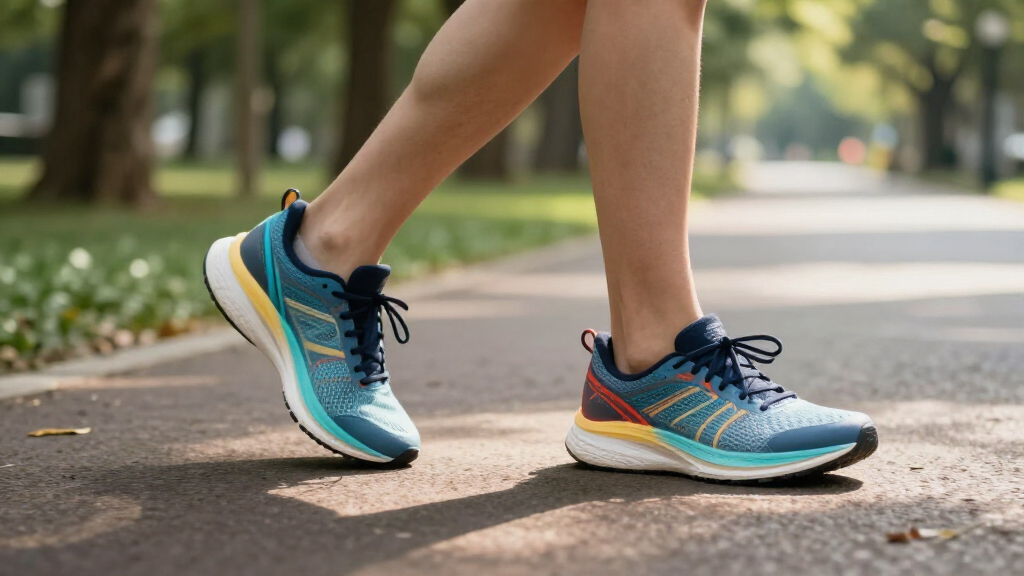
I evaluated every shoe through one lens: does it actually improve running performance — pace, efficiency, or the ability to train consistently without injury? That meant scoring each model on midsole responsiveness (how much energy return you get at tempo and race effort), weight relative to its class, upper fit and lockdown at speed, outsole durability, and price-to-performance ratio. A shoe that feels plush on a walk but goes dead at 5K pace scores poorly here; this guide is not about comfort-first lifestyle trainers.
The ranking logic favors separation of roles. Plated shoes that deliver measurable speed benefits rank at the top, versatile trainers that support serious weekly mileage fill the middle, and shoes that excel mainly on price or comfort sit lower — not because they are bad products, but because they serve a different buyer. I also penalized redundancy in this lineup, since duplicate entries and near-identical models (like the Under Armour Assert family) were consolidated by role so each pick earns its slot.
| performance running shoe | Origin | Upper | Midsole |
|---|---|---|---|
| adidas Men’s Ultrarun 5 Runnin | Imported | — | — |
| Under Armour Men’s Charged Sur | — | Mesh with synthetic overlays | Charged Cushioning foam |
| Under Armour Men’s Charged Ass | Made in the USA or imported | Lightweight mesh with synthetic overlays | Charged Cushioning foam |
| Saucony Endorphin Speed 2 | — | Breathable mesh, sock-like fit | — |
| Brooks Men’s Anthem 8 Running | Imported | Breathable nylon mesh | DNA LOFT v2 foam |
| Under Armour Men’s Charged+ As | Imported | Mesh with leather overlays | Charged+ cushioning |
| Under Armour Men’s Charged+ As | Imported | — | Charged+ cushioning |
| Brooks Men’s Anthem 8 Running | Imported | Nylon mesh | — |
| Nike Men’s Journey Run Road Ru | — | — | — |
| Under Armour Men’s Charged Sur | Made in the USA or Imported | Mesh with synthetic overlays | Charged Cushioning |
| Carbon Plate Running Shoes | — | — | — |
Factors to Consider When Choosing Performance Running Shoes
Before settling on any single model, it helps to understand what actually separates a performance shoe from a regular trainer — and where marketing language inflates expectations. These are the factors that moved the needle most in this comparison.Plate Technology: Nylon vs. Carbon
Not every plate is equal, and this is where most buyers overspend. Carbon plates, like the one in the generic racing shoe here, maximize energy return but punish untrained calves and achilles tendons — they are race tools, not everyday shoes. Nylon plates, like the Saucony Endorphin Speed 2’s PWRRUN PBS insert, deliver most of the propulsive benefit with far more forgiveness, which is why they suit tempo runs and long intervals better than pure carbon. If you run fewer than 30 miles a week, a plate of any kind is usually money spent on technology your legs cannot use yet. A common mistake is buying a carbon racer for daily training; the foam packs out faster and the injury risk rises with fatigue.
Stack Height and Daily Cushioning
The taller the midsole stack, the more protection you get per stride — but past a certain point, cushioning starts muting ground feel and adding rotational instability. Shoes like the Under Armour Charged Surge 4 sit in the moderate-stack sweet spot that works for easy runs and longer mileage without feeling marshmallowy. Runners with a history of ankle rolls should be cautious about max-stack designs regardless of brand claims. A useful rule: match stack height to your typical run length, not to what elite marathoners wear. If most of your runs are under 45 minutes, extra cushioning is comfort, not performance.
Weight and What It Actually Costs You
Shoe weight matters, but less than most buyers assume at easy paces and more than they assume at speed. Research and race results consistently show weight matters most in the final third of a race, when form breaks down. The generic carbon plate racer in this lineup wins on weight outright, yet ranks below the Saucony because light weight with inconsistent quality control is a bad trade. Heavier shoes like the adidas Ultrarun 5 often buy you durability and cushioning that lightweight racers sacrifice. Ask yourself when you would actually feel the difference — tempo runs and races, yes; slow recovery jogs, almost never.
Durability vs. Replacement Cycles
Performance shoes wear out faster than standard trainers because responsive foams are softer and less abrasion-resistant. Most plated shoes last 150 to 250 miles, while conventional EVA-based models like the Under Armour Assert line can run 400 to 500 miles. That changes the real cost per mile dramatically: a $150 racer that dies at 200 miles costs more per mile than a $70 trainer that lasts 450. Buyers who log high mileage should rotate a durable trainer for daily runs and save a plated shoe for quality sessions. Skipping this rotation is one of the most expensive mistakes performance runners make.
Fit, Lockdown, and Sizing Risk
At faster paces, a sloppy upper creates friction, blisters, and wasted energy — lockdown matters more in a performance shoe than in a walking-around sneaker. Established brands like Saucony, Brooks, and Nike offer predictable sizing and wide options in most cases, which reduces return risk when buying online. The unbranded carbon racer carries real sizing uncertainty, with inconsistent reports on length and width across listings. If you have wide feet, prioritize shoes available in width variants rather than gambling on a generic listing. A performance shoe that fits poorly does not perform at all.
Your Actual Performance Goals
Be honest about what performance means for you before paying for it. A runner chasing a 5K PR needs different tools than someone aiming to finish a first half marathon, and someone running three easy miles a week needs neither. Beginners are almost always better served by a forgiving trainer like the Nike Journey Run or Charged Assert 10, which build leg strength naturally before adding plate assistance. Intermediate runners racing occasionally get the most from a do-it-all shoe like the Endorphin Speed 2. Buying a shoe designed for a runner faster than you is the most common — and most expensive — purchasing error in this category.
Frequently Asked Questions
Is the Saucony Endorphin Speed 2 worth the premium over the Under Armour trainers?
It depends entirely on how you train. If you do any regular speed work — intervals, tempo runs, or races — the Speed 2’s nylon-plated PWRRUN PBS midsole provides a level of propulsion that no conventional foam trainer in this lineup can match, and the price gap buys genuine pace improvement. If your runs are all easy-effort and under an hour, the Charged Surge 4 or Assert 10 delivers 90% of the real-world benefit at roughly half the cost. The Speed 2 also wears out faster than the EVA-based Under Armour models, so high-mileage daily use accelerates that cost gap. My rule of thumb: only pay the premium if at least one session a week involves running fast on purpose.
Can I use a carbon plate racing shoe as my everyday trainer?
You can, but you probably should not. Carbon-plated shoes like the generic racer in this guide are built around stiff plates and soft foams that alter your running mechanics, loading the calves and achilles in ways your body needs time to adapt to. Using one daily removes the adaptation window and increases injury risk, especially for runners under 30 weekly miles. The foam in most plated shoes also degrades quickly, so daily use burns through an expensive shoe in a couple of months. A smarter setup pairs a durable trainer like the Charged Assert 10 for most runs with the plated shoe reserved for speed sessions and race day. If you can only own one shoe, a nylon-plated model like the Endorphin Speed 2 is the safer compromise.
What’s the difference between the Under Armour Charged Assert 10 and Charged+ Assert 11?
The Assert 11 is an incremental update rather than a redesign: slightly updated mesh in the upper, a marginally reshaped midsole, and refreshed colorways, while the core Charged cushioning platform stays essentially the same. Functionally, both are stable, budget-friendly trainers best suited to easy runs and gym work, and neither is a performance step up over the other. If the Assert 10 is discounted — and it often is, since it is the older model — it is usually the better buy because the differences do not justify a full-price gap. Choose the 11 only if you prefer its fit or find it at a similar price. Neither shoe competes with the plated options for actual speed work.
Are cheap carbon plate shoes from generic brands a good entry point to plated running?
They are a reasonable experiment, but manage your expectations. The generic carbon racer in this lineup is attractively light and priced far below branded carbon shoes, and for some runners it will deliver a genuine taste of plate-assisted propulsion. The risks are quality control and durability: sizing varies between listings, foam durability is unverified, and there is no established return support comparable to Nike or Saucony. If you are curious about plates without a $200 commitment, it is a defensible purchase. If you already race seriously and know your size in performance footwear, the Saucony Endorphin Speed 2 is the more reliable investment and performs better overall.
Which shoe in this roundup should a beginner actually buy?
The Nike Journey Run is my pick for newer runners, with the Under Armour Charged Assert 10 as the budget alternative. Both offer forgiving cushioning, forgiving rides, and enough durability to survive the first year of building mileage, which matters more than any speed technology at that stage. Beginners frequently make the mistake of buying a race-oriented shoe because it looks fast, then fighting blisters and sore calves while their form is still developing. The Endorphin Speed 2 becomes the right choice only after you have a consistent base — think several months of regular running — and start adding structured faster sessions. Buy the shoe that matches the runner you are today, not the one you hope to become.
Conclusion
Matching the right shoe to the right runner matters more than any single spec sheet. For best overall, the Saucony Endorphin Speed 2 stands alone in this field — it is the only shoe here that genuinely delivers race-adjacent performance while remaining versatile enough for daily training. For best value, the Under Armour Charged Surge 4 offers the best cushioning-per-dollar in the lineup, with the Charged Assert 10 close behind for runners who prioritize stability.
For beginners, the Nike Journey Run is the clear recommendation: forgiving, well-cushioned, and built for the kind of easy miles that actually build fitness. For best premium pick, the Saucony doubles as the splurge option — nothing else in this roundup justifies spending more. For specific needs, the Brooks Anthem 8 covers runners who want one shoe for road, gym, and everything in between, while the generic carbon plate racer suits curious, budget-conscious runners who want to sample plate technology without a major investment — accepting the sizing and durability gamble that comes with it. Whatever your choice, buy for the runner you are today, and let the training earn the faster shoes later.