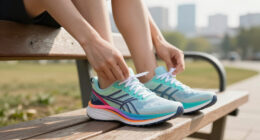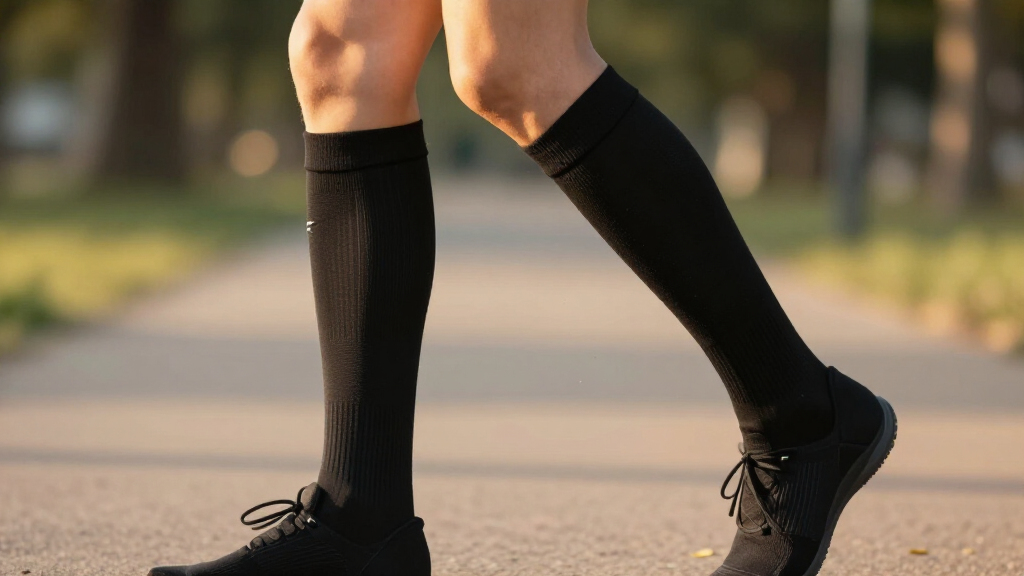
Compression running socks split into two camps: snug crew styles that boost circulation through the calf, and low-cut ankle versions that focus on arch support and blister prevention. My top overall pick is the FITRELL 20-30mmHg Compression Socks, which deliver the firmest, most consistent graduated pressure in this lineup for recovery and long runs. For value, the Lapulas Athletic Running Ankle Socks 6-Pack undercut everything else per pair while still offering solid arch compression and anti-blister cushioning. The main tradeoff you’ll face is between medical-grade pressure and all-day comfort: firmer socks aid circulation but can feel restrictive, while softer athletic pairs are easier to wear but do less for heavy legs. Continue reading for the full breakdown, including plantar fasciitis picks and footless sleeve options.
Complete the kit


Key Takeaways
- Only the FITRELL pairs (20-30mmHg) offer true medical-grade graduated pressure; most athletic-branded socks in this roundup deliver lighter 15-20mmHg compression better suited to everyday training than recovery.
- Ankle compression socks dominated this lineup (7 of 15 picks), reflecting a clear shift toward low-cut styles that pair with modern running shoes — but they do nothing for calf fatigue, where footless sleeves like the Blitzu fill the gap.
- Multi-packs from Lapulas, PAPLUS, and BULLIANT came out far cheaper per pair than 3-pair sets, making them the smarter route for runners logging daily miles and frequent laundry cycles.
- IRAMY‘s plantar fasciitis-focused designs stood apart with targeted arch and heel construction, a better match for injury recovery than general-purpose compression socks with uniform squeeze.
- Duplicated listings in this category (FITRELL and IRAMY each appear twice) mean shoppers should check pack size and mmHg rating carefully before buying, as nearly identical product names hide meaningful differences.
| Blitzu Calf Compression Sleeves, Footless Compression Socks for Men & Women |  | Best for Runners Who Hate Toe Compression | Material: 85% nylon, 15% spandex | Type: Footless calf sleeve | Coverage: Calf only — no foot or toe compression | VIEW LATEST PRICE | See Our Full Breakdown |
| Lapulas Athletic Running Ankle Socks, Low Cut Cushioned Anti-Blister Sports Socks, 6 Pairs |  | Best Value Multi-Pack for Everyday Miles | Fabric: 85% cotton, 10% polyester, 5% lycra | Design: Low cut, breathable mesh, reinforced heel, cushioned foot | Anti-Blister Feature: Blister-resistant tabs | VIEW LATEST PRICE | See Our Full Breakdown |
| Compression Running Socks, 3 Pairs – Cushion Crew Socks for Athletic, Hiking, Basketball |  | Best Overall for Runners | Fabric Composition: 35% polyester (COOLMAX), 30% nylon, 25% cotton, 10% spandex | Compression Level: 15-20 mmHg | Compression Style: Gradient | VIEW LATEST PRICE | See Our Full Breakdown |
| PAPLUS Ankle Compression Socks for Women, 6 Pairs Cushioned Running Socks |  | Best for Beginners and Warm-Weather Runs | Fabric Composition: 68% nylon, 19% spandex, 13% polyester | Compression Level: 8-15 mmHg | Cut: Low-cut ankle | VIEW LATEST PRICE | See Our Full Breakdown |
| FITRELL 3 Pairs Compression Socks for Women and Men 20-30mmHg – Circulation Support Socks |  | Best Premium Compression Strength | Fabric Composition: 72.1% polyamide, 18.4% polyester, 9.5% spandex | Compression Level: 20-30 mmHg graduated | Calf Size (S/M): 9-15 inches | VIEW LATEST PRICE | See Our Full Breakdown |
| Crew Compression Running Socks: 15-20 mmHg Arch Support Compression |  | Best Graduated Compression for Runners | Material: 68% Nylon, 20% Polyester, 12% Spandex | Compression: 15-20 mmHg graduated | Sizes: M (Men 6-9, Women 7-10), L (Men 9-13, Women 10+), XL (Men 13-16) | VIEW LATEST PRICE | See Our Full Breakdown |
| Compression Socks for Women and Men, 15-20 mmHg Support (3 Pairs) |  | Best for Recovery and Travel | Fabric: 68% Nylon, 19% Spandex, 13% Polyester | Compression Level: 15-20 mmHg | Size Range: S–XL, sized by calf circumference (9-18in) and shoe size | VIEW LATEST PRICE | See Our Full Breakdown |
| BULLIANT Men Athletic Compression Crew Socks 6-Pack |  | Best Value Bulk Pack | Fabric: 97% Polyester, 3% Spandex | Quantity: 6 Pairs | Style: Crew | VIEW LATEST PRICE | See Our Full Breakdown |
| Compression Running Ankle Socks Men & Women 6 Pairs Quarter Cycling Socks |  | Best Low-Cut Versatility | Fabric Composition: 56% Polyester, 35% Nylon, 9% Spandex | Style: Quarter / ankle | Size: S/M (Men 6.5-9, Women 7.5-10); L/X (Men 9.5-12, Women 10.5-13) | VIEW LATEST PRICE | See Our Full Breakdown |
| IRAMY Ankle Compression Socks for Men and Women, Plantar Fasciitis Relief |  | Best for Plantar Fasciitis Relief | Fabric Composition: 79% Nylon, 16% Elastic, 5% Spandex | Style: Ankle | Fit Type: Snug | VIEW LATEST PRICE | See Our Full Breakdown |
| FITRELL 3 Pairs Compression Socks for Women and Men 20-30mmHg |  | Best Firm Compression Pick | Compression Level: 20-30mmHg | Fabric Composition: 72.1% Polyamide, 18.4% Polyester, 9.5% Spandex | Calf Size (S/M): 9-15 inches | VIEW LATEST PRICE | See Our Full Breakdown |
| IRAMY Ankle Compression Socks for Men and Women, Plantar Fasciitis Relief, 3/5 Pairs |  | Best for Plantar Fasciitis Relief | Fabric Composition: 79% Nylon, 16% Elastic, 5% Spandex | Fit Type: Slim | Sizes Available: Small to X-Large | VIEW LATEST PRICE | See Our Full Breakdown |
| IRAMY Compression Ankle Support Crew Socks – 3 Pairs |  | Best Moisture Management | Fabric: 50% Nylon, 40% Coolmax, 10% Spandex | Sizes: Small (Men 4-6/Women 5-7), Medium (Men 6-9/Women 7-10), Large (Men 9-12/Women 10-13), X-Large (Men 12-15/Women 13-16) | Style: Crew, ankle support compression | VIEW LATEST PRICE | See Our Full Breakdown |
| Compression Running Socks, 3 Pairs, Cushion Crew Socks, Anti-Blister, Moisture-Wicking Athletic Hiking Basketball Socks |  | Best for Everyday Comfort | Compression: 15-20 mmHg | Fabric: 35% Polyester (COOLMAX), 30% Nylon, 25% Cotton, 10% Spandex | Fit Type: Crew | VIEW LATEST PRICE | See Our Full Breakdown |
| Compression Socks for Men and Women, Ankle Running Socks for Plantar Fasciitis |  | Best Lightweight Recovery Option | Compression Level: 15-20 mmHg | Fabric: Nylon & Spandex | Size Range: S/M: Men 6.5-9, Women 7.5-10; L/XL: Men 9.5-12, Women 10.5-13 | VIEW LATEST PRICE | See Our Full Breakdown |
| compression running sock | Origin |
|---|---|
| Blitzu Calf Compression Sleeve | — |
| Lapulas Athletic Running Ankle | Imported |
| Compression Running Socks | — |
| PAPLUS Ankle Compression Socks | Imported |
| FITRELL 3 Pairs Compression So | Imported |
| Crew Compression Running Socks | Imported |
| Compression Socks for Women an | Imported |
| BULLIANT Men Athletic Compress | Imported |
| Compression Running Ankle Sock | Imported |
| IRAMY Ankle Compression Socks | Imported |
| FITRELL 3 Pairs Compression So | Imported |
| IRAMY Ankle Compression Socks | Imported |
| IRAMY Compression Ankle Suppor | Imported |
| Compression Running Socks | — |
| Compression Socks for Men and | Imported |
More Details on Our Top Picks
Blitzu Calf Compression Sleeves, Footless Compression Socks for Men & Women
Most options in this roundup compress the entire foot, but the Blitzu Calf Sleeves take the opposite approach: sleeves only, leaving your toes and arches completely free. That design makes sense if you already own running socks you love and only want calf support for shin splints and circulation. Compared with the FITRELL 20-30mmHg socks, the Blitzu covers less area, so it is less useful for foot swelling or plantar fasciitis, but it is far easier to pair with your preferred sock. The 85% nylon blend is breathable enough for all-day wear, and the sleeves double for pregnancy and travel use. The main tradeoff is fit precision — you really do need to measure your calf before ordering, and anyone with severe circulation issues will want a stronger medical-grade pressure level.
Pros:- Targets calf circulation and shin splint relief without squeezing the foot
- Breathable 85% nylon blend comfortable for all-day wear
- Versatile enough for running, pregnancy, and long shifts on your feet
- Pairs with any running sock you already own
Cons:- Requires careful calf measurement to get an accurate fit
- Compression strength is insufficient for severe circulation conditions
- No arch, heel, or toe coverage at all
Best for: Runners and nurses or travelers who want targeted calf and shin support while keeping their toes and arches unrestricted
Not ideal for: Buyers dealing with foot swelling, blisters, or plantar fasciitis — the footless design offers no arch or heel compression
- Material:85% nylon, 15% spandex
- Type:Footless calf sleeve
- Coverage:Calf only — no foot or toe compression
- Compression Style:Graduated
- Intended Uses:Running, shin splints, varicose veins, pregnancy, all-day standing
- Imported:Yes
Our verdict“Buy these if you want calf-only support and the freedom to keep your favorite socks; skip them if your problems live in your feet.”
Lapulas Athletic Running Ankle Socks, Low Cut Cushioned Anti-Blister Sports Socks, 6 Pairs
If your priority is stocking the sock drawer rather than maximum compression, this six-pair Lapulas pack is the practical pick. The cotton-heavy blend feels softer and more familiar than the synthetic-heavy PAPLUS ankle socks, and the low-cut silhouette works with racing flats and casual sneakers where crew socks look bulky. Cushioned soles and a reinforced heel add real durability for the price, and the mesh panels keep feet cool on easy runs. The honest tradeoff: this is a comfort-focused athletic sock, not a true medical-grade compression product. Runners chasing circulation benefits or swelling control should look at the 15-20 mmHg CoolMax crew socks instead. Cotton also holds more moisture than polyester during long, sweaty efforts, so these shine on short runs and daily wear rather than marathons.
Pros:- Six-pair pack keeps cost per pair low
- Cushioned soles absorb shock on short to medium runs
- Anti-blister tabs and reinforced heel hold up to repeated washing
- Low-cut style fits racing shoes and everyday sneakers
Cons:- 85% cotton retains moisture on long, sweaty runs
- Compression is minimal compared with dedicated 15-20 mmHg options
- Fit may not suit every shoe cut
Best for: High-mileage casual runners and gym-goers who want a bulk pack of cushioned, blister-resistant daily socks at low cost per pair
Not ideal for: Runners who need genuine graduated compression for circulation, swelling, or muscle recovery — the compression here is mild at best
- Fabric:85% cotton, 10% polyester, 5% lycra
- Design:Low cut, breathable mesh, reinforced heel, cushioned foot
- Anti-Blister Feature:Blister-resistant tabs
- Size Options:S, M, L, XL
- Color Options:Black, White, Gray
- Care Instructions:Machine wash
- Origin:Imported
Our verdict“A smart buy for comfort and quantity, but not the pick if measurable compression is what you’re shopping for.”
Compression Running Socks, 3 Pairs – Cushion Crew Socks for Athletic, Hiking, Basketball
This three-pair crew set hits the sweet spot most runners actually need: a moderate 15-20 mmHg gradient, a huge size range spanning 3.5 to 16, and a CoolMax-blend fabric that manages moisture better than the cotton-dominant Lapulas six-pack. The seamless, cushioned toe matters more than it sounds — it removes the friction point that causes blisters over long miles, which the footless Blitzu sleeves cannot address at all. Compression at this level is firm enough to reduce swelling and muscle stress during half marathons or all-day hikes without the squeeze of the FITRELL 20-30mmHg, making it the easiest recommendation for most buyers. Two honest drawbacks: runners with very large feet may find the toe box tight, and the blended fabric can lose elasticity if machine-washed hot, so gentle cycles pay off.
Pros:- 15-20 mmHg graduated compression balanced between support and comfort
- CoolMax fiber wicks moisture on long efforts
- Seamless cushioned toe prevents blister-causing friction
- Extensive size range of 3.5 to 16 fits most feet
Cons:- Can feel tight on very large feet
- Fabric elasticity may degrade with hot machine washing
- Only three pairs per pack
Best for: Distance runners, hikers, and basketball players who want moderate graduated compression with moisture management in one crew-length sock
Not ideal for: Runners with very large feet who may find the toe box tight, or anyone needing medical-grade 20-30 mmHg pressure for serious swelling
- Fabric Composition:35% polyester (COOLMAX), 30% nylon, 25% cotton, 10% spandex
- Compression Level:15-20 mmHg
- Compression Style:Gradient
- Size Range:3.5-16
- Colors Available:Five
- Construction:Cushioned toe, seamless toe design
- Care:Machine wash (gentle cycle recommended)
Our verdict“The most well-rounded choice here — real compression, real comfort, and a fit range that covers nearly every runner.”
PAPLUS Ankle Compression Socks for Women, 6 Pairs Cushioned Running Socks
At 8-15 mmHg, the PAPLUS ankle socks sit at the gentlest end of this lineup, and that is exactly their appeal. First-time compression sock buyers often find 20-30 mmHg options like the FITRELL crew socks uncomfortably tight, while the PAPLUS delivers a light squeeze that still supports the arch and fights foot fatigue. The low-cut ankle cut also runs cooler than crew-length picks on summer miles, and the nylon-spandex blend dries faster than the cotton-heavy Lapulas six-pack, which is the closest comparable multi-pack here. Reinforced heel and toe zones add durability you wouldn’t expect at this cut. The tradeoffs are real: only two sizes means fit is hit-or-miss, and experienced runners wanting measurable swelling control will outgrow this pressure level quickly. Treat it as an entry point, not an endgame.
Pros:- Gentle 8-15 mmHg level ideal for compression newcomers
- Six pairs in one pack for excellent per-pair value
- Arch support plus reinforced heel and toe for durability
- Breathable mesh and quick-drying synthetic blend
Cons:- Only two size options, so fit precision is limited
- Compression too mild for serious swelling or recovery needs
- Shape depends on careful machine washing
Best for: Women new to compression socks who want gentle 8-15 mmHg support, arch stability, and a cool ankle cut for summer running
Not ideal for: Runners who already know they need firm compression for swelling or recovery — 8-15 mmHg will feel too mild
- Fabric Composition:68% nylon, 19% spandex, 13% polyester
- Compression Level:8-15 mmHg
- Cut:Low-cut ankle
- Sizes Available:Two sizes
- Pairs Included:6
- Construction:Cushioned sole, reinforced heel and toe, arch support band, breathable mesh
- Origin:Imported
Our verdict“The friendliest on-ramp to compression socks — great for beginners and hot weather, underpowered for veterans.”
FITRELL 3 Pairs Compression Socks for Women and Men 20-30mmHg – Circulation Support Socks
For runners who want firm, clinically meaningful pressure, the FITRELL’s 20-30 mmHg graduated compression is the strongest rating in this lineup. That extra squeeze improves circulation and speeds recovery more effectively than the 15-20 mmHg CoolMax crew socks, making this the pick for post-marathon swelling, long flights, and heavy training blocks. The moisture-wicking polyamide blend and cushioned soles keep the firm fit from becoming torturous, and the unisex sizing splits by calf circumference rather than shoe size — a smarter system for compression accuracy, though it demands you measure first. The flip side of that strength is comfort: first-time wearers and anyone with sensitive legs often find 20-30 mmHg too tight for all-day use, in which case the gentler PAPLUS ankle socks are the easier entry. Limited color choices round out a no-frills, performance-first package.
Pros:- Firmest compression in the roundup at 20-30 mmHg
- Calf-based sizing gives a more accurate compression fit
- Moisture-wicking, breathable blend suits long wear
- Cushioned soles absorb shock during runs and travel
Cons:- 20-30 mmHg can feel too tight for first-time users
- Requires careful calf measurement before ordering
- Limited color options
Best for: Serious runners, frequent flyers, and anyone managing circulation issues who genuinely needs firm 20-30 mmHg graduated compression
Not ideal for: Compression beginners or runners with sensitive legs — 20-30 mmHg can feel restrictive during everyday wear
- Fabric Composition:72.1% polyamide, 18.4% polyester, 9.5% spandex
- Compression Level:20-30 mmHg graduated
- Calf Size (S/M):9-15 inches
- Calf Size (L/XL):14-16 inches
- Pairs Included:3
- Construction:Cushioned soles, moisture-wicking knit
- Care Instructions:Machine wash
- Origin:Imported
Our verdict“The strongest compression choice here — ideal for recovery-focused athletes and travelers, overkill for casual wearers.”
Crew Compression Running Socks: 15-20 mmHg Arch Support Compression
Graduated compression is the whole point of this pick, and it delivers in a way most athletic socks in this roundup don’t. Where the BULLIANT 6-Pack relies on a snug elastic fit, this model uses a true 15-20 mmHg gradient that tightens at the ankle and loosens toward the calf — the design that actually helps blood circulation on long runs. The seamless toe is a genuine plus for anyone prone to blisters, and the cushioned zones sit exactly where a midfoot striker lands. Extended sizing up to Men’s 16 also makes it one of the few options here for large feet. The tradeoff: with no published mmHg on most rivals, buyers must trust the fit chart here, and it’s less cushioned than the BULLIANT, so heavy-heel strikers may want more padding.
Pros:- True graduated 15-20 mmHg compression for improved circulation
- Arch support with targeted cushioning zones
- Seamless toe design reduces blister risk
- Extended sizing up to Men’s 16
Cons:- Sizing must be chosen carefully for the gradient to work properly
- Less cushioned than plush alternatives like the BULLIANT crew socks
- Athletic design looks out of place for office or casual wear
Best for: Distance runners and marathoners in training who need medically-graded graduated compression and extended sizing
Not ideal for: Casual gym-goers or walkers who want plush everyday cushioning over circulation benefits
- Material:68% Nylon, 20% Polyester, 12% Spandex
- Compression:15-20 mmHg graduated
- Sizes:M (Men 6-9, Women 7-10), L (Men 9-13, Women 10+), XL (Men 13-16)
- Care:Machine Wash
- Origin:Imported
- Weave Type:Woven
Our verdict“This is the pick for runners who want genuine graduated compression rather than just a tight sock, provided they nail the sizing.”
Compression Socks for Women and Men, 15-20 mmHg Support (3 Pairs)
What separates this three-pack from the Crew Compression Running Socks above is its dual-purpose design: the same 15-20 mmHg compression works for a training run and for a long-haul flight or post-race recovery. Calf-based sizing is the smart detail here — most competitors size by shoe size alone, but compression lives on the calf, so measuring the widest point gets you a more accurate fit. The reinforced cushioning handles impact absorption without going full plush like the BULLIANT. Compared with the FITRELL 20-30 mmHg socks elsewhere in this roundup, this lighter pressure is far easier to tolerate for all-day wear, though runners chasing serious muscle support will find it mild. The tighter-than-regular fit takes some getting used to on first wear.
Pros:- 15-20 mmHg compression effective for fatigue, swelling and stiffness
- Calf-circumference sizing for a more accurate compression fit
- Moisture-wicking nylon-spandex blend for all-day comfort
- Versatile across running, travel and recovery
Cons:- Tighter fit than regular socks may surprise first-time compression wearers
- Moderate compression may feel insufficient for serious training support
Best for: Runners who double as frequent travelers or want one sock for training days and recovery days
Not ideal for: Athletes wanting firm compression for high-intensity training — this pressure level is moderate
- Fabric:68% Nylon, 19% Spandex, 13% Polyester
- Compression Level:15-20 mmHg
- Size Range:S–XL, sized by calf circumference (9-18in) and shoe size
- Quantity:3 Pairs
- Care:Machine Wash
- Origin:Imported
Our verdict“A smart buy if you want compression that works as hard on a plane or couch as it does on a run.”
BULLIANT Men Athletic Compression Crew Socks 6-Pack
Six pairs for the price most brands charge for three is the obvious argument here, and for runners who do laundry weekly rather than daily, that matters. The approach is different from the Crew Compression Running Socks: BULLIANT skips published mmHg ratings in favor of a thick cushioned footbed and a snug knit that conforms to the foot, making these feel more like a padded training sock with compression characteristics than a medical-style gradient. Reinforced toes and heels should survive months of gym work. The tradeoffs are real — the high-density polyester knit runs warm and less breathable than nylon-dominant picks, wider feet may find the snug fit constricting, and the absence of a detailed size chart means some guesswork at checkout.
Pros:- Six-pair pack keeps a fresh pair always in rotation
- Thick cushioned sole absorbs shock on hard surfaces
- Reinforced toe and heel construction resists wear
- Elastic arch support keeps socks from sliding down
Cons:- High-density knitting reduces breathability in hot conditions
- No published mmHg rating or detailed sizing guidance
- Snug fit can be uncomfortable for wider feet
Best for: High-frequency gym users and runners who burn through socks and want maximum durability per dollar
Not ideal for: Runners with wide feet or anyone who overheats — the dense polyester knit traps warmth
- Fabric:97% Polyester, 3% Spandex
- Quantity:6 Pairs
- Style:Crew
- Cushioning:Thick cushioned footbed
- Support:Elastic arch compression
- Care:Machine Wash
- Origin:Imported
Our verdict“The practical choice when quantity and durability outrank precise compression specs.”
Compression Running Ankle Socks Men & Women 6 Pairs Quarter Cycling Socks
Not every runner wants a sock that climbs the calf, and this six-pack of quarter-height ankle socks is the answer for anyone who prefers a minimal look with running shorts or cycling kit. The targeted arch compression delivers foot support without the full-calf squeeze of the 15-20 mmHg unisex pair earlier in this list — less circulation benefit, but far more comfortable in hot weather and easier to pair with everyday shoes. Unlike the IRAMY ankle socks, which lean into plantar fasciitis relief, this set is built as a general-purpose sport sock with a balanced polyester-nylon blend that dries quickly. The knit is thinner than BULLIANT’s, so durability over hundreds of miles is a fair question, and the three neutral colors won’t excite anyone.
Pros:- Arch compression supports the foot without full-calf tightness
- Breathable, moisture-wicking blend for warm-weather training
- Six pairs in versatile neutral colors
- Reinforced toe and heel for durability
Cons:- No calf compression, so no circulation or swelling benefits above the ankle
- Sizing chart must be followed closely to get the right compression fit
- Thinner knit may wear faster than plush alternatives
Best for: Runners, cyclists and gym-goers who want arch support in a low-cut sock that works with any shoe
Not ideal for: Runners who need calf-circulation support or genuine graduated compression — the coverage stops at the ankle
- Fabric Composition:56% Polyester, 35% Nylon, 9% Spandex
- Style:Quarter / ankle
- Size:S/M (Men 6.5-9, Women 7.5-10); L/X (Men 9.5-12, Women 10.5-13)
- Quantity:6 Pairs
- Colors:Black, White, Grey
- Care:Machine Wash
- Origin:Imported
Our verdict“The go-to low-cut option when you want foot support and breathability rather than a full compression sleeve.”
IRAMY Ankle Compression Socks for Men and Women, Plantar Fasciitis Relief
This is the lineup’s specialist. Where the quarter-height six-pack treats arch support as a general feature, IRAMY builds the entire sock around plantar fasciitis relief: reinforced arch structure, targeted ankle compression, and a snug fit aimed at reducing morning heel pain and swelling. The nylon-heavy fabric (79%) is noticeably softer and quicker-drying than BULLIANT’s polyester-dominant knit, which matters if you’re wearing these all day rather than just for a run — and that’s the realistic use case here, from a workout straight into daily errands. Buyers should know the compression is tuned for comfort and circulation, not athletic performance, so runners wanting firm muscle support should look at the 15-20 mmHg crew options instead. Sizing also demands attention, since a sloppy fit undermines the arch support entirely.
Pros:- Reinforced arch support specifically targeting plantar fasciitis pain
- Improves circulation and reduces ankle swelling
- Breathable, quick-drying nylon blend for all-day wear
- Full size range from Small to X-Large
Cons:- Compression strength is moderate and uncalibrated — no mmHg rating
- Sizing must be precise or the arch support loses effectiveness
Best for: Runners and everyday walkers managing plantar fasciitis or chronic heel and arch pain
Not ideal for: Athletes seeking firm, high-pressure compression for performance — this is built for relief, not intensity
- Fabric Composition:79% Nylon, 16% Elastic, 5% Spandex
- Style:Ankle
- Fit Type:Snug
- Available Sizes:Small to X-Large
- Quantity:3 or 5 Pairs
- Care:Machine Wash
- Origin:Imported
Our verdict“If heel pain is the reason you’re shopping, this targeted design serves you better than any general-purpose sock here.”
FITRELL 3 Pairs Compression Socks for Women and Men 20-30mmHg
Among every option in this roundup, the FITRELL 20-30mmHg socks deliver the firmest compression level by a wide margin. Where the cushioned crew option from the same list sits at a gentler 15-20mmHg, FITRELL’s medical-grade gradient is built for runners who genuinely struggle with heavy, swelling calves on long efforts. The seamless toe and cushioned sole translate into fewer hot spots over double-digit miles, and the moisture-wicking nylon blend holds up through sweaty sessions. The tradeoff is real, though: this level of squeeze feels restrictive to anyone unaccustomed to firm compression, and the two-size calf chart demands careful measuring — guess wrong and you get either a tourniquet or a loose tube. Compared with the IRAMY crew socks, which prioritize comfort over pressure, FITRELL is the choice when circulation support matters more than plushness.
Pros:- True medical-grade 20-30mmHg graduated compression for serious circulation support
- Seamless toe and cushioned sole reduce friction and absorb impact
- Moisture-wicking blend keeps feet dry on long runs
- Versatile enough for running, travel, and recovery use
Cons:- Firm compression level feels overly tight for unaccustomed users
- Two-size calf range requires precise measurement to get an accurate fit
Best for: Runners and travelers dealing with persistent calf swelling, shin splints, or circulation issues who need medical-grade pressure
Not ideal for: Runners new to compression who will find 20-30mmHg uncomfortably tight and may quit wearing them
- Compression Level:20-30mmHg
- Fabric Composition:72.1% Polyamide, 18.4% Polyester, 9.5% Spandex
- Calf Size (S/M):9-15 inches
- Calf Size (L/XL):14-16 inches
- Pairs Included:3
- Care Instructions:Machine Wash
- Origin:Imported
Our verdict“This pick makes the most sense for runners who need maximum pressure for swelling or circulation problems and have already measured their calves.”
IRAMY Ankle Compression Socks for Men and Women, Plantar Fasciitis Relief, 3/5 Pairs
This IRAMY ankle pair stands out for a problem most calf-height socks in this roundup ignore: heel and arch pain. With targeted compression at the ankle and reinforced arch support, it addresses plantar fasciitis directly, something the FITRELL knee-high option does only indirectly. The slim-fit, quick-drying fabric works well for runners who overheat in tall socks or who prefer a low-cut look with their trainers. The three or five pair packs also make it easier to rotate pairs across a training week than a single three-pack like the cushioned crew option. The tradeoff is compression that stops at the ankle — runners whose fatigue lives in the calves get nothing here, and the slim fit runs snug on wider feet. Compared with the FITRELL 20-30mmHg, this is a fundamentally different tool: foot relief rather than circulation therapy.
Pros:- Targeted ankle and arch compression directly addresses plantar fasciitis pain
- Quick-drying, breathable fabric suits hot-weather runs
- 3 or 5 pair packs allow easy rotation through a training week
- Low-cut style works with any running shoe
Cons:- Slim fit feels tight on wider feet and larger builds
- Moderate compression may not satisfy runners wanting firmer support
Best for: Runners and walkers battling plantar fasciitis or arch fatigue who want targeted foot support without a tall sock
Not ideal for: Runners whose soreness sits in the calves or shins — ankle-height compression offers them no benefit
- Fabric Composition:79% Nylon, 16% Elastic, 5% Spandex
- Fit Type:Slim
- Sizes Available:Small to X-Large
- Pairs Included:3 or 5 pairs
- Pattern:Striped
- Style:Ankle compression
- Origin:Imported
Our verdict“This model is better suited to runners whose pain starts in the heel and arch rather than the calf, and who value a breathable low-cut design.”
IRAMY Compression Ankle Support Crew Socks – 3 Pairs
The CoolMax-heavy build (40% of the blend) is what separates this IRAMY crew option from the rest of the lineup. No other sock here leans on a technical fiber blend this aggressively, and the payoff is noticeably drier feet on long, sweaty efforts — a genuine advantage over the cotton-containing cushioned crew pick, which absorbs rather than moves moisture. It splits the difference between its ankle-only IRAMY sibling and the tall FITRELL: crew height with ankle and arch targeting, so it covers more of the foot without full calf compression. The four-size shoe-based chart is also easier to shop than calf-circumference charts. The downside is the familiar snugness — larger-calved runners should size up, and those wanting real calf compression will still need a taller option like the FITRELL.
Pros:- 40% CoolMax fiber delivers superior moisture wicking for sweaty feet
- Four shoe-size-based options make sizing simpler than calf charts
- Crew height adds protection the ankle-only IRAMY version lacks
- Ankle and arch targeting reduces swelling and fatigue during mixed activity
Cons:- Snug fit is uncomfortable for larger calves without sizing up
- No true calf compression despite the crew height
Best for: Sweaty-footed runners and hikers who prioritize dryness and want ankle support at crew height
Not ideal for: Runners seeking calf-level graduated compression — the support here stops at the ankle and arch
- Fabric:50% Nylon, 40% Coolmax, 10% Spandex
- Sizes:Small (Men 4-6/Women 5-7), Medium (Men 6-9/Women 7-10), Large (Men 9-12/Women 10-13), X-Large (Men 12-15/Women 13-16)
- Style:Crew, ankle support compression
- Pairs Included:3
- Activities:Running, hiking, everyday wear
- Key Fabric Feature:CoolMax moisture-wicking
- Origin:Imported
Our verdict“This option stands out for runners whose number one complaint is wet, blister-prone feet and who want modest ankle support in a mid-height sock.”
Compression Running Socks, 3 Pairs, Cushion Crew Socks, Anti-Blister, Moisture-Wicking Athletic Hiking Basketball Socks
With a moderate 15-20mmHg gradient and a padded, seamless construction, this cushioned crew option is the easiest wearing sock in the batch. It sits at the opposite end of the pressure spectrum from the FITRELL 20-30mmHg — gentle enough for all-day wear, gym work, basketball, and back-to-back runs without feeling like a medical device. The cotton content (25%) adds a soft, broken-in feel the all-synthetic IRAMY pairs can’t match, though that same cotton holds moisture on very long, wet runs. An enormous 3.5-16 size range also covers more feet than any ankle option here. Runners chasing serious circulation benefits will find the compression mild, and larger calves will feel the squeeze at the cuff. As a daily driver rather than a therapeutic tool, this pick makes the most sense.
Pros:- Gentle 15-20mmHg gradient comfortable enough for all-day, multi-sport wear
- Cushioned, seamless toe design actively prevents blisters
- Very wide 3.5-16 size range fits most runners
- Moisture-wicking blend with a soft cotton feel
Cons:- 25% cotton content retains moisture on long, wet runs
- Mild compression won’t satisfy runners seeking therapeutic pressure
- Cuff can dig in on larger calves
Best for: Casual runners and multi-sport athletes who want mild compression plus cushioning for everyday training
Not ideal for: Runners needing firm therapeutic compression for swelling or circulation issues — 15-20mmHg is too gentle
- Compression:15-20 mmHg
- Fabric:35% Polyester (COOLMAX), 30% Nylon, 25% Cotton, 10% Spandex
- Fit Type:Crew
- Size Range:3.5-16
- Colors:Five colors
- Pairs Included:3
- Care Instructions:Machine Wash
Our verdict“Compared with the FIRMEll-level options, this is the comfort-first choice for runners who want subtle support and padding rather than firm compression.”
Compression Socks for Men and Women, Ankle Running Socks for Plantar Fasciitis
At 15-20mmHg in a breathable nylon-spandex ankle cut, this pair is the lightest-feeling recovery sock in the roundup — thin enough to wear under everyday shoes, on flights, or during post-run errands. Where the IRAMY ankle option targets acute plantar fasciitis pain, this one leans toward general circulation and recovery, making it a softer entry point for runners who want gentle support without a medical squeeze. It doubles as a travel sock better than the crew-height picks since it disappears under casual shoes. The tradeoff mirrors its strength: mild compression means modest results, and the two-size chart splits runners at a fairly narrow break point, so borderline sizes risk a poor fit. Runners wanting genuine pressure should step up to the FITRELL 20-30mmHg instead.
Pros:- Featherweight nylon-spandex build wears comfortably all day under any shoe
- 15-20mmHg compression supports blood flow and muscle recovery gently
- Breathable and moisture-wicking for sports and travel
- Doubles as a compact travel sock thanks to the ankle cut
Cons:- Mild compression produces modest results for serious soreness
- Only two sizes with a narrow break point, so fit can be hit-or-miss
Best for: Runners and frequent travelers who want light, all-day compression for recovery without a tight medical feel
Not ideal for: Runners needing meaningful compression for swelling or serious plantar fasciitis — the mild level and thin fabric underdeliver
- Compression Level:15-20 mmHg
- Fabric:Nylon & Spandex
- Size Range:S/M: Men 6.5-9, Women 7.5-10; L/XL: Men 9.5-12, Women 10.5-13
- Style:Ankle compression
- Care Instructions:Machine Wash or Hand Wash
- Intended Use:Sports, travel, daily wear, recovery
- Origin:Imported
Our verdict“This pick makes the most sense for runners who want a barely-there recovery sock for daily wear and travel rather than firm athletic support.”
How We Picked
I evaluated each product against four buyer-relevant criteria: compression level and consistency (verified mmHg ratings and whether pressure actually stays firm through the arch and calf), fit and construction (seam placement, cuff tightness, sizing accuracy, and whether socks stay put without pinching), running-specific performance (moisture management, cushioning underfoot, blister resistance over long distances), and value per pair across the pack sizes offered. Because this list mixes crew socks, ankle socks, and footless sleeves, I also judged each product against its intended use rather than penalizing ankle socks for lacking calf coverage.
The ranking reflects a simple logic: socks that deliver clear, measurable compression alongside durable construction rank highest, while cheaper multi-packs that trade pressure strength for comfort slot into the value tier. Products targeting specific problems — plantar fasciitis, marathon recovery, blister prevention — were ranked within their niche, since a dedicated recovery sock and a budget 6-pack serve entirely different runners. Where two products from the same brand appeared, I compared them directly and kept only the stronger configuration high in the ordering.
Factors to Consider When Choosing Compression Running Socks
Choosing compression running socks comes down to matching pressure level, cut, and construction to the kind of running you actually do. These are the factors that separated the winners from the also-rans in this comparison.Compression Level: 15-20mmHg vs 20-30mmHg
The single biggest differentiator in this category is pressure rating, and many shoppers buy the wrong one. 15-20mmHg is the athletic sweet spot — firm enough to support the arch and reduce muscle vibration during runs, but comfortable enough to leave on all day. 20-30mmHg sits at the medical-grade threshold, best for post-run recovery, long flights, or runners dealing with swelling and circulation issues; worn during fast sessions, it can feel restrictive. A common mistake is assuming firmer is always better: if you’re buying socks primarily to wear while running, lighter compression typically feels better and gets worn more often. Check the listed mmHg before buying, because brands in this space rarely make the rating prominent, and some ‘compression’ socks have no graduated rating at all — just tight elastic.
Cut: Crew, Ankle, or Footless Sleeve
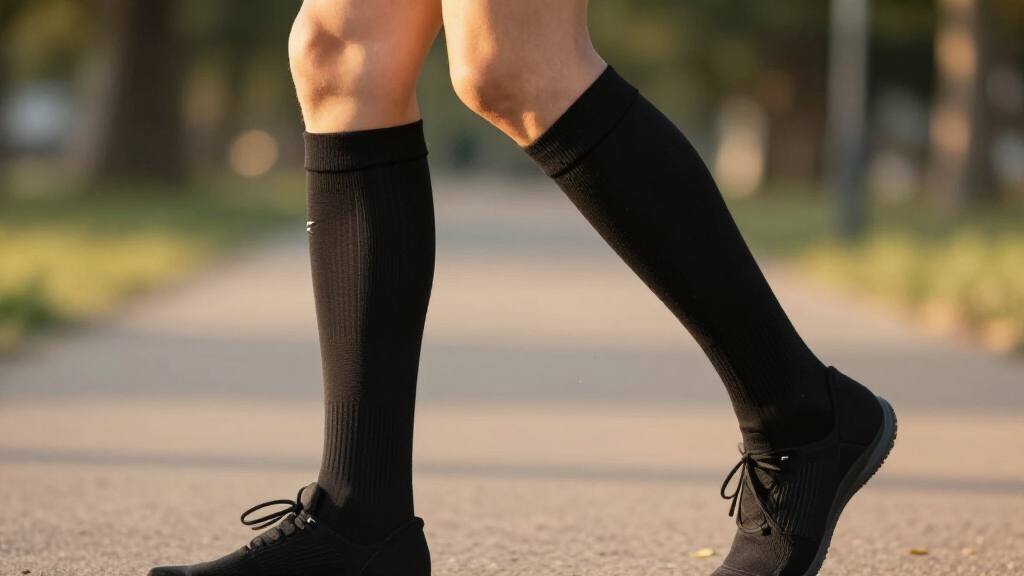
Cut determines what the compression actually acts on. Crew socks compress the calf, which helps with heavy-leg fatigue on long runs but changes how your shoes fit at the collar and can feel warm in summer. Ankle and quarter cuts focus pressure on the arch, pairing better with low-profile racers and everyday trainers, but they offer nothing for calf circulation. Footless sleeves like the Blitzu give maximum calf coverage while letting you wear your preferred sock underneath — a flexible option, though you’re buying two products to get one result. Most runners benefit from owning both a crew or sleeve for long days and an ankle cut for speed work, rather than forcing one style to do everything.
Cushioning and Blister Protection
Compression and cushioning solve different problems, and the balance between them varies widely across this lineup. Runners logging high mileage generally want terry-loop padding under the heel and forefoot, which absorbs impact but adds bulk and can change shoe fit — a real issue in snug racing flats. Thinner compression socks wick better and feel faster, but on hot, sweaty outings they shift the blister-prevention burden onto fabric quality and seam placement. Check seam construction at the toe: a hand-linked or flat toe seam matters more for blister prevention than any amount of cushioning. If blisters are your main complaint, prioritize seamless design and moisture-wicking fabric over compression strength.
Fabric Blend and Durability
Nearly every sock here blends nylon and spandex, but the ratios drive how the sock behaves after twenty wash cycles. Higher nylon content resists pilling and holds shape, while generous spandex percentages deliver that snug, squeeze-in feel out of the box but can relax over time — the most common reason compression socks stop working. Cheaper multi-packs tend to thin at the heel and lose arch pressure faster than smaller premium sets, which is the real cost behind the lower per-pair price. Mesh ventilation zones across the top of the foot make a noticeable difference in summer; without them, a thick compression sock becomes a heat trap. Wash cold and skip the dryer if you want the elastic to last a full training block.
Pack Size and Cost Per Pair
This category spans 3-pair premium sets to 6-pair budget packs, and the per-pair math matters more than the sticker price. A runner training five days a week needs at least five to six pairs to avoid midweek laundry emergencies, which makes 6-packs from BULLIANT, PAPLUS, and Lapulas the practical default for daily trainers. The tradeoff: budget packs usually deliver lighter, less durable compression, so they suit maintenance miles rather than recovery-focused wear. Reserve smaller 3-pair sets with stronger mmHg ratings for long runs, races, and post-run recovery, and rotate cheaper pairs for easy days. Duplicating your premium pair is only worth it if you genuinely wear compression socks daily.
Sizing Accuracy and Fit
Compression socks punish guesswork on size more than any regular athletic sock, because the entire product depends on staying in the intended pressure range. Most brands here size by shoe size rather than calf circumference, which works for ankle cuts but fails for crew socks on runners with muscular or slim calves — the same shoe size can produce completely different pressure levels. Measure your calf at its widest point before buying crew socks or sleeves, and cross-reference the brand’s size chart rather than assuming your usual shoe size translates. A sock that rolls or slides down isn’t just annoying; it means the graduated compression gradient is broken and you’re getting little benefit. When between sizes, runners seeking recovery benefits should size down, while those prioritizing all-day comfort should size up.
Frequently Asked Questions
Should I wear 20-30mmHg compression socks while running or only for recovery?
Both work, but they serve different purposes. During running, 20-30mmHg pressure supports circulation and reduces muscle vibration, which many long-distance runners appreciate on runs over 90 minutes. For shorter or faster sessions, that firmness can feel restrictive, which is why lighter 15-20mmHg socks dominate daily training. Where 20-30mmHg really earns its keep is the hours after a hard run, when stronger pressure aids circulation and reduces the heavy-leg feeling. If you only wear compression socks occasionally, the firmer rating gives you more recovery value per wear; if you want an everyday training sock, the softer athletic pairs in this lineup will get worn far more often.
Are compression sleeves better than compression socks for running?
Sleeves like the Blitzu compress the calf only, leaving your foot free to wear whatever sock suits your shoe and the weather. That flexibility is their biggest advantage — you can pair a thin racing sock with full calf compression, or strip the sleeve off after a run while keeping your socks on. The drawback is cost and coverage: you’re buying a separate product, and your foot gets no arch support or blister protection from the sleeve itself. Full compression socks handle everything in one garment but lock you into a single fabric and cushioning choice. If calf fatigue or shin soreness is your main complaint, sleeves are the better tool; if arch ache and blisters bother you more, full socks win.
Do compression running socks help with plantar fasciitis?
They can take the edge off symptoms, though they won’t fix the underlying cause. Compression around the arch limits how far the plantar fascia stretches with each step, which reduces that sharp morning pain many sufferers describe. Socks designed specifically for the condition — the IRAMY models in this roundup — add structured arch bands and heel compression rather than uniform squeeze, and that targeting makes a real difference in comfort. Wearing them overnight or during long periods on your feet tends to help more than wearing them only while running. Pair them with calf stretching and proper footwear, because compression alone manages symptoms rather than resolving them.
How tight should compression running socks feel?
Properly fitted compression socks feel snug and supportive, never painful or numbing. You should notice firm pressure at the ankle or arch that gradually eases higher up the sock — that gradient is the whole point of graduated compression. Warning signs of a bad fit include tingling toes, deep red pressure marks that linger after removal, or the cuff digging into your calf and cutting off circulation rather than aiding it. A sock that slides down or wrinkles is equally wrong, since it means the pressure gradient has collapsed. When in doubt between two sizes, choose the smaller one for recovery use and the larger one for all-day training wear.
How long do compression running socks last before losing their squeeze?
Most quality pairs hold effective compression for roughly three to six months of regular wear, which translates to about 30 to 50 wash cycles. The elastic fibers degrade faster with heat, so machine washing cold and air drying can stretch that window considerably — a hot dryer is the fastest way to kill a good pair. You’ll know the compression is fading when the sock goes on easily, feels like a normal sock after an hour of wear, or no longer leaves that mild imprint on your skin. Budget multi-packs tend to lose pressure sooner than premium pairs, which is worth factoring into the per-pair cost comparison. Rotating between several pairs also extends each sock’s life, since the elastic recovers between wears.
Conclusion
For most runners, the FITRELL 20-30mmHg Compression Socks are my best overall pick — genuinely graduated pressure, durable construction, and versatility across running and recovery in one sock. For best value, the Lapulas 6-Pack delivers dependable arch compression and blister protection at a per-pair cost nothing else here matches, with the PAPLUS and BULLIANT multi-packs close behind for daily training rotation. Beginners should start with the softer 15-20mmHg crew socks in this lineup, which introduce compression without the adjustment period of firmer pressure. For specific needs: choose the Blitzu Calf Sleeves if your problem is calf and shin fatigue rather than foot issues, and the IRAMY plantar fasciitis styles if heel and arch pain dominate your runs. Whatever you pick, match the mmHg rating and cut to your actual training — the right sock worn at the right time beats the most expensive option worn for the wrong purpose.