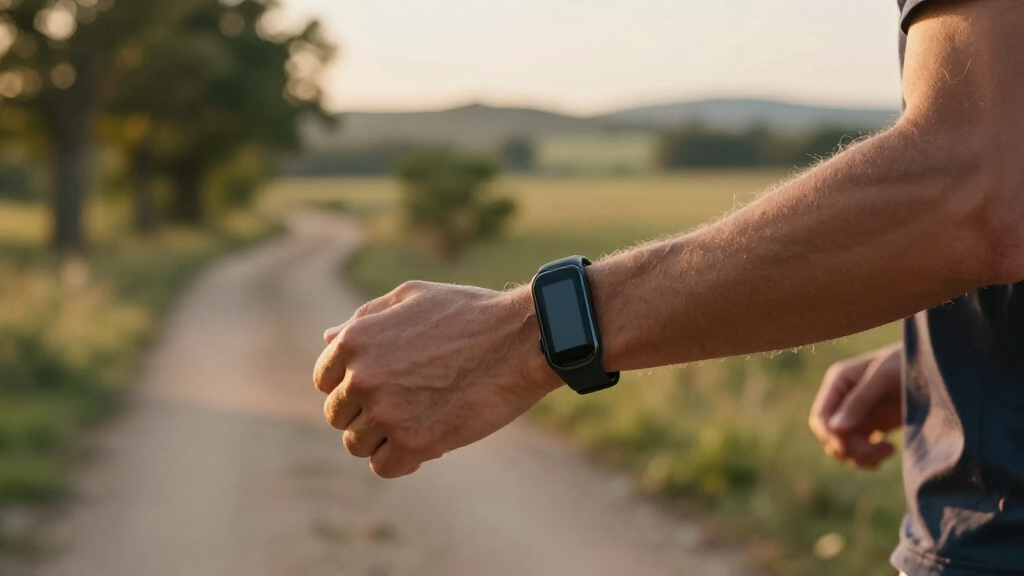

Searching for the best sports performance tracking devices in 2026? The ideal pick depends on your training goals, budget, and preferred features. The EnergyPort Fitness Tracker stands out for its extensive sport modes and long battery life, making it perfect for versatile athletes. The Polar Street X GPS Watch offers precise GPS and a vivid AMOLED display, ideal for runners. Meanwhile, the WHOOP 5.0 excels in detailed sleep and recovery monitoring for serious athletes. Each device balances different priorities—some favor comprehensive health metrics, others emphasize real-time coaching or durability. Keep reading to explore which device best matches your training style and needs.
Complete the kit


Key Takeaways
- Top devices combine extensive sport modes with detailed health metrics, catering to diverse training needs.
- Battery life varies significantly; longer-lasting trackers are better suited for all-day wear without frequent charging.
- Built-in GPS and display quality are key for outdoor athletes, impacting accuracy and usability.
- Subscription models like WHOOP offer advanced insights but add ongoing costs, unlike one-time purchase options.
- The best device depends heavily on user intent—serious athletes prioritize accuracy and metrics, casual users want simplicity and affordability.


| sports performance tracking device | Battery Life | Display | Compatibility |
|---|---|---|---|
| EnergyPort Fitness Tracker wit | 45-60 days standby, 20-30 days regular use | — | Android, iOS |
| Polar Street X GPS Running Spo | Up to 10 days | AMOLED | — |
| Smart Watch Fitness Tracker wi | — | 1.58-inch high-resolution | Android 4.4 / iOS 8.4+ |
| Samsung Galaxy Fit 3 | Up to 14 days | 1.6-inch AMOLED | Android only |
| Fitness Tracker with Heart Rat | 15 days | — | Smart notifications for calls, texts, and apps |
| WHOOP 5.0/MG Activity Tracker | 14+ days | — | — |
| Garmin Catalyst 2 Racetrack Dr | — | 3-inch | — |
| Garmin Catalyst 2 Track Drivin | — | 3-inch touchscreen | — |
| PDC Performance Training Kit | 8 hours | — | iOS/Android |
| Xiaomi Mi Smart Band 10 | 21 days | 1.72-inch AMOLED | — |
More Details on Our Top Picks
EnergyPort Fitness Tracker with Blood Oxygen and 170+ Sport Modes, 60-Day Battery Life, Lifetime Membership, Activity and Health Monitoring for Android and iOS, Includes 2 Bands
This device stands out for its extensive range of over 170 workout modes, making it highly adaptable for users engaged in multiple sports. Compared with the Polar Street X, it offers a longer battery life—up to 60 days—reducing the hassle of frequent charging, which is essential for multi-week training camps or busy schedules. While it excels in activity variety and health monitoring, it’s not intended as a medical-grade device, meaning readings are for general reference. Its lightweight, waterproof design ensures comfort and durability, ideal for all-day wear. However, some advanced features may require initial app setup, and accuracy depends on proper fit.
Pros:- Over 170 workout modes for diverse sports needs
- Exceptional 60-day battery life minimizes charging interruptions
- Lightweight, waterproof, and comfortable for all-day use
- Includes interchangeable bands and lifetime support
Cons:- Not a medical device; readings are for reference only
- Accurate sleep monitoring requires a snug fit
- Some features depend on app configuration
Best for: Active individuals who need comprehensive activity coverage and long-lasting performance without frequent charging
Not ideal for: Users seeking highly detailed health metrics or medical-grade accuracy, or those preferring built-in GPS instead of phone-dependent features
- Workout Modes:170+
- Battery Life:45-60 days standby, 20-30 days regular use
- Waterproof:1ATM (10m depth)
- Weight:25g
- Compatibility:Android, iOS
- Bands:Silicone, nylon (interchangeable)
Our verdict“This tracker is best suited for users who want broad activity tracking and long battery life with minimal fuss.”
Polar Street X GPS Running Sports Watch with AMOLED Display, Waterproof, 170+ Sport Profiles, 10-Day Battery, Wrist Heart Rate Monitor, Built-in Flashlight
The Polar Street X excels in outdoor durability, combining GPS accuracy with a bright AMOLED display that remains visible in direct sunlight. Its waterproof rating of 50 meters and 10-day battery life surpass many competitors like the Samsung Galaxy Fit 3, which offers less robust outdoor features. It supports over 170 sport profiles, making it highly versatile for runners, cyclists, and outdoor adventurers. However, it provides limited health metrics beyond heart rate, lacking the detailed sleep or blood oxygen tracking found in more advanced models. Its higher price point reflects its rugged build rather than advanced health features, making it a good fit for outdoor enthusiasts.
Pros:- Rugged, waterproof, and built for outdoor conditions
- Bright AMOLED display for clear visibility
- Supports over 170 sport profiles for versatility
- Long 10-day battery supports extended outdoor activities
Cons:- Limited health metrics beyond heart rate
- No music or smartphone notifications
- Higher price for basic features
Best for: Outdoor athletes and city runners who need GPS accuracy and durable design
Not ideal for: Indoor gym users or those seeking detailed health insights beyond heart rate and activity profiles
- Display:AMOLED
- Water Resistance:50 m
- Weight:48 g
- Battery Life:Up to 10 days
- GPS Tracking:43 hours
- Sport Profiles:170+
Our verdict“Ideal for outdoor enthusiasts requiring a durable, GPS-enabled sports watch with extended battery life.”
Smart Watch Fitness Tracker with Heart Rate, Blood Oxygen, Blood Pressure, Sleep Monitoring, 120 Sports Modes, IP68 Waterproof for Android and iPhone
This versatile option provides a comprehensive suite of health features, including blood pressure, blood oxygen, and sleep tracking, comparable to the more advanced models like the EnergyPort but with a more traditional smartwatch interface. Its 120 exercise modes cater to various workouts, although it lacks the sheer variety of the EnergyPort’s 170+ modes. The high-resolution display enhances usability, and its IP68 waterproofing supports everyday activities, making it suitable for users who want a device that blends fitness tracking with smart features. The larger feature set may involve a learning curve, and its battery life could be shorter with heavy use, particularly of the GPS and health metrics.
Pros:- High-resolution display with vivid visuals
- Comprehensive health monitoring including blood pressure
- Supports over 120 exercise modes
- IP68 waterproof for daily activities
Cons:- Large feature set can be complex to master
- Battery life details are not specified
- Full functionality depends on smartphone connection
Best for: Fitness enthusiasts who want an all-in-one device for health monitoring and daily notifications
Not ideal for: Pure athletes focused solely on sports performance, who may find the feature set overly broad and interface complex
- Display:1.58-inch high-resolution
- Health Monitoring:Heart rate, blood pressure, blood oxygen, sleep
- Exercise Modes:120+
- Waterproof:IP68
- Compatibility:Android 4.4 / iOS 8.4+
- Additional Features:Notifications, menstrual reminder, camera control
Our verdict“Best suited for users seeking a multifunctional device that combines health data with daily smart features.”
Samsung Galaxy Fit 3 (2025, 40mm) Fitness Tracker with AMOLED Display, Water Resistance, 14-Day Battery, 100+ Watchfaces & Exercise Modes
The Galaxy Fit 3 makes a compelling choice for Android users wanting a stylish, reliable tracker. Its 1.6-inch AMOLED display ensures vibrant visuals, rivaling the high-res screens of the EnergyPort and the Polar Street X. With 14 days of battery life and over 100 exercise modes, it balances durability with practicality. Its water resistance up to 5ATM suits swimmers and outdoor adventurers, but it’s incompatible with iPhones, which limits its appeal for Apple users. The use of a generic fast charger, instead of Samsung’s own, might impact charging efficiency. Compared to the EnergyPort, it offers fewer sport modes but excels in style and battery longevity.
Pros:- Vibrant AMOLED display for bright visuals
- Long 14-day battery life reduces charging needs
- Water resistance up to 5ATM for swimming
- Extensive watchface customization
Cons:- Limited to Android devices; not compatible with iPhone
- No dedicated health metrics like blood oxygen or pressure
- Generic fast charger may not be optimal
Best for: Android users who prioritize style, long battery life, and water resistance for daily activity and swimming
Not ideal for: iPhone owners or users seeking more than 14 days of battery life or advanced health metrics
- Display:1.6-inch AMOLED
- Water Resistance:IP68, 5ATM
- Battery Life:Up to 14 days
- Watchfaces:100+
- Exercise Modes:100+
- Compatibility:Android only
Our verdict“This tracker suits Android users looking for style, water resistance, and extended battery life for daily wear and swimming.”
Fitness Tracker with Heart Rate & Sleep Tracking
This minimalist tracker offers core health features like heart rate, sleep, and blood oxygen monitoring, making it suitable for casual users or those new to fitness tracking. Its 15-day battery life reduces charging frequency, which is a plus for busy lifestyles or travel. The inclusion of three interchangeable bands adds style versatility, though the limited specifications and lack of water resistance might restrict its use during workouts or outdoor activities. Compared with the EnergyPort, it provides fewer sports modes and lacks detailed metrics, making it more of a basic health companion rather than a comprehensive performance device.
Pros:- Long battery life of 15 days
- Lightweight and comfortable for all-day wear
- Includes multiple stylish bands
- Good basic health and sleep monitoring
Cons:- Limited detailed specifications and features
- No water resistance, restricting swim or rain use
- Basic sport tracking without extensive modes
Best for: Budget-conscious users or beginners looking for straightforward health and sleep tracking
Not ideal for: Active athletes or outdoor enthusiasts needing detailed sport metrics or water resistance
- Blood Oxygen Tracking:Yes
- Sleep Monitoring:Yes
- Heart Rate Monitoring:Yes
- Battery Life:15 days
- Bands Included:Metal, silicone, nylon
- Compatibility:Smart notifications for calls, texts, and apps
Our verdict“This tracker is ideal for casual users who want simple health monitoring without extra bells and whistles.”
WHOOP 5.0/MG Activity Tracker with 12-Month Membership and Sleep Monitoring
The WHOOP 5.0/MG stands out for its focus on comprehensive health insights without the distraction of a screen, making it ideal for athletes who prioritize data over notifications. Compared to the Garmin Catalyst 2, which emphasizes racetrack performance, WHOOP offers a broader scope of health metrics, including sleep, recovery, and menstrual cycle tracking. Its long battery life of over 14 days reduces charging interruptions, and the included 12-month membership adds value, though it involves ongoing subscription costs for full access. The device’s waterproof design and personalized coaching make it suitable for continuous wear, but the lack of a display can be frustrating for users who prefer immediate feedback. This pick is best for athletes seeking in-depth health insights with minimal fuss, willing to invest in ongoing membership fees.
Pros:- Long battery life of over 14 days minimizes charging frequency
- Provides extensive health metrics including sleep, recovery, and menstrual cycle
- No screen distractions, focusing solely on actionable data
- Includes a 12-month membership and accessories for complete setup
Cons:- Requires a membership for full functionality, adding ongoing costs
- No display on the device itself, which may be inconvenient for quick checks
Best for: Fitness enthusiasts and endurance athletes who want detailed health tracking without screen distractions
Not ideal for: Casual users or those seeking instant feedback via a display, as WHOOP lacks a screen and requires a subscription
- Battery Life:14+ days
- Membership Duration:12 months
- Waterproof:Yes
- Includes:WHOOP MG device, Luxe band, Wireless PowerPack
- Features:Heart rate monitoring, ECG, blood pressure insights, irregular heart rhythm notifications, personalized coaching
Our verdict“This device suits dedicated athletes who prioritize comprehensive health insights and don’t mind a subscription fee.”
Garmin Catalyst 2 Racetrack Driving Performance Optimizer
The Garmin Catalyst 2 excels at optimizing lap times through real-time coaching and detailed data analysis, making it a top choice for serious drivers. Unlike the Xiaomi Mi Smart Band 10, which offers general activity tracking, Catalyst 2 targets racing performance with patented True Optimal Lap technology and high-quality video export capabilities. Its 3-inch display and HD camera allow for clear session reviews, but it’s limited to racetrack use and depends on a compatible smartphone or tablet for full functionality. The device’s focus on performance analysis over everyday fitness makes it less versatile for general health tracking. This product is best for professional or enthusiast drivers who want precise, data-driven improvements on the track.
Pros:- Provides real-time audible coaching and performance feedback
- Records and exports HD lap videos with data overlays
- Compact design easily mounts in a cockpit
- Includes performance analysis tools and online leaderboards
Cons:- Requires compatible smartphone or tablet and internet connection
- Some features may need a subscription (Vault plan)
- Limited to racetrack use, not suitable for daily fitness tracking
Best for: Motorsport enthusiasts and amateur racers aiming to refine lap times and racing skills
Not ideal for: Casual drivers or those seeking a multi-purpose fitness device, as it is tailored specifically to track racing performance
- Display:3-inch
- Video Resolution:1440p HD
- Connectivity:Wi-Fi
- Includes:Performance data analysis, real-time coaching, lap videos, leaderboards
Our verdict“Ideal for dedicated racers looking for precise lap analysis and coaching to enhance performance.”
Garmin Catalyst 2 Track Driving Performance Optimizer with Real-Time Audio Coaching, 1440P HD Camera & Data Analysis Bundle
The Garmin Catalyst 2 Bundle offers a comprehensive setup with real-time audio coaching, HD recording, and advanced data overlays, making it perfect for drivers committed to improving lap times. Compared to the standalone Garmin Catalyst 2, this bundle adds accessories that facilitate detailed session reviews and immediate feedback, including Bluetooth-enabled earbuds for real-time coaching. The 1440P HD camera captures high-quality footage, but the device’s complexity and price may deter casual users or beginners. Its focus on performance analytics makes it less suitable for general fitness tracking. This pick is best for experienced track drivers looking for a full-featured coaching and review system.
Pros:- Real-time audio coaching for immediate performance correction
- Records HD videos with rich data overlays
- Includes accessories for complete session review
- Analyzes performance to pinpoint top improvement areas
Cons:- High purchase price, especially for the full bundle
- Setup can be complex for newcomers
- Requires Bluetooth earbuds or a car stereo for coaching
Best for: Advanced track drivers and racing enthusiasts seeking detailed session analysis and real-time feedback
Not ideal for: Beginners or those wanting an all-in-one fitness tracker, as it’s specialized for racing performance
- Camera Resolution:1440P HD
- Display:3-inch touchscreen
- Connectivity:Bluetooth, multi-GNSS (25 Hz)
- Included Accessories:USB Charger, cables, cleaning kit
- Technology:True Optimal Lap, Data Overlays, Real-Time Audio Coaching
Our verdict“Best suited for dedicated racers who want in-depth feedback and video review capabilities to hone their skills.”
PDC Performance Training Kit – Bluetooth Motion Tracking Device for Powerlifting and Strength Training
The PDC Performance Training Kit offers an affordable way to quantify strength and power movements with Bluetooth motion tracking, making it suitable for powerlifters and weightlifters. While its price is accessible compared to high-end performance analyzers, the limited customer feedback and relatively low rating of 2.9/5 suggest it may lack the reliability or accuracy of more established devices. The kit’s compatibility with both iOS and Android, along with multiple attachment options, broadens its usability, but the sparse technical details on tracking precision mean users should approach expectations cautiously. This device is best for budget-conscious athletes looking for basic motion data to supplement their training.
Pros:- Affordable professional-grade motion tracking
- User-friendly app with video storage capabilities
- Long battery life of 8 hours and wide connectivity range
- Multiple attachment options for varied training setups
Cons:- Limited customer reviews and low overall rating raise concerns about reliability
- Lack of detailed specifications on tracking accuracy
Best for: Powerlifters and strength athletes on a budget seeking basic motion insights
Not ideal for: Advanced athletes or those requiring precise, validated tracking data, due to limited reviews and mixed satisfaction
- Included Components:Carry bag, PDC Bluetooth Performance Clip, attachment bands, charging cable
- Battery Life:8 hours
- Range:50 meters
- Compatibility:iOS/Android
- Product Rank:#221,374 in Sports & Outdoors, #557 in Activity & Fitness Trackers, #1,494 in Electronics & Gadgets
Our verdict“Suitable for entry-level strength athletes who want simple motion data without a hefty investment.”
Xiaomi Mi Smart Band 10 (2025) Global Version – 1.72″ AMOLED Display, 21 Days Battery Life, Heart Rate & Multi-Sport Tracker, Touchscreen, BT5.4
The Xiaomi Mi Smart Band 10 offers a large, bright AMOLED display with excellent sunlight visibility, making it ideal for everyday activity tracking. Unlike the WHOOP, which emphasizes health metrics over notifications, the Mi Band provides a more general fitness experience, suitable for casual athletes or those new to tracking devices. Its 21-day battery life and fast charging make it practical for regular wear, but some users may find its limited support for measurement units and reliance on third-party apps a barrier for detailed customization. It’s not designed for serious performance analytics but offers reliable basic activity and sleep monitoring. This band makes the most sense for users seeking a versatile, long-lasting tracker for daily fitness and sleep without the complexity of advanced features.
Pros:- Large, bright AMOLED display with sunlight visibility
- Long battery life of up to 21 days minimizes charging
- Accurate activity and sleep tracking, including swimming
- Fast charging for quick power-up
Cons:- Limited support for measurement units without third-party apps
- Requires third-party apps for full feature customization
- Some features depend on app connectivity for optimal use
Best for: Casual exercisers and everyday fitness enthusiasts who want a large display and long battery life
Not ideal for: Athletes requiring detailed sports performance data, as it lacks advanced metrics and customization options
- Display:1.72-inch AMOLED
- Battery Life:21 days
- Charging:Fast charging (1 hour)
- Brightness:1500 nits
- Connectivity:BT5.4
- Special Features:Heart rate monitor, multi-sport tracker, sleep monitoring, electronic compass
Our verdict“Perfect for casual users who want a large display, long battery life, and basic activity tracking for daily life.”
How We Picked
The ranking process focused on performance, usability, durability, and value. We evaluated each device’s tracking accuracy, battery life, user interface, and compatibility with both Android and iOS. Devices with versatile sport modes and comprehensive health metrics scored higher, as they better serve diverse training routines. We also considered build quality, ease of use, and whether additional costs like subscriptions impacted overall value. Our goal was to identify options suitable for a range of users—from casual joggers to professional athletes—while emphasizing real-world utility and long-term reliability.| sports performance tracking device | Compatibility |
|---|---|
| EnergyPort Fitness Tracker wit | Android, iOS |
| Polar Street X GPS Running Spo | — |
| Smart Watch Fitness Tracker wi | Android 4.4 / iOS 8.4+ |
| Samsung Galaxy Fit 3 | Android only |
| Fitness Tracker with Heart Rat | Smart notifications for calls, texts, and apps |
| WHOOP 5.0/MG Activity Tracker | — |
| Garmin Catalyst 2 Racetrack Dr | — |
| Garmin Catalyst 2 Track Drivin | — |
| PDC Performance Training Kit | iOS/Android |
| Xiaomi Mi Smart Band 10 | — |
Factors to Consider When Choosing Sports Performance Tracking Devices
Choosing the right sports performance tracking device requires balancing your training goals, budget, and preferred features. Consider how much you value metrics like GPS accuracy, heart rate monitoring, and sleep tracking, as these vary across models. Battery life can make or break usability if you train frequently or long hours. Compatibility with your smartphone ecosystem and ease of use are also important—complex interfaces can be frustrating. Lastly, think about the ongoing costs, such as subscription fees for advanced features, which can add up over time. Making a thoughtful choice ensures your device enhances your training without unnecessary hassle or expense.Performance Metrics and Accuracy
For serious athletes, precise GPS, heart rate monitoring, and recovery metrics are essential. Devices with multi-sensor accuracy tend to provide more reliable data, which can influence training decisions. Casual users might prioritize simpler step counting or sleep tracking, where less precision is acceptable. Be wary of budget models that promise a lot but deliver inconsistent data—accuracy matters when tracking progress or optimizing performance. Consider your training intensity and whether detailed analytics will actually improve your results or if basic tracking suffices.
Battery Life and Usability
Battery longevity impacts how seamlessly a device fits into your routine. Longer battery life reduces the need for daily charging, which is especially important during long training sessions or trips. Some models offer multi-day endurance but may compromise on features like display brightness or GPS accuracy. Conversely, devices with shorter battery life often compensate with faster charging or lighter designs. Think about how often you’d be willing to recharge and whether quick access to data outweighs longer periods of use without interruption.
Display and User Interface
A clear, responsive display enhances usability, particularly during workouts. AMOLED screens provide vibrant visuals, making it easier to read metrics on the go, while simpler LCDs may be less immersive but more energy-efficient. Ease of navigation and customization also matter—intuitive interfaces prevent frustration and help you quickly access key data. Consider whether you prefer a touchscreen or physical buttons, especially if you often train in wet conditions or with gloves. A well-designed UI can make a significant difference in how effectively you utilize your device.
Durability and Design
Performance trackers need to withstand your training environment, whether that’s rain, sweat, or rough handling. Devices with water resistance and sturdy build quality are better suited for outdoor or intense workouts. Additionally, comfort and style influence whether you’ll want to wear the device all day. Bulky or heavy models might be less appealing for prolonged wear, while sleek designs can double as everyday accessories. Balancing durability with comfort ensures you stay consistent in your training without sacrificing style or practicality.
Cost and Subscription Fees
While some devices come with a higher upfront price, they might not require ongoing payments, offering better long-term value. Others, like WHOOP, depend on subscriptions for advanced features, which can increase total costs over time. Evaluate whether the features justify the extra expense and if you genuinely need those insights to meet your goals. Budget options may lack some premium features but still offer core tracking, making them suitable for casual users. Clarifying your needs versus your willingness to pay ongoing fees helps prevent overspending on unnecessary extras.
Frequently Asked Questions
How accurate are sports performance tracking devices for running?
Most high-quality devices with GPS and heart rate sensors provide reasonably accurate data for running, especially in open outdoor environments. However, accuracy can vary based on signal quality, device placement, and environmental factors like tall buildings or dense forests. For serious runners, investing in models with advanced GPS and multi-sensor calibration enhances reliability. Keep in mind that no wearable is perfectly precise, but choosing one with good reviews and proven technology minimizes errors during your workouts.
Can I wear a sports tracker all day without discomfort?
Many modern trackers are designed for all-day wear, with lightweight, breathable materials and ergonomic shapes. Devices with adjustable straps and slim profiles tend to be more comfortable for extended use. However, some models with bulky designs or rigid materials might cause discomfort during prolonged wear, especially if your skin is sensitive. If you plan to wear your device constantly, prioritize those with a proven track record of comfort and durability, and consider trying different strap materials or sizes to find what works best for you.
Are subscription services necessary for advanced performance metrics?
Subscription services like WHOOP or certain Fitbit premium features often unlock deeper insights into sleep, recovery, and training analytics. While basic tracking functions are usually included with the device, these additional services can provide valuable data for dedicated athletes seeking precise progress tracking. However, for casual users, free or one-time purchase models may offer sufficient features without ongoing costs. Carefully evaluate whether the extra insights align with your training goals before committing to a subscription.
Which device is best for recovery and sleep monitoring?
Devices like WHOOP 5.0 excel in detailed recovery and sleep tracking, providing insights into your readiness and overall health. They use advanced sensors and analysis to help optimize rest and prevent overtraining. However, they typically require a subscription for full features. Simpler devices such as the Xiaomi Mi Band or fitness trackers from Fitbit can also monitor sleep and provide basic recovery metrics at a lower cost. Choose based on how deeply you want to understand your sleep patterns and recovery, balancing cost and feature depth.
Is a built-in GPS necessary for outdoor training?
For outdoor activities like running or cycling, a built-in GPS significantly enhances tracking accuracy, especially when mapping routes or measuring pace. Devices without GPS rely on connected smartphone signals, which can be less reliable or drain your phone’s battery quickly. If precise location data is critical to your training, investing in a device with integrated GPS makes sense. However, if you mainly train indoors or don’t need route mapping, a GPS-free tracker may suffice, offering longer battery life and simpler features.
Conclusion
For casual exercisers or those new to performance tracking, the Samsung Galaxy Fit 3 offers solid features at an affordable price. Serious athletes seeking detailed metrics and coaching will benefit most from the WHOOP 5.0 despite its ongoing costs. Those looking for a versatile, all-purpose device should consider the EnergyPort Fitness Tracker for its broad sport mode support and long battery life. If you prioritize durability and outdoor use, the Polar Street X GPS Watch provides precise tracking and a vivid display. Match your choice to your training intensity, budget, and desired features for the best results.