
TL;DR
High-performance running shoes feature innovative foams, carbon plates, and lightweight materials to boost speed and reduce fatigue. Choosing the right pair depends on your foot type, race distance, and personal preferences—these shoes are game-changers for serious runners.
Imagine slicing through air like a blade, every step feeling lighter than the last. That’s what a truly high-performance running shoe offers. It’s not just about style or brand name; it’s about technology that transforms your stride, pushes your limits, and keeps injuries at bay.
If you’re serious about hitting new personal bests or just want to run comfortably at faster paces, understanding what makes a shoe high-performance is key. In this guide, we’ll explore the latest innovations, how to pick the right pair for you, and what features actually make a difference on the road or trail.
High-performance shoes feature advanced foams and carbon plates that can improve running economy by up to 4%.
Choosing the right shoe depends on understanding your gait, race distance, and terrain—fit is king.
Replace running shoes every 300-500 miles to avoid injury and maintain optimal performance.
Investing in high-tech shoes can offer performance gains, but mid-range options often suffice for casual runners.
Emerging tech like smart sensors and sustainable materials are shaping the future of high-performance running shoes.
What Makes a Running Shoe High-Performance? Expect These Features
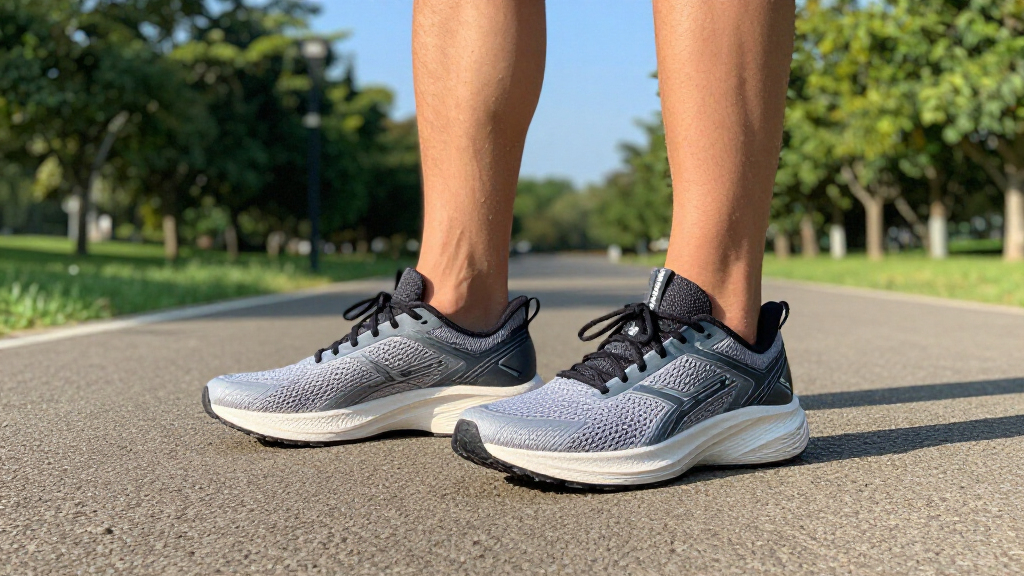
High-performance running shoes are packed with cutting-edge tech designed to enhance speed, energy return, and comfort. Think of them as race cars, built with precision and speed in mind. Key features include advanced midsole foams like Nike’s ZoomX or Adidas’ Boost, which absorb shock and bounce back energy.
Another big factor is carbon fiber plates. These thin, stiff plates nestled in the midsole act like tiny turbochargers, propelling you forward with each stride. Runners report feeling like they’re getting a push, especially during long races. The implication is that these plates help maintain a higher cadence with less effort, but they can also alter running mechanics, so adaptation is necessary. The tradeoff is that while they boost efficiency, they may reduce flexibility or feel less forgiving on uneven terrain.
Lightweight materials are also crucial. The best shoes use fabrics and composites that cut weight without sacrificing durability. Imagine running in a cloud that’s as light as a feather—your legs will thank you. However, lighter shoes often have less padding and durability, so runners must balance weight savings with comfort and longevity.
Traction and stability matter too, especially on varied surfaces. Durable rubber outsoles with textured patterns grip the pavement, track, or trail, preventing slips. And let’s not forget fit: a snug, comfortable hold prevents hotspots and blisters, allowing you to focus solely on your run. Proper fit can also influence injury risk, as misfitting shoes can lead to blisters, stress fractures, or joint strain.
Latest Tech That’s Changing the Game in Running Shoes
Recent innovations have pushed high-performance shoes into a new realm. For example, Nike’s ZoomX foam offers a 60% increase in energy return compared to traditional EVA foams. This means runners expend less effort for the same speed, which can translate into better race times or less fatigue over long distances. The implication is that energy return materials directly impact endurance and overall performance, but they often come with tradeoffs such as increased cost or reduced durability over time.
Carbon fiber plates, like those in Nike’s Vaporfly or Saucony’s Endorphin series, are now standard in marathon racing shoes. These plates not only reduce energy loss but also influence running economy—meaning runners can sustain higher speeds with less effort, especially in long-distance events. However, they can alter stride mechanics and may cause discomfort if not properly fitted, highlighting the importance of proper shoe selection and adaptation.
We also see a rise in lighter materials. Brands are experimenting with nano-fabrics and composites that shave grams off each shoe, making them feel almost weightless during long runs. The tradeoff is that ultra-light shoes might sacrifice some durability or cushioning, so runners need to assess whether the benefits outweigh these potential drawbacks for their specific needs.
And eco-conscious runners will appreciate the new wave of sustainable materials. Some brands use recycled plastics, plant-based foams, and biodegradable outsoles, striking a balance between performance and environmental responsibility. While these materials aim to match traditional performance standards, they may sometimes have slightly different wear characteristics, requiring runners to consider longevity alongside sustainability.
Finally, smart shoes equipped with sensors are entering the market, providing real-time feedback on your gait, stride, and performance metrics. This tech helps runners fine-tune their form and avoid injury, but it also raises questions about data privacy and the need for proper interpretation of feedback to avoid overcorrecting or misjudging performance.
Choosing the Right High-Performance Shoe for Your Running Style
Not all high-performance shoes are one-size-fits-all. Your choice should match your foot type, running style, and race goals. For example, if you overpronate, look for shoes with stability features like medial posts or support plates. Selecting the wrong shoe can lead to inefficient movement patterns, increased fatigue, or injury over time, so understanding your biomechanics is essential.
If you’re a neutral runner focusing on marathons, shoes with a carbon plate and responsive foam can help you shave minutes off your time. However, these shoes are often stiffer and less forgiving, so they may require an adaptation period. Trail runners need durable outsoles with deep lugs for grip and extra protection against rocks and roots, but they also need to consider weight and flexibility to avoid fatigue on uneven terrain.
Here’s a quick guide to picking your perfect fit:
- Identify your gait: Neutral, overpronator, or underpronator. This influences support needs and can prevent injuries caused by improper biomechanics.
- Match your distances: Long-distance shoes often prioritize cushioning to absorb repetitive impact, but excessive cushioning can reduce ground feel. Shorter races benefit from lighter, more responsive shoes that promote a quicker turnover.
- Try them on: Walk, jog, and test in-store or with a trial run. Comfort, fit, and how the shoe responds to your gait are crucial for preventing discomfort and injury.
- Consider your terrain: Pavement, trail, or track? Match outsole features accordingly. Terrain-specific shoes can provide better grip, protection, and durability, impacting overall performance and safety.
- Set a budget: High-tech shoes range from $100 to $250. Investing wisely involves balancing technological benefits with your running goals and frequency. Sometimes, spending more upfront can save on injuries and replacements later.
Remember, a shoe that fits perfectly and suits your running style can improve your performance and reduce injury risk. Don’t settle for less just because a shoe is popular or expensive; personal fit and biomechanics matter most.
How to Know When It’s Time to Replace Your Running Shoes
Running shoes don’t last forever. The general rule is to replace them every 300-500 miles. When they start to feel less responsive or show visible signs of wear—like worn-out soles, frayed uppers, or loss of cushioning—it’s time for new kicks. Ignoring these signs can lead to decreased shock absorption, altered gait, and increased injury risk.
Running on worn-out shoes is akin to running on a compromised shock absorber—your joints and muscles absorb more impact, which can cause overuse injuries or exacerbate existing issues. Many runners notice aches or pains after long runs that weren’t there before, indicating their shoes are no longer providing adequate support or cushioning.
Keep a mileage log or use a running app to track your shoes’ usage. Rotating between two pairs extends their lifespan and provides a comparison to determine when each needs replacing. Additionally, inspecting shoes regularly for signs like sole wear patterns or compression of midsole materials can help you make timely replacements.
Properly caring for your shoes—like airing them out after runs and avoiding washing with harsh detergents—also extends their lifespan. However, the most reliable indicator remains how your shoes feel and look during use. Listening to your body and examining your shoes regularly ensures you maintain optimal performance and injury prevention.
Are Expensive Shoes Worth It? The Cost vs. Performance Debate
Yes, high-end shoes often pack more tech—like carbon plates, superior foams, and lighter materials—that can give you a tangible edge. For instance, a pair of Nike Vaporflys can add 2-4% efficiency, which can be the difference between finishing strong or just finishing. These technological advantages can translate into faster race times, less fatigue, and potentially fewer injuries due to better shock absorption and support.
However, expensive isn’t always necessary. If you’re a casual runner or just starting, a mid-range shoe with decent cushioning and support can serve you well. The key is proper fit and comfort, which often outweigh the brand or price tag. Sometimes, the most expensive shoe may not suit your biomechanics or running style, so understanding your needs is essential.
Think of it like buying a car. A luxury sports car offers speed and finesse, but a reliable sedan gets you from A to B just fine. The same goes for running shoes—choose what matches your goals, running frequency, and budget. Investing in the right shoe can reduce injury risk and improve performance, especially for serious runners, but for occasional runs, more affordable options often suffice.
Research shows that investing in good shoes can reduce injury risk and improve performance, especially for serious runners training daily. But for light or occasional running, a quality mid-tier shoe can do the job without breaking the bank.
Frequently Asked Questions
How do I choose the best high-performance running shoes for my foot type?
Start by identifying your gait—neutral, overpronation, or underpronation. Visit a specialty store for a gait analysis or consult a podiatrist. Match your foot type with shoes offering appropriate support or stability to maximize comfort and performance.
Are expensive shoes really worth the investment?
High-end shoes often pack tech like carbon plates and superior foams that can boost efficiency and reduce fatigue. For competitive runners or those training intensely, the performance gains can justify the cost. Casual runners may find mid-range shoes just as effective.
How often should I replace my running shoes?
Typically every 300-500 miles, depending on your running style and shoe wear. Pay attention to how your shoes feel—loss of cushioning, uneven wear, or discomfort signals it’s time for a new pair.
Can I use racing shoes for everyday training?
Yes, but with caution. Racing shoes are designed for speed and short-term use; they tend to be less durable. Using them for regular runs might wear them out faster, but if comfort and performance match your needs, they can be a good lightweight option.
What are the latest innovations in high-performance running shoes?
Recent tech includes carbon fiber plates, responsive foams like Nike’s ZoomX, and smart sensors. These innovations aim to improve energy return, reduce fatigue, and provide data for better running form.
Conclusion
Your shoes are your most reliable teammate on the road or trail. Selecting a pair with advanced cushioning, light weight, and proper fit can turn a good run into a great one—and help you stay injury-free.
Next time you lace up, think about your gear as an extension of your body’s potential. The right shoes aren’t just equipment—they’re your secret weapon for pushing harder, running faster, and feeling better every mile.