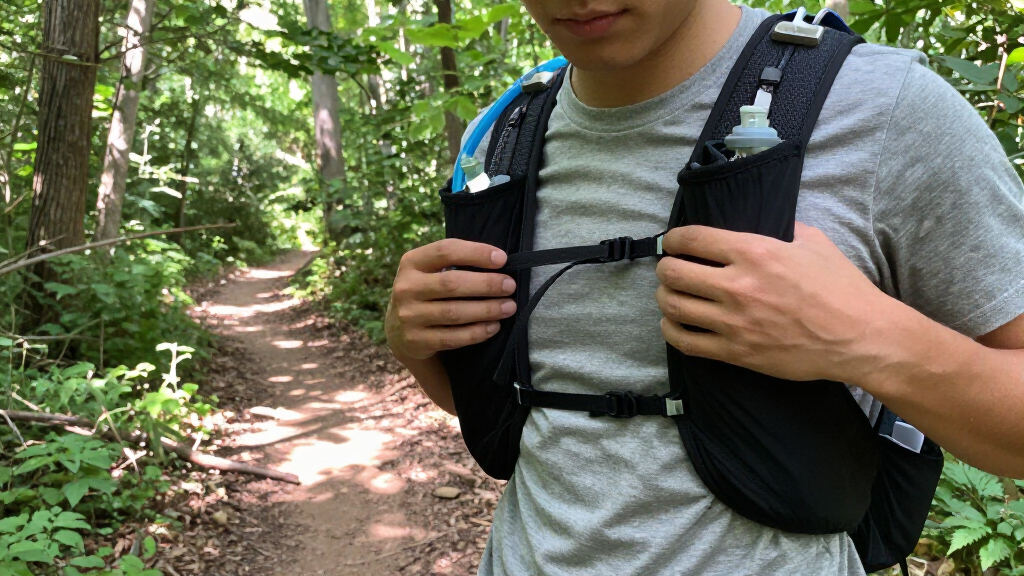
The right hiking hydration pack keeps water within reach without turning your back into a sweaty, bouncing mess — and after comparing 15 of the most popular options, a few clear winners emerged. The Water Buffalo Sherpa 22L earns my best overall pick for pairing a genuinely comfortable harness with enough cargo room for all-day hikes, while the Teton Oasis lineup stands out for its sewn-in rain cover and dual 18L/22L sizing that fits both fast day hikes and gear-heavy treks. Budget hikers should look at the Maelstrom hydration packs, which deliver a usable 2L bladder and lightweight fit for roughly half the price of premium brands. The main tradeoff in this category is simple: capacity and durability versus weight and price, and bladders vary widely in leak resistance and ease of cleaning. Keep reading for the full breakdown of which pack fits your hiking style, budget, and torso size.
Complete the kit


Key Takeaways
- The Water Buffalo Sherpa 22L won best overall because it was the only pack that combined a 22L cargo capacity with a harness comfortable enough for 8+ hour days — most competitors forced a choice between storage and comfort.
- Budget picks like the Maelstrom and generic ‘Lightweight Hydration Backpack’ models proved that sub-$30 packs work fine for short hikes, but their bladders showed the weakest leak-proofing and are often better replaced with a name-brand reservoir.
- Teton‘s Oasis/Trailrunner family dominated the mid-range because of one feature no competitor matched at the price: a sewn-in rain cover that protects gear in sudden weather without occupying pack space.
- 3L bladders (Noola, NEVO RHINO, MARCHWAY) make sense only for hot climates or long waterless stretches — they add weight and bulk that casual day hikers don’t need, and a 2L reservoir suits most 3-5 hour hikes.
- The standalone hydration bladder product and the Zelvot running vest bookend the category: one is for upgrading an existing pack, the other sacrifices cargo space entirely for fast, bounce-free movement — neither replaces a true hiking hydration pack.


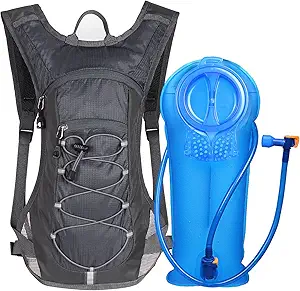
| hiking hydration pack | Material |
|---|---|
| Noola Hydration Backpack with | 900D nylon |
| MIYCOO Hydration Backpack with | — |
| Teton Oasis Hydration Backpack | High-density foam, breathable mesh |
| Maelstrom Hydration Backpack w | Nylon |
| Lightweight Hydration Backpack | PU-coated nylon |
| Teton Oasis/Trailrunner Hydrat | High-density foam, breathable mesh |
| Water Buffalo Sherpa 22L Hikin | — |
| Teton Oasis/Trailrunner Hydrat | High-density foam, breathable mesh |
| Lightweight Hydration Backpack | 100% nylon |
| N NEVO RHINO Hydration Backpac | 100% nylon |
| Hydration Bladder | BPA-free |
| Unigear Hydration Pack Backpac | — |
More Details on Our Top Picks
Noola Hydration Backpack with 3L Water Bladder, Tactical Pack for Hiking
Most packs in this roundup trade storage for weight savings, but the Noola goes the opposite direction. With a 3L TPU bladder and nine pockets, it carries enough water and gear for a full day on the trail — something the MIYCOO and its 2L bladder simply can’t match for long, water-scarce routes. The 900D nylon shell feels far more abrasion-resistant than the lightweight PU-coated builds elsewhere in this list, and MOLLE webbing lets you clip on trekking pole holders or extra pouches. The tradeoff is bulk: compared with the 8.5-ounce minimalist pack later in this guide, the Noola is overbuilt for short day hikes or runs, and there are no reflective accents for anyone finishing near dusk.
Pros:- 3L BPA-free TPU bladder handles long stretches without refills
- Durable 900D nylon resists abrasion on rocky terrain
- Nine pockets keep snacks, layers, and tools sorted
- MOLLE webbing expands capacity with external attachments
Cons:- Bulky for minimalist users and short outings
- No reflective elements for low-light visibility
- Limited color options
Best for: Day hikers covering long, water-scarce routes who need 3L of capacity plus organized gear storage
Not ideal for: Runners and fast-packers — the tactical build and extra pocket count add bulk that slows you down
- Material:900D nylon
- Water Bladder:3L BPA-free TPU
- Pockets:9 (4 zippered, 5 multi-compartment)
- MOLLE Compatible:Yes
- Build:Lightweight tactical
- Best Use:Hiking, outdoor sports
Our verdict“Buy this if your hikes are long, dry, and gear-heavy — skip it if you count ounces.”
MIYCOO Hydration Backpack with 2L Water Bladder for Hiking, Cycling, and Running
The MIYCOO punches above its price with features usually reserved for pricier picks: a leak-proof 2L bladder, breathable mesh straps with silica gel padding, and — rare at this price — insulation that keeps water cold for about four hours. Compared with the similarly sized Maelstrom running vest, the MIYCOO adds insulated storage and shoulder-strap pockets that put gels and a phone within reach, making it the more versatile all-rounder for the money. Its limits show on big days: 2L of water runs dry on long summer hikes where the Noola’s 3L bladder keeps going, and the styling is plain. For casual hikers and cyclists who want cold water and solid comfort without a premium outlay, this pick makes the most sense.
Pros:- Insulated bladder keeps water cold for roughly 4 hours
- Breathable mesh shoulder straps with silica gel padding
- Five pockets including two on the shoulder straps
- 1-year warranty adds purchase confidence
Cons:- 2L capacity limits long-haul use
- Basic design lacks premium touches
- Insulation adds a little bulk versus bare-bones packs
Best for: Budget-conscious hikers and cyclists who want insulated cold-water storage and everyday comfort
Not ideal for: All-day hikers in hot climates — 2L won’t cover a full day without a refill source
- Water Capacity:2L
- Bladder Material:Food-grade, BPA-free
- Insulation:Yes — keeps water cold up to 4 hours
- Shoulder Straps:Breathable mesh with silica gel
- Pockets:5
- Warranty:1 year
Our verdict“The smart spend for casual trail users who value cold water and comfort over maximum capacity.”
Teton Oasis Hydration Backpack – Lightweight Water Pack with Bladder for Hiking, Running, Cycling, Biking – 18L/22L Sizes – Sewn-in Rain Cover
This is the pick I’d point most hikers toward first, because it solves the problems the others leave open. The sewn-in rain cover is the standout — no other pack in this batch protects gear from sudden weather, and the weather-resistant zippers back it up. Unlike the fixed-size MIYCOO or Maelstrom, the Oasis comes in 18L and 22L sizes with adjustable, breathable straps, so you can match torso and cargo needs instead of compromising. The insulated bladder pocket keeps water cooler for longer, a feature the Noola lacks entirely. Tradeoffs are modest: 2L of water is less than the Noola’s 3L, color choices are thin, and 22L still won’t swallow gear for an overnight. For all-around day hiking, this model is better balanced than anything else here.
Pros:- Sewn-in rain cover protects gear in sudden weather
- Two size options (18L/22L) fit more body types
- Insulated bladder pocket keeps water cool
- Adjustable straps and breathable mesh for long-wear comfort
Cons:- 2L bladder is smaller than the Noola’s 3L
- Limited color options
- Storage still insufficient for multi-day trips
Best for: All-around day hikers who want weather protection, sizing options, and organized storage in one pack
Not ideal for: Minimalist runners who want a featherweight vest — the Oasis carries more structure and weight than needed
- Pack Capacity:18L or 22L
- Water Bladder:2L
- Material:High-density foam, breathable mesh
- Rain Cover:Sewn-in
- Zippers:Weather-resistant
- Fit:Adjustable, fits men and women
Our verdict“The most complete day-hiking hydration pack in this lineup — buy it unless you need ultralight or 3L capacity.”
Maelstrom Hydration Backpack with 2L Water Bladder, Lightweight Running Vest
Where most packs here are hikers first, the Maelstrom is built for moving fast. At just 1.1 pounds, it’s noticeably lighter than the gear-focused Noola, and the reflective strips — absent from both the Noola and MIYCOO — make it the clear choice for anyone running or riding at dawn or dusk. The chest strap adjusts across a 22.4–61 inch range, one of the widest in this roundup, so the fit stays stable at a jog instead of bouncing. A clever helmet-storage feature suits cyclists who hop off the bike mid-ride. The compromises: 2L is the ceiling, the bladder sleeve won’t accept larger reservoirs, and trail organization is thinner than the Teton Oasis’s compartment layout. This model is better suited to fast, short outings than full-day treks.
Pros:- Reflective strips for dawn and dusk visibility
- Featherlight 1.1 lb build won’t slow you down
- Wide-range chest strap (22.4–61 in) locks the fit in place
- Helmet storage for cycling
Cons:- 2L capacity with no room for a larger bladder
- Less gear organization than the Teton Oasis
- Focused design limits versatility beyond running and hiking
Best for: Trail runners and cyclists who train in low light and need a stable, bounce-free vest
Not ideal for: All-day hikers — the 2L ceiling and slim storage can’t carry enough water or gear
- Water Capacity:2L
- Weight:1.1 lbs
- Material:Nylon
- Bladder Material:PEVA (BPA-free)
- Chest Strap Range:22.4–61 inches
- Safety Features:Reflective strips
Our verdict“The pick for fast movers who need visibility and a locked-in fit over capacity.”
Lightweight Hydration Backpack with 2L Water Bladder
At 8.5 ounces, this is the lightest pack in the roundup by a wide margin — the Maelstrom weighs roughly double, and the Noola feels like armor by comparison. For runners, cyclists, and fast day hikers, that near-weightless feel changes the whole experience: you forget it’s on. The leak-proof, food-grade 2L bladder and breathable mesh back handle the basics well, and a 12L main compartment swallows a shell and snacks. But minimalism cuts both ways. Shoulder straps max out at 34 inches, so larger-framed hikers may struggle for a comfortable fit, and there’s none of the weather protection or sizing flexibility the Teton Oasis offers. The bladder also demands diligent drying to prevent mold — a maintenance habit ultralight designs don’t forgive.
Pros:- Featherweight 8.5 oz build disappears on your back
- Leak-proof, food-grade 2L bladder
- Breathable mesh back prevents sweat buildup
- 12L compartment holds essentials for short outings
Cons:- Shoulder strap limit of 34 inches may not fit larger bodies
- Insufficient capacity for longer trips
- Bladder needs careful drying to avoid mold
Best for: Weight-obsessed runners and fast-packers who want to forget the pack is there
Not ideal for: Larger-framed hikers and long-trip planners — the 34-inch strap limit and 12L capacity are real constraints
- Pack Capacity:12L
- Weight:8.5 oz
- Water Bladder:2L BPA-free
- Material:PU-coated nylon
- Shoulder Straps:Adjustable up to 34 inches
- Chest Strap:2.4–7.9 inches
Our verdict“Buy it purely for the featherweight feel on short, fast outings — everyone else should size up.”
Teton Oasis/Trailrunner Hydration Backpack – 2L/3L Bladder, 18L/22L Sizes
Between the two Teton entries on this list, I’d point most day hikers toward this one because the sewn-in rain cover does something competitors skip: it protects gear when the sky turns without requiring a separate purchase. Compared with the Water Buffalo Sherpa 22L, the Teton trades a couple of organizational pockets for weather readiness — the weather-guarded zippers and rain cover make it the safer bet for alpine or shoulder-season hikes where afternoon storms are routine. The insulated bladder keeps water drinkably cool, which matters more than it sounds on exposed ridgelines. The bungee cord system handles a shell jacket or helmet easily.
Tradeoff: the 18L/22L storage sits in the middle of the pack — fine for day trips, but the Sherpa beats it for gear-heavy outings, and unlike the N NEVO RHINO it caps out at a 3L bladder with no insulation rating beyond basic.
Pros:- Sewn-in rain cover and weather-guarded zippers protect gear in storms
- Insulated bladder keeps water cold for hours
- Adjustable fit works for men, women, and youth
- Bungee cord system carries outer layers or a helmet
Cons:- Storage is tight for full-day or winter trips
- Bladder and hose need regular cleaning to avoid buildup
- Fit runs snug on broader torsos
Best for: Day hikers in rainy or unpredictable climates who want built-in weather protection
Not ideal for: Minimalist runners or riders — the rain cover and extra features add bulk over a bare-bones vest like the Zelvot
- Water Capacity:2L or 3L bladder
- Storage Capacity:18L or 22L
- Material:High-density foam, breathable mesh
- Weather Protection:Sewn-in rain cover, weather-guarded zippers
- External Storage:Bungee cord system
- Insulation:Insulated bladder sleeve
- Fit:Adjustable straps, unisex/youth sizing
Our verdict“This is the pick if your hikes involve rain, mist, or storm exposure and you don’t want to babyspeak the weather.”
Water Buffalo Sherpa 22L Hiking Hydration Backpack, 2L Bladder
If your day hike looks more like a small expedition — layers, lunch, first aid, camera — the Sherpa’s six-pocket layout is the most organized option in this batch. Where the Teton Oasis leans on weather protection and the 8.5 oz minimalist pack strips storage down, the Sherpa doubles down on carrying capacity without losing the hydration basics: a leakproof 2L BPA-free bladder with a wide mouth that makes refilling at a stream or spigot far less fiddly. The trekking pole holders are a genuine differentiator here — none of the other four packs in this group offer them, which matters on scrambly routes where poles go on and off the pack constantly. The lifetime warranty also outclasses the field.
Tradeoff: at 22L of pockets, it’s simply more pack than a fast-and-light hiker wants, and the color range is thin.
Pros:- Six pockets keep gear, snacks, and tools sorted
- Leakproof 2L bladder with wide opening refills easily
- Trekking pole holders free your hands on technical terrain
- Lifetime warranty signals real durability confidence
Cons:- Bulky for minimalist or fast-moving users
- Limited color options
Best for: Day hikers and peak-baggers who carry layers, poles, and lots of snacks
Not ideal for: Minimalist runners and cyclists — the pocket count and volume add swing weight they won’t use
- Storage Capacity:22L
- Water Bladder Capacity:2L, BPA-free
- Pockets:6 storage pockets incl. phone compartment
- Special Features:Trekking pole holders, waterproof zippers
- Bladder Opening:Wide mouth, leakproof
- Fit:Adjustable straps
- Warranty:Lifetime
Our verdict“Buy the Sherpa if organization and pole-carry matter more than shaving ounces; skip it if you count grams.”
Teton Oasis/Trailrunner Hydration Backpack – 2L/3L Bladder, 18L/22L, Sewn-in Rain Cover
This is the Teton configuration I’d hand someone asking for one pack that does everything decently. Its edge over the sibling Teton listing is the kink-free bladder with a wide cleaning opening — the least glamorous feature here, but the one that decides whether a hydration pack gets used for years or abandoned after one moldy summer. Against the Water Buffalo Sherpa, it’s lighter and cheaper-feeling on the wallet while giving up pocket count; against the N NEVO RHINO, it matches capacity but the NEVO’s 5-hour insulation wins in desert heat. The adjustable straps plus breathable mesh make it the most forgiving fit across different torso sizes in this group.
Tradeoff: it’s a jack-of-all-trades — if you know your priority is maximum water (NEVO’s 3L insulated), minimal weight (the 8.5 oz pack), or maximum gear (Sherpa), a specialist pick beats it.
Pros:- Kink-free bladder with wide opening is easy to clean and dry
- Rain cover and weather-guarded zippers add real protection
- Adjustable fit and breathable mesh suit most torso sizes
- Balanced capacity for hiking, running, and cycling
Cons:- Storage compartments run small for bulky gear
- Sizing misses very tall or very small users
- Limited color choices
Best for: First-time buyers and mixed-activity users who hike, ride, and run with one pack
Not ideal for: Very tall or very small hikers — the fixed size range can miss both extremes, and gear haulers will want more capacity
- Storage Capacity:18L or 22L
- Water Bladder Capacity:2L or 3L
- Bladder Design:Kink-free, wide cleaning opening
- Material:High-density foam, breathable mesh
- Weather Protection:Sewn-in rain cover, weather-guarded zippers
- External Storage:Bungee cord system
- Weight:Lightweight design
Our verdict“The safest default in this batch — balanced, weather-ready, and easy to maintain — unless you need a specialist.”
Lightweight Hydration Backpack with 2L Water Bladder
At 8.5 oz, this is the featherweight of the batch — nearly half the felt weight of the Teton Oasis and dramatically lighter than the pocket-laden Water Buffalo Sherpa. That gram-counting comes with a 12L capacity, which reframes what this pack is for: short, fast missions where water and a jacket are the whole load. The adjustable shoulder straps spanning 19–34 inches let it shrink down for teens or smaller frames better than most unisex packs here, and the breathable mesh back keeps the nylon from turning into a sweat blanket on climbs. The leakproof BPA-free 2L bladder covers the basics without drama.
Tradeoff: 2L of water is a hard ceiling — on hot or long routes the N NEVO RHINO’s 3L insulated bladder makes far more sense, and there’s zero weather protection compared with either Teton. It’s also priced like an entry-level pack and built like one.
Pros:- 8.5 oz total weight disappears on your back
- Highly adjustable strap range fits teens and small frames
- Leakproof BPA-free 2L bladder included
- Breathable mesh back reduces sweat buildup
Cons:- 2L capacity is marginal for hot or long hikes
- No rain cover or weatherproofing
- Entry-level build won’t survive heavy abuse
Best for: Runners, cyclists, and smaller-framed hikers doing short fast outings on a budget
Not ideal for: All-day hikers in heat — 2L won’t last, and 12L of storage can’t carry the extras
- Weight:8.5 oz
- Storage Capacity:12L
- Water Bladder Capacity:2L, BPA-free
- Material:100% nylon
- Shoulder Strap Range:19–34 inches
- Chest Strap Range:2.4–7.9 inches
- Back Panel:Breathable mesh
Our verdict“The cheapest way to carry water comfortably for an hour or two — just don’t ask it to do a full day’s work.”
N NEVO RHINO Hydration Backpack, 18L with 3L Water Bladder
Where this pack separates itself is water: a 3L PEVA bladder with insulation rated for up to 5 hours of cool liquid. No other pack in this batch matches that combination, and on a desert or high-summer route it changes behavior — lukewarm bladder water at hour four is a real reason people under-drink. Against the Teton Oasis, the NEVO RHINO carries 50% more water in the same 18L chassis; against the 8.5 oz ultralight pack, it’s the difference between finishing a route hydrated and rationing. The multiple compartments keep keys and phone away from damp gear, and the breathable build suits high-output efforts.
Tradeoff: it’s adults-only — the listing rules out kids 12 and under — and 18L of light-gear storage means it can’t double as the hauler the Water Buffalo Sherpa can. A full 3L also weighs roughly 6.6 pounds before you add anything.
Pros:- 3L bladder maximizes water carried per stop
- Insulation keeps liquids cool up to 5 hours
- BPA-free PEVA bladder with easy care
- Ventilated, breathable build suits high-output activity
Cons:- Not suitable for children 12 and under
- 18L storage is light-gear only
- A full 3L load adds over 6.5 pounds
Best for: Hot-climate hikers and endurance athletes who need maximum cool water on tap
Not ideal for: Families with younger kids and gear haulers — it’s adult-sized with limited cargo space
- Storage Capacity:18L
- Water Bladder Capacity:3L, BPA-free
- Bladder Material:PEVA
- Insulation:Yes, up to 5 hours cool
- Material:100% nylon
- Storage Layout:Multiple compartments for gear and valuables
- Age Rating:13+ (not for children 12 and under)
Our verdict“If heat is your main enemy, this is the pick — the biggest, coolest water supply in the batch — as long as you’re carrying for one adult only.”
Hydration Bladder, 1.5-3L Water Reservoir for Hiking, Camping, Cycling, Running
Not everyone needs a new pack — sometimes the bladder inside it is the weak link, and this standalone reservoir exists for exactly that scenario. The wide-mouth opening is the real selling point: compared with the sealed-tube bladders that ship with budget packs like the Unigear Hydration Pack, this one can be scrubbed, dried, and refilled without contorting your hand through a narrow cap, which matters if you’re the type who lets a bladder sit over a weekend. It slides into most standard sleeve pockets, so pairing it with a favorite daypack is straightforward. The tradeoff is that capacity flexibility (1.5L to 3L) still depends on your pack’s dimensions — a 3L fill will bulge in slimmer tactical shells like the MARCHWAY.
Pros:- Large opening makes filling and cleaning genuinely easy
- Leak-proof construction holds up over repeated use
- Fits most standard hydration sleeve pockets
- High-flow bite valve delivers water quickly on the move
Cons:- A 3L fill can be bulky in slimmer backpack designs
- Demands diligent drying between trips or mold develops in the tube
Best for: Hikers who already own a compatible daypack and want to replace a leaky or hard-to-clean stock bladder
Not ideal for: Anyone starting from scratch — buying a bladder alone still leaves you shopping for a pack, straps, and tube routing
- Capacity:1.5–3L
- Material:BPA-free
- Dimensions:14.2 x 6.8 inches
- Tube Diameter:0.4 inch
- Tube Length:40 inches
- Temperature Tolerance:20–50°C
Our verdict“Buy this if your pack is fine but your bladder isn’t — skip it if you’re building a hydration kit from zero.”
Unigear Hydration Pack Backpack with 2L Water Bladder for Hiking & Cycling
This is the lowest-commitment entry point in the lineup: one pack, one bladder, one low price. Compared with the Maelstrom 20L, which trades weight and complexity for organization, the Unigear keeps things lean at 1.1 pounds with a single front pocket — a plus for cyclists who want a stable, bounce-free load and nothing more. The splash-resistant nylon handles drizzle and sweat fine, though it’s a step below the water-repellent 1000D fabric on the MARCHWAY Tactical when weather turns serious. Its real value is fit: shoulder, chest, and waist straps let it shrink down for smaller torsos better than most one-size packs. The cost shows in storage — a phone, a snack, and keys is about the limit.
Pros:- Complete setup includes a 2L BPA-free bladder out of the box
- Featherlight 1.1-pound build stays comfortable over hours
- Three-point strap system secures the load during running or cycling
- Splash-resistant shell protects contents in light rain
Cons:- Front pocket is too small for a jacket or larger items
- Only splash-resistant — sustained rain will soak through
Best for: New hikers and commuters who want a complete hydration setup for under typical daypack prices
Not ideal for: All-day trekkers carrying layers, food, and rain gear — the single small pocket fills up fast
Our verdict“Best Budget Starter — Complete setup includes a 2L BPA-free bladder out of the box”
How We Picked
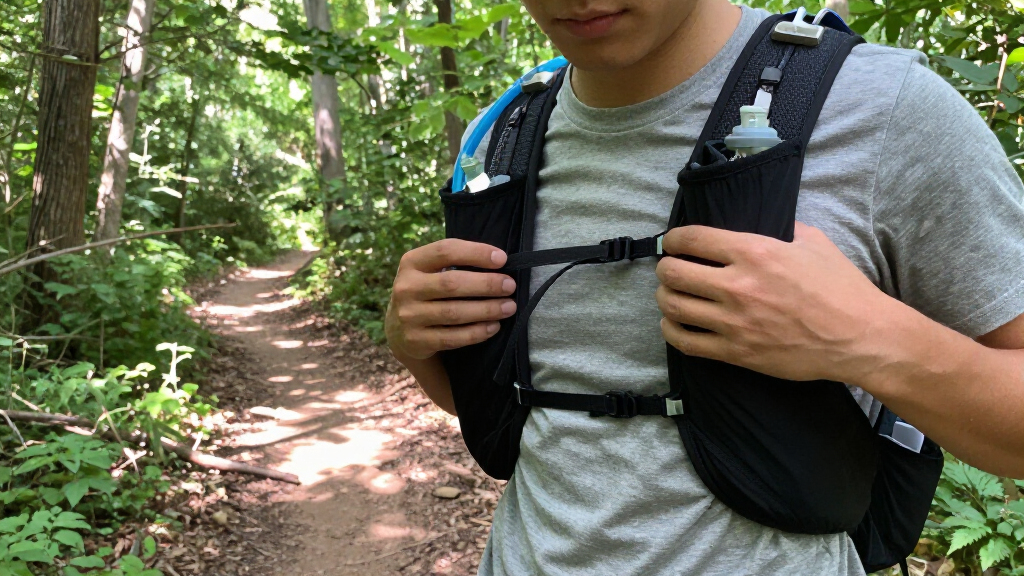
My ranking leans on five buyer-facing criteria. Comfort under load came first: a hydration pack fails if the shoulder straps dig in once the bladder is full and the cargo pocket is loaded, so I favored packs with sternum straps, ventilated back panels, and load distribution that holds up on long days. Bladder quality was the second filter — leak-prone caps, hard-to-dry interiors, and hoses that taint water with plastic taste are the most common complaints in this category, and a great pack with a bad bladder is a bad purchase. Cargo capacity and organization separated day-hike packs from vest-style and minimalist options, since hiking (unlike running) usually demands layers, snacks, and safety gear alongside the water.
From there, I weighed durability and weather protection — zippers, fabric denier, and extras like rain covers — and finally value, judging whether each pack’s price reflected real advantages or just marketing. This is why the order skews toward packs with proven reservoir designs and sensible capacity over cheaper lookalikes, and why duplicates in the Teton lineup were consolidated into distinct roles rather than padding the list.
Factors to Consider When Choosing Hiking Hydration Packs
Before locking in a pick, it helps to understand the patterns I saw across all 15 packs — the same mistakes and tradeoffs came up again and again, and knowing them will save you money regardless of which model you choose.Bladder Capacity: More Isn’t Always Better
The marketing push toward 3L bladders ignores a basic math problem: three liters of water adds roughly 6.6 pounds to your back before you carry anything else. Most hikers drink 500ml to a liter per hour in moderate conditions, meaning a 2L bladder covers a typical 3-5 hour day hike with margin to spare. A 3L reservoir only earns its bulk on hot-weather routes, desert terrain, or trails where refilling is impossible. One advantage of the standalone reservoir option in this lineup: if you already own a pack you like, upgrading its bladder is cheaper and lighter than buying a whole new system. A common mistake I saw repeated in buyer feedback is buying maximum capacity ‘just in case’ and then leaving the pack at home because it’s heavy and uncomfortable. Match the bladder to your actual hike length, not your worst-case scenario.
Cargo Volume: Match the Pack to the Trip
Hydration packs in this roundup range from barely-there running vests to 22L haulers, and picking wrong in either direction ruins the day. Sub-10L packs suit fast, short outings where water and a jacket are all you need, but they force awkward choices once you add a first aid kit, rain layers, or trekking poles. The 18L-22L tier — where the Water Buffalo Sherpa and Teton Oasis sit — is the sweet spot for most hikers because it holds the ten essentials without feeling like a backpacking rig. Watch how packs divide their space too: a single cavernous pocket makes small items vanish, while segmented sleeves and stretch side pockets keep snacks and maps reachable without stopping. If you hike year-round, size for winter, when extra layers and shorter days demand more storage — a summer-only fit becomes a limitation by October.
Bladder Quality Is the Real Purchase
The pack fabric rarely fails first — the bladder does, and replacing a leaky reservoir costs $20 to $35, which quietly erases the savings on a cheap pack. Look for wide-mouth openings that fit a hand and a brush for cleaning, quick-disconnect hoses that let you refill without threading the tube back through the pack, and slide-top seals that are easier to check for closure than screw caps. TPU material (as in the MARCHWAY) resists odors and plastic taste better than standard PE film, a difference you’ll notice by the third hike. The cheapest packs in this comparison frequently work fine as bags but ship with bladders reviewers describe as leaky or tasting like plastic — treat those as a bag purchase with a disposable reservoir. Drying matters as much as cleaning: an improperly dried bladder grows mold within days, and narrow-mouth designs are nearly impossible to dry properly. Budget for a name-brand replacement reservoir if your pack arrives with a flimsy one.
Fit and Torso Adjustability
Hydration packs sit close to your spine, so fit problems amplify with every mile — more than any other gear category here, a bad fit makes a good spec sheet irrelevant. Sternum straps and adjustable shoulder harnesses matter more than padded straps alone, because they let you dial the load against your back and stop the sloshing-bounce cycle that plagues loose packs. Women and shorter-torsoed hikers should prioritize packs with multiple adjustment points or vest-style designs like the Zelvot, which distributes weight across the chest instead of hanging it off the shoulders. One-size-fits-all packs are the most common fit failure in this category, especially at budget prices. A quick in-home test: load the bladder fully, then walk briskly up stairs — if the pack swings or the straps need constant re-tightening, return it before a trail reveals the problem ten miles in.
Weather Protection and Durability Tradeoffs
Rain is the underrated variable in this category. Water inside the bladder is the plan; water soaking your spare layers through a lightweight pack is not. Teton’s sewn-in rain cover was a genuine differentiator in this lineup because it deploys in seconds and doesn’t compete with cargo space, while most competitors leave you buying a separate cover or a dry bag. Fabric weight tells you a lot: ultralight packs in the Maelstrom and generic tier trade ripstop thinness for low weight, which is fine on maintained trails but risky against rock scramble abrasion. Zipper quality is another quiet separator — a burst zipper on a fully loaded pack ends a hike, and it’s the most common long-term failure reported on budget models. Pay more for durability only if you hike weekly or tackle rough terrain; occasional fair-weather hikers can safely take the lightweight option.
Price Tiers and When to Pay More
This category clusters into three clear price bands, and knowing which one you belong in prevents overspending. Under $35 buys a functional starter system — fine for trying hiking, but expect a mediocre bladder and shorter lifespan. The $35-$70 mid-range, where Teton, Noola, Unigear, and NEVO RHINO compete, is where the best value lives: better harnesses, replaceable-quality bladders, and features like rain covers and Molle webbing. Above that, you’re paying for specialized designs — tactical construction, vest ergonomics, or premium materials — that only matter if you hike often or push hard. The mistake I see most often is a beginner buying a premium tactical pack for occasional flat trail walks, then resenting the weight. Conversely, a frequent hiker who cheap-skis on a $25 pack usually ends up buying twice within a year. Buy one tier up from your current commitment level, no further.
Frequently Asked Questions
Is a 2L or 3L bladder better for day hiking?
For most day hikes of two to five hours, a 2L bladder is the better choice because it saves over a pound and a half of weight compared to a full 3L reservoir, and the pack sits flatter against your back. A 3L bladder earns its place when temperatures exceed 80°F, when the route has no reliable water sources, or when you’re sharing with a dog or hiking partner. Packs like the Noola, NEVO RHINO, and MARCHWAY ship with 3L bladders, but most can be underfilled to 2L without issues. The real mistake isn’t the size you choose — it’s not matching capacity to your route’s refill options. Check whether your trail has streams or faucets before assuming you need maximum capacity.
Can I replace the bladder that comes with a budget pack?
Yes, and honestly this is often the smart move — the standalone reservoir option in this roundup exists precisely for that purpose. Most budget hydration packs use a standard reservoir cavity, so a name-brand 2L or 3L bladder with a quick-disconnect hose will drop right in. If you bought a $25 pack and the bladder leaks, tastes like plastic, or won’t dry properly, replacing it for $20-$30 gives you a better system than the original at a total cost still below a premium pack. Check the hose routing grommet size before buying, since a few packs have non-standard openings. Just confirm the pack’s bladder sleeve dimensions first — a 3L reservoir won’t fit sleeves designed strictly for 2L.
What’s the difference between a hydration pack and a running vest like the Zelvot?
The difference comes down to weight distribution and cargo philosophy. A running vest like the Zelvot wraps snugly across your chest with front pockets, eliminating bounce entirely — ideal for running, fastpacking, or aggressive day hikes at speed. But that snug design sacrifices cargo volume, typically leaving room for little more than the bladder, a layer, and small items. A traditional backpack-style hydration pack like the Water Buffalo Sherpa or Teton Oasis carries more, handles awkward loads better, and ventilates your back more effectively on slow, steep climbs. If you power-hike rather than run, or you carry camera gear, layers, and lunch, the backpack style wins. Reserve vest-style packs for high-cadence activities where stability outweighs storage.
Why do the Teton Oasis and Trailrunner appear in different versions, and which should I pick?
Teton’s hydration line shares a harness design across versions that differ in size and features, which is why the listings overlap so much in this roundup. The Oasis models come with the sewn-in rain cover, making them the pick for hikers in changeable mountain weather, while Trailrunner-branded versions skip that feature for a slightly lighter build aimed at runners and cyclists. Sizing matters more than branding: the 18L suits shorter torso hikers and fast outings, while the 22L fits bigger loads and longer days. If you hike in climates where afternoon rain is common, pay the small premium for the rain cover version — a separate cover costs more and is easy to forget at home. Runners on dry trails can save the difference with the Trailrunner.
How do I keep a hydration bladder from growing mold between hikes?
Mold is the number one reason bladders get thrown away, and it’s entirely preventable with a two-minute routine. After every hike, empty the reservoir, then prop it open with a utensil or specialized drying hanger so air circulates — a closed, damp bladder can grow visible mold within 48 hours in a warm car or closet. Run the drinking tube and bite valve under warm water, and scrub the interior weekly with a long bottle brush and a dilute baking soda solution, which also kills plastic taste. Freezing the empty, dry bladder is a folk remedy that works for killing residual bacteria but can crack cheap weld seams on budget reservoirs. Wide-mouth and slide-seal designs like those on the better packs here dry in hours; narrow screw-cap bladders may never fully dry, which is a legitimate reason to upgrade.
Conclusion
Choosing among these 15 hiking hydration packs comes down to matching the design to how you actually hike. For the best overall, the Water Buffalo Sherpa 22L balances cargo, comfort, and bladder quality better than anything else in the lineup. The best value belongs to the Teton Oasis with its rain cover and dual sizing — it out-features packs costing twice as much. True budget and beginner hikers are well served by the Maelstrom lightweight pack or MIYCOO, which deliver the core hydration experience for around $30, ideally paired with a better replacement bladder down the road. The premium/specialty picks split by use: the MARCHWAY Tactical Molle for durability-minded hikers who want modular storage, the Noola or NEVO RHINO with 3L bladders for hot climates and long waterless routes, the Zelvot vest for runners, and the standalone reservoir for anyone upgrading a pack they already love. Whatever you pick, size the bladder to your route, test the fit fully loaded, and start a bladder-drying habit on day one — do that, and any of these packs will keep you hydrated for seasons.