TL;DR
The American College of Sports Medicine’s 2027 Worldwide Fitness Trends report ranks wearable technology No. 1 for the 10th time since the category entered the survey in 2016. Mobile exercise apps rose to No. 2, balance, flow and core strength reached No. 3, and group fitness climbed six places to No. 7.
The American College of Sports Medicine has ranked wearable technology No. 1 in its 2027 Worldwide Fitness Trends report, extending the category’s recurring lead as mobile exercise apps and Pilates-related training gain ground. The annual ranking reflects what fitness professionals expect to influence the industry in the coming year, not a direct count of consumers’ exercise choices.
Mobile exercise apps moved from fourth place to No. 2, and balance, flow and core strength rose from fifth to third. That category includes Pilates, yoga, barre and mobility-focused exercise. The report points to continued interest in app-based options as well as workouts aimed at balance, flexibility, movement control and functional performance.
Group fitness classes made one of the largest upward moves, advancing six positions from No. 13 to No. 7. Traditional strength training rose two places to No. 5, while programs for older adults remained in the top five for a fifth consecutive year. Data-driven training technology held at No. 8, and exercise for weight management ranked No. 6.
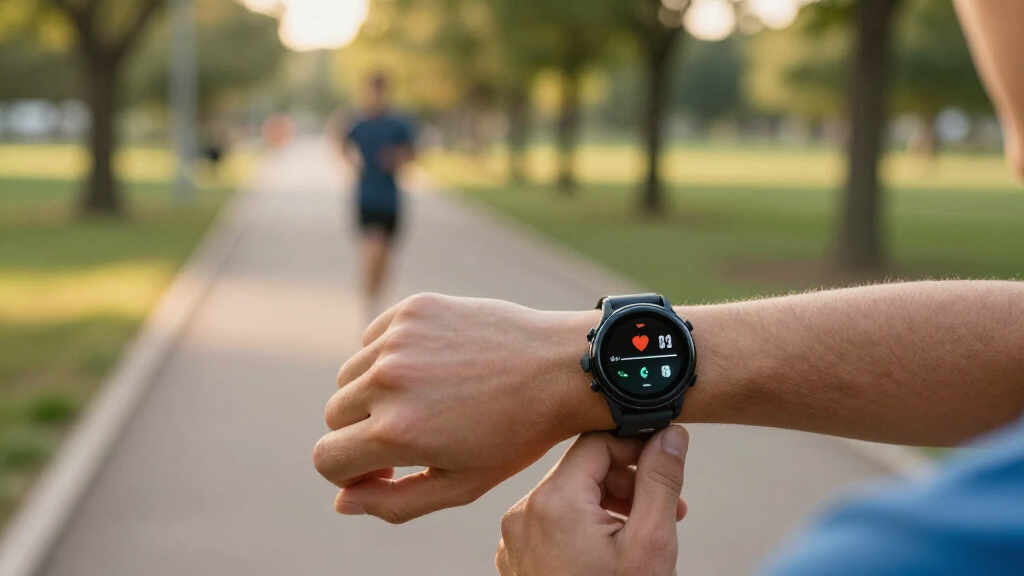
Wearables include smartwatches, fitness trackers and other devices that track measures such as activity, heart rate, sleep and recovery. ACSM said wearables were the only trend to place in the top three across every professional role, work setting and experience category it examined. The report does not establish that every user relies on those devices or that tracking alone improves health outcomes.
Apps and Classes Gain Ground
The ranking brings together two prominent directions in fitness: technology-enabled exercise and activities built around movement skills or shared participation. Wearables and mobile apps can support tracking and workouts outside a gym, while Pilates-related formats and group classes point to continued interest in instruction, movement quality and exercising with others.
For gyms, studios and trainers, the shifts may inform programming and investment decisions. ACSM’s report describes opportunities in areas such as specialized classes, older-adult programs and technology-supported training. But these are professional expectations about industry trends, not proof of demand at every business or evidence that a particular format produces better results.
The rise in group fitness also matters because a class can offer structure and social interaction alongside exercise. ACSM Trends Workgroup member Rachelle Reed said social support, accountability and enjoyment can help people maintain exercise habits. That is an attributed explanation for the trend’s appeal, rather than a finding that the survey itself measured long-term participation.
How ACSM Builds Its Rankings
The report is the 21st annual edition of ACSM’s Worldwide Fitness Trends survey, published in the organization’s Health & Fitness Journal. It identifies trends that fitness professionals expect to have the greatest influence on the industry in the next year. Its rankings therefore offer a view of professional expectations, rather than a census of all consumer behavior or a guarantee of what will happen.
Wearable technology has ranked No. 1 10 times since the category debuted in 2016. The 2027 report also places exercise programming for older adults in the top five for the fifth consecutive year. These longer-running placements provide context for this year’s changes: wearable technology remains prominent, while apps, movement-focused formats and group exercise are gaining relative positions.
Lead author Cayla McAvoy, who chairs ACSM’s Trends Workgroup, said the rankings reflect technology’s influence as well as the value of shared experiences and programs tailored to different life stages. The report includes both established categories, such as strength training, and newer or evolving approaches, including data-driven training technology.
“Technology continues to shape how people approach fitness, but this year’s rankings also highlight the value of shared experiences and programs that fit different stages of life.”
— Cayla McAvoy, report lead author and chair of ACSM’s Trends Workgroup
What the Rankings Cannot Show
The supplied report summary does not give the survey’s sample size, respondent breakdown, field dates or the detailed scoring method. It is therefore not possible from the available information to assess how representative the responses are or how large the differences between adjacent rankings may be.
The rankings also do not measure actual participation, sales, health outcomes or whether a trend will continue through 2027. A higher position means fitness professionals placed a category higher in this survey; it does not prove that more people are using it or that it is more effective. The report describes the weight-management trend alongside growing use of GLP-1 and other obesity medications, but the supplied material does not quantify medication use or its effect on exercise behavior.
How the Industry Responds
The report’s next practical test will be whether gyms, studios and fitness professionals expand offerings in line with the categories that rose, particularly mobile-app training, Pilates and related formats, and group classes. The source material identifies these areas as relevant to operators and trainers, but does not announce specific launches, investments or timelines.
ACSM’s ranking is intended to look ahead to the coming year. Actual participation and business decisions will show whether the forecasted trends gain traction in practice. Readers should treat the list as a snapshot of professional expectations, with more details about survey methods needed to judge how broadly its findings apply.
Key Questions
What is ACSM’s No. 1 fitness trend for 2027?
Wearable technology ranks No. 1 in ACSM’s 2027 Worldwide Fitness Trends report. The category has ranked first 10 times since it entered the survey in 2016.
Which fitness trends rose the most in the 2027 rankings?
Group fitness classes climbed six places, from No. 13 to No. 7. Mobile exercise apps rose from fourth to second, and balance, flow and core strength moved from fifth to third.
Does the ranking show what consumers are actually doing?
Not directly. ACSM describes the list as a survey of trends fitness professionals expect to influence the industry in the coming year. It is not a direct measure of consumer participation or health outcomes.
What does ACSM include in balance, flow and core strength?
The category covers Pilates, yoga, barre and mobility-focused exercise, as well as training aimed at balance, flexibility, movement control and functional performance.
Source: rss