
TL;DR
A seasonal wellness list titled “10 Fall Fruits and Vegetables Nutrition Experts Love” is drawing attention as autumn produce hits markets. The list’s specific contents and sources are unconfirmed; what’s verified is the spike in interest itself.
A seasonal wellness feature titled “10 Fall Fruits and Vegetables Nutrition Experts Love” is generating renewed reader interest as autumn produce reaches supermarket shelves and farmers markets across the country. The article, distributed through a wellness content feed, reflects a recurring annual pattern: when temperatures drop, attention shifts to cold-weather crops such as squash, apples, root vegetables and leafy greens. The specific ten items named in the list, and the nutrition experts cited within it, have not been independently verified.
What is confirmed at this stage is the trend itself. Content aggregators and search interest around seasonal fall produce consistently rise in September through November each year, and this particular list — tagged under wellness categories and circulated via RSS feeds — is part of that seasonal cycle. Lists of this kind typically highlight produce that is harvested in autumn in North America, a category that long-established agricultural knowledge places squarely in the fall harvest window.
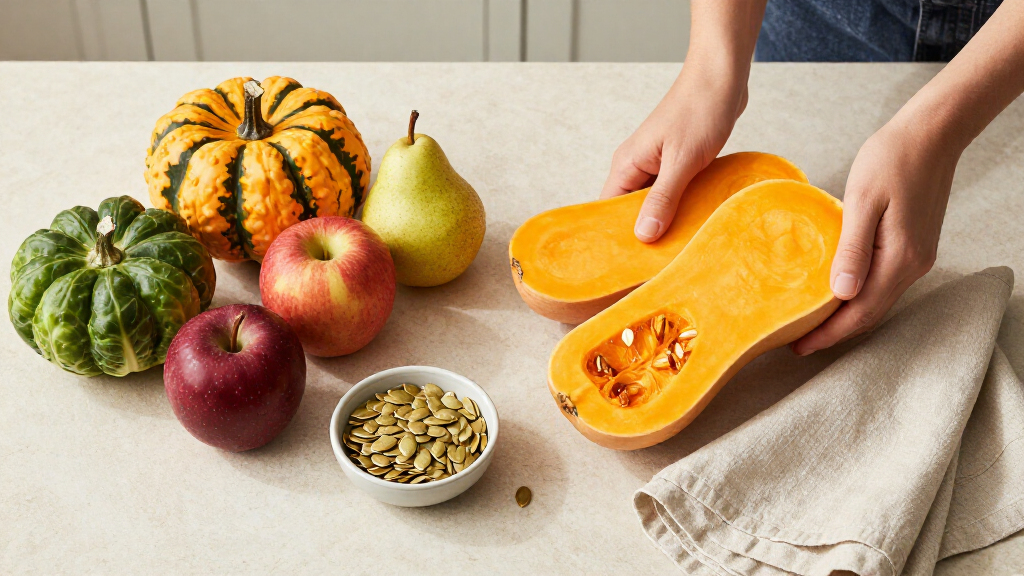
It is long-established fact, not speculation, that fall-harvest crops in temperate regions include winter squash, pumpkins, sweet potatoes, apples, pears, cranberries, Brussels sprouts, kale, beets and carrots. These items are dietary staples of the season, and their nutritional profiles are well documented: winter squash and sweet potatoes are widely recognized sources of beta-carotene, while dark leafy greens such as kale supply vitamin K, vitamin A and several minerals. Whether all ten of these specific items appear on the list in question, however, has not been verified from the available material.
The list’s framing — “nutrition experts love” — is an editorial claim rather than a verifiable survey finding. No named dietitians, peer-reviewed studies or professional organizations are identifiable in the available metadata, so the endorsement should be read as a content-marketing angle rather than a formal expert consensus, unless the full article names its sources.
Why Seasonal Produce Lists Matter to Shoppers
Seasonal produce guides carry practical weight for household budgets and nutrition alike. Produce purchased in season is generally more abundant, fresher and less expensive than out-of-season imports, a dynamic familiar to any grocery shopper comparing August tomato prices with January ones. For readers trying to increase fruit and vegetable intake — a goal public health bodies including the CDC repeatedly encourage — seasonal lists offer a low-friction prompt to vary their shopping.
The annual surge in these articles also reflects how wellness content works: publishers know search behavior shifts with the seasons, and expert-framed listicles are a proven format for capturing that traffic. Readers benefit most when they treat such lists as a starting point and check whether the cited experts are actually named.
The Annual Autumn Harvest Content Cycle
Interest in fall produce content follows a predictable annual rhythm. As daylight shortens and growing regions shift from summer crops to cool-weather varieties, food media, nutrition blogs and grocery retailers publish seasonal guides. This has been a stable publishing pattern for years, driven both by genuine harvest timing and by consumer planning for holidays such as Thanksgiving in the United States, where squash, cranberries and root vegetables feature heavily.
Long-established nutrition guidance supports the underlying premise: diets rich in a variety of fruits and vegetables are associated in extensive research with better health outcomes, and eating seasonally is one commonly suggested way to maintain that variety. The list now circulating fits into this well-worn seasonal tradition rather than representing a new development in nutrition science.
What the List Actually Contains Is Unverified
The trigger for the current interest spike is unconfirmed. It is not clear whether the circulation reflects a single high-traffic publisher, a syndication push, or ordinary seasonal search behavior. The full text of the list — which ten fruits and vegetables it names, and which nutrition experts, if any, are quoted — has not been verified from the available metadata. The “nutrition experts” framing may refer to named dietitians, to a summary of general professional opinion, or to no specific sources at all; readers should not assume formal expert endorsement without seeing the original article.
How to Evaluate Seasonal Nutrition Lists
Readers who encounter the list can apply a short checklist: confirm whether named, credentialed experts such as registered dietitians are actually cited; cross-check any specific health claims against established sources like the CDC, the USDA or a national dietary guidelines publication; and treat unnamed expert consensus with caution. As the season progresses, expect the usual wave of Thanksgiving-adjacent produce content — pumpkin, cranberry and root-vegetable recipes typically dominate from late October onward. No further verified developments tied to this specific article are anticipated unless its full contents or authorship become publicly available.
Key Questions
What is the actual news here?
The confirmed development is a spike in interest around a wellness list titled “10 Fall Fruits and Vegetables Nutrition Experts Love.” The list’s specific contents and cited experts have not been verified; only the trend signal is confirmed.
Which fall fruits and vegetables are most commonly recommended?
Long-established autumn harvest crops include winter squash, sweet potatoes, apples, pears, cranberries, Brussels sprouts, kale, beets and carrots. Whether these exact items appear on the list in question is unconfirmed.
Is the “nutrition experts” claim verified?
No. The available material does not name any experts, dietitians or studies. The framing should be treated as editorial until the original article identifies its sources.
Why does seasonal produce interest spike in fall?
Harvest timing, holiday meal planning and predictable seasonal search behavior all drive annual peaks in fall produce content from September through November.
Are seasonal fruits and vegetables actually healthier?
Seasonal produce is typically fresher and more affordable, which can help people eat more variety. The core health benefit comes from overall fruit and vegetable intake, a point long supported by public health guidance — not from seasonality itself.
Source: rss